
Ubuntu has released an experimental Steam snap for arm64 architecture, bundling AMD64 Steam with FEX emulation to dramatically improve game performance on Linux Arm devices like handheld PCs.

For Linux gamers using Arm-based devices like handheld PCs, Steam support has historically been limited and underperforming. Ubuntu's latest experimental initiative changes this landscape significantly with a new Steam snap package specifically designed for arm64 architecture.
The solution cleverly bundles the standard AMD64 version of Steam with FEX emulation technology, creating a compatibility layer that translates x86 instructions to Arm. This approach bypasses previous performance bottlenecks that plagued gaming on Arm devices.
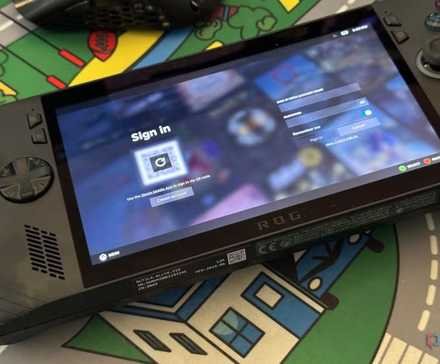
Early benchmark results show dramatic improvements. Testers report titles like Cyberpunk 2077 achieving over 200 FPS when leveraging DLSS technology on devices like the DGX Spark handheld—performance previously unattainable on Arm hardware. While still in beta, these results indicate transformative potential for Linux gaming on portable Arm devices.
Key Implementation Details
- Architecture: Bundles AMD64 Steam client with FEX-Emu translation layer
- Status: Experimental/beta (not an official Valve project)
- Requirements: Clean Steam installation (remove existing Steam clients first)
- Installation:
sudo snap install --candidate steam - Reporting: Bugs should be reported to Ubuntu's snap developers, not Valve

This release addresses a critical gap in Linux gaming. While Valve's Steam Deck uses x86 architecture, the growing ecosystem of Arm-based handhelds like those using Qualcomm Snapdragon X Elite chipsets requires native solutions. The FEX-based approach demonstrates how intelligent translation layers can bridge architectural divides without requiring game developers to recompile titles.
Ubuntu explicitly states this is a community-driven test release and encourages users to report issues through their Discourse channel. The timing coincides with increased interest in Linux handhelds, making this an optimal moment for performance testing across popular titles available during events like Steam sales.
For developers, this demonstrates how emulation layers can extend software compatibility across architectures—a technique potentially applicable to other cross-platform tools. As Arm devices gain market share in mobile computing, such solutions become increasingly valuable for maintaining software ecosystems.
Installation requires terminal access and willingness to troubleshoot beta software, but represents the most promising development yet for serious gaming on Linux Arm devices.
Comments
Please log in or register to join the discussion