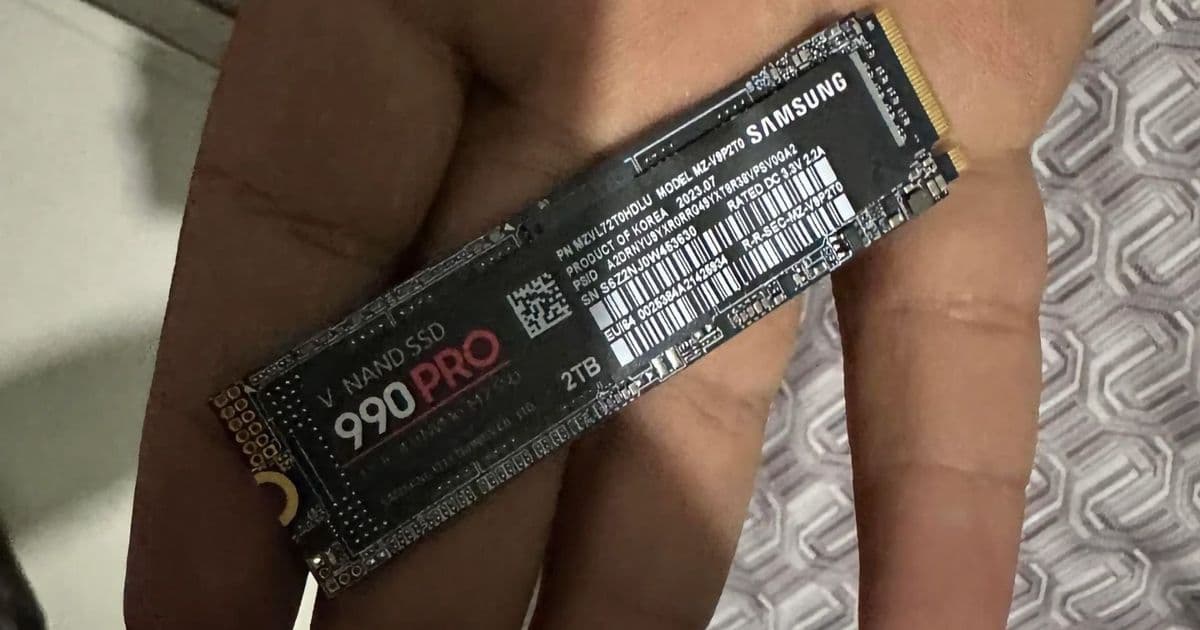
A counterfeit Samsung 990 Pro SSD passed Windows and CrystalDiskInfo verification but ran at USB 2.0 speeds, highlighting sophisticated counterfeiting during NAND shortages.
A counterfeit Samsung 990 Pro SSD has exposed the growing sophistication of fake storage devices, with one Redditor discovering their "brand new" 2TB drive from a local Indian distributor performed slower than a USB 2.0 flash drive despite passing multiple authenticity checks.
The Perfect Storm for Counterfeiters
The global NAND shortage has created ideal conditions for SSD counterfeiting operations. With genuine high-performance drives like the Samsung 990 Pro commanding premium prices—still retailing around $299.99 despite launching three years ago at $309.99—consumers are increasingly tempted by deals that appear too good to refuse.
The victim in this case purchased what they believed was a legitimate Samsung 990 Pro 2TB for approximately $205, representing a 32% discount below current street prices. This pricing discrepancy should have been the first warning sign, as even during the shortage, such deep discounts on premium PCIe 4.0 drives remain virtually impossible.
Sophisticated Deception Techniques
What makes this particular counterfeit alarming is the level of detail in the deception. The drive successfully fooled multiple verification systems:
- Windows detection: Correctly identified the product name and 2TB capacity
- CrystalDiskInfo: Reported accurate model information and firmware version 0B2QJXD7 (the original firmware for genuine 990 Pro drives)
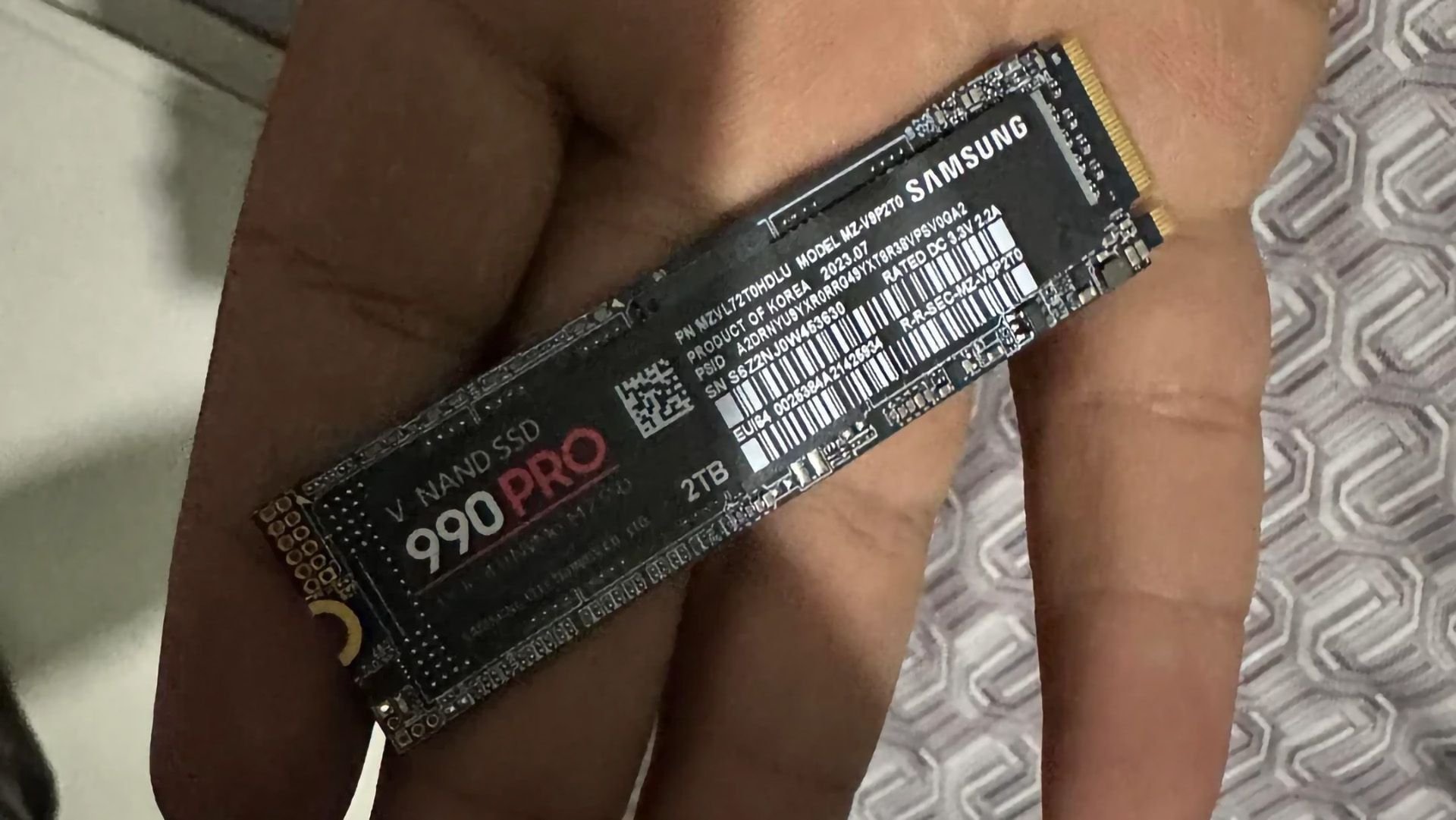
- Physical appearance: Label featured flawless text and logo design with no visible misalignments or print quality issues
The counterfeiters went beyond simple label swapping, creating fake firmware that made Windows believe the drive was authentic. This represents a significant escalation from typical counterfeiting operations that rely on superficial visual deception.
Performance Reveals the Truth
CrystalDiskInfo eventually exposed the fraud by reporting the drive was operating at PCIe 3.0 speeds, despite the 990 Pro being a PCIe 4.0 device. However, the real proof came through performance testing:
- Sequential read speeds: ~20 MB/s (versus expected 7,000+ MB/s)
- Sequential write speeds: ~10 MB/s (versus expected 5,000+ MB/s)
- Comparison: Slower than USB 2.0 flash drives (theoretical maximum 60 MB/s)
CrystalDiskMark testing confirmed these abysmal numbers, revealing the drive's true nature as a low-performance counterfeit rather than a defective genuine product.
Global Counterfeiting Problem
This incident isn't isolated. Several years ago, counterfeit Samsung SSDs flooded overseas e-tailers, and the current NAND shortage has only intensified the problem. The fact that this particular fake came from a "local distributor" rather than an online marketplace demonstrates how counterfeiters have expanded their distribution networks.
Protection Strategies for Consumers
During these challenging market conditions, consumers should:
- Avoid purchases during shortages when possible, waiting for prices to normalize
- Buy only from reputable retailers with established supply chains
- Film unboxing videos to document the product's condition upon arrival
- Use manufacturer authentication software immediately after installation
- Be extremely skeptical of deep discounts on high-demand components
For Samsung drives specifically, the Samsung Magician software provides authentication capabilities that can identify counterfeit products before significant time is invested in installation and testing.
The Technical Challenge
The sophistication of this counterfeit raises questions about how such deception is possible. Creating fake firmware that responds correctly to system queries requires significant technical knowledge and resources. This suggests organized operations rather than individual scammers, potentially involving access to genuine firmware code or highly skilled reverse engineering.
The combination of desperate consumers facing inflated prices, technically sophisticated counterfeiters, and the difficulty of verifying SSD authenticity through software alone creates a perfect environment for fraud to flourish.
As SSD prices remain elevated due to ongoing component shortages, consumers must exercise extreme caution and prioritize purchasing from verified sources over chasing seemingly attractive deals that may ultimately deliver performance worse than decade-old USB flash drives.
Comments
Please log in or register to join the discussion