
Federal agents searched the home and devices of a Washington Post journalist as part of an ongoing investigation into classified document leaks, raising fresh concerns about press freedom and government surveillance of news sources.
The FBI executed a search warrant at the Washington residence of a Post reporter and seized electronic devices, marking a significant escalation in the Justice Department's pursuit of leak prosecutions. The operation, which occurred in recent weeks, targeted the journalist's personal equipment as investigators seek to identify sources behind published stories about classified intelligence.
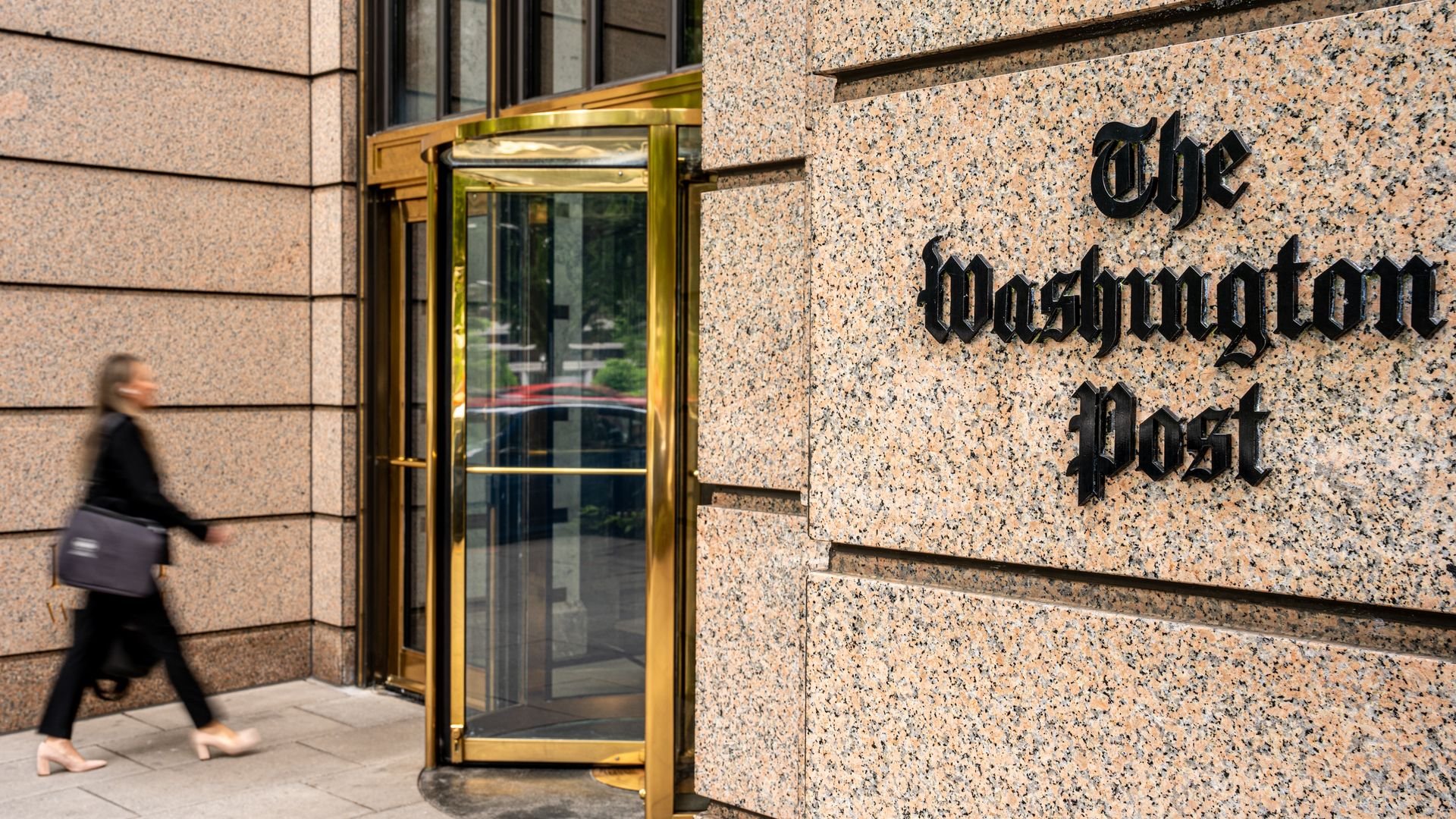
This development represents the latest in a series of aggressive leak investigations that have spanned multiple administrations. The Justice Department traditionally maintains strict protocols for reviewing newsgathering activities, requiring high-level approval before targeting journalists. However, the Trump and Biden administrations have both pursued leak cases aggressively, with the number of prosecutions for unauthorized disclosures reaching unprecedented levels.
Financially, these investigations carry substantial costs for news organizations beyond the immediate legal challenges. The Washington Post, owned by Jeff Bezos, has invested heavily in legal defense resources, with annual press freedom litigation budgets at major outlets now routinely exceeding $2-3 million. More significantly, the chilling effect on source relationships can undermine a publication's competitive position in breaking news, particularly in Washington's tight-knit policy reporting community where access to insider information drives audience growth and advertising revenue.
The search raises constitutional questions about the First Amendment's protection of newsgathering. Courts have historically granted journalists broad shield against revealing sources, though these protections vary by state and federal law remains unsettled. The Post reporter has not been charged, and the investigation appears focused on identifying the leaker rather than prosecuting the journalist directly.
For the media industry, this case reinforces the importance of secure communication channels and encrypted source management. Newsrooms have increasingly adopted tools like SecureDrop and Signal, with the Washington Post reportedly investing in enhanced digital security infrastructure following previous leak investigations. The financial implications extend beyond legal fees—reputational damage and source hesitancy can impact investigative journalism output, which directly correlates with subscriber retention and premium content strategies.
The investigation's outcome will likely influence how major publications handle classified information and source protection going forward, potentially affecting the economics of investigative journalism at a time when news organizations are already navigating declining print revenue and digital subscription plateaus.
Comments
Please log in or register to join the discussion