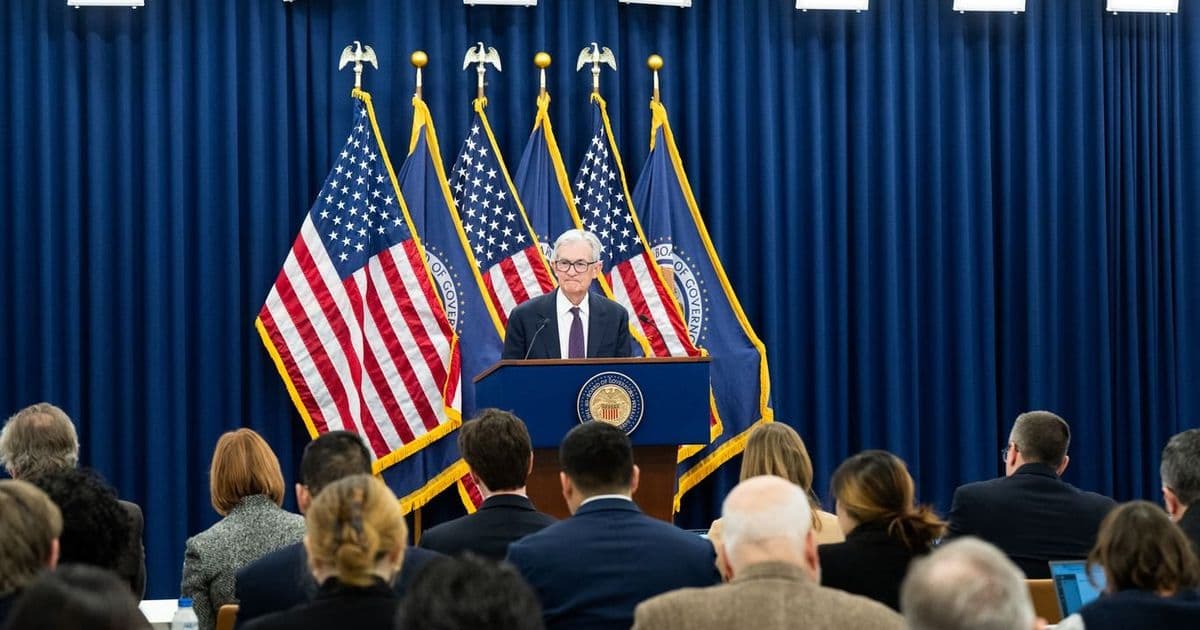
Federal Reserve officials show significant disagreement on interest rate policy, with growing concerns about both persistent inflation and economic risks from prolonged high rates.
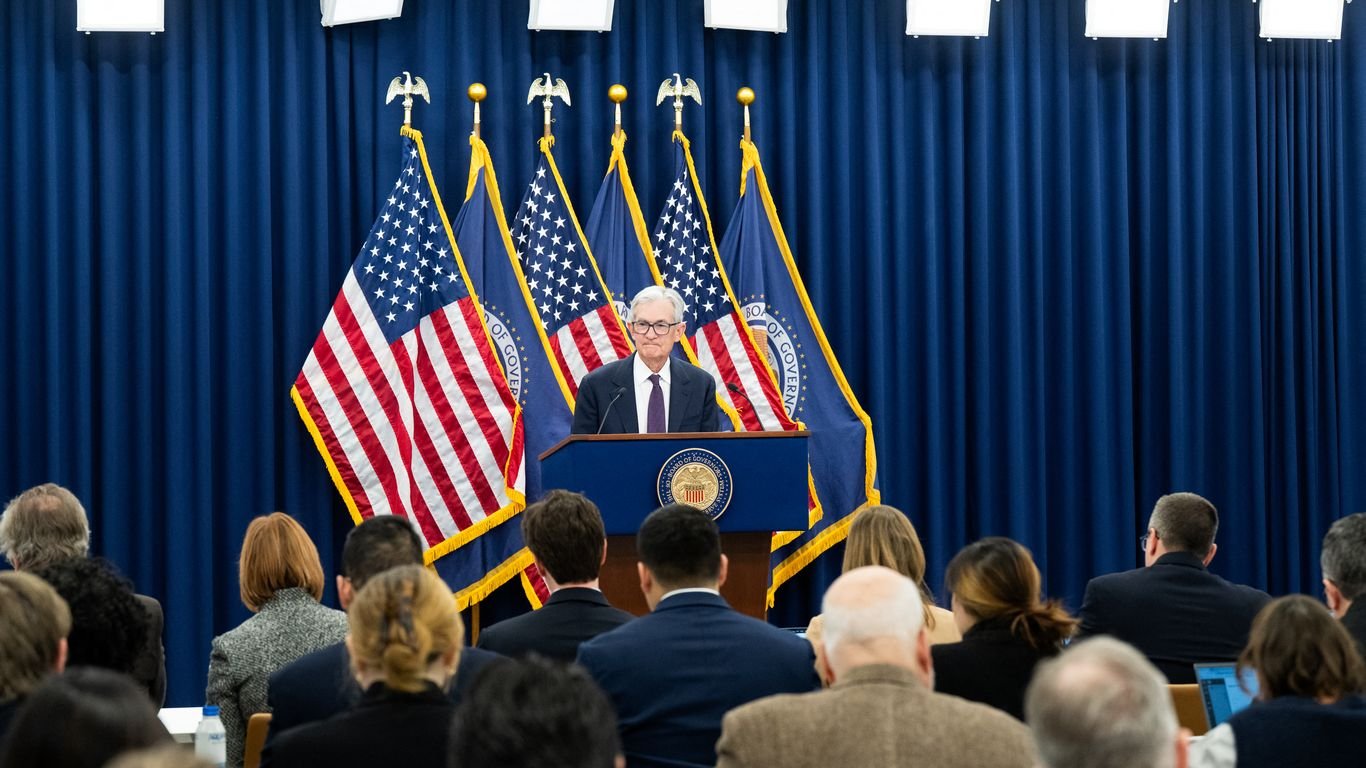
The latest Federal Reserve meeting minutes reveal a central bank grappling with conflicting economic signals, as policymakers express diverging views on the urgency of interest rate cuts. While inflation remains above the Fed's 2% target, some officials are increasingly concerned about the potential for overtightening to derail economic growth.
According to the minutes released Wednesday, "several" participants pointed to risks of keeping rates too high for too long, potentially leading to a sharp economic slowdown. However, "a number" of officials continued to highlight the dangers of premature easing, citing inflation that has proven more stubborn than expected. This split among Fed officials has widened since their previous meeting.
The divide comes amid mixed economic data. The core Personal Consumption Expenditures (PCE) price index, the Fed's preferred inflation gauge, rose 2.8% in March from a year earlier — still significantly above target despite recent cooling. Meanwhile, economic growth slowed to a 1.6% annual rate in the first quarter, down from 3.4% in the fourth quarter of 2023.
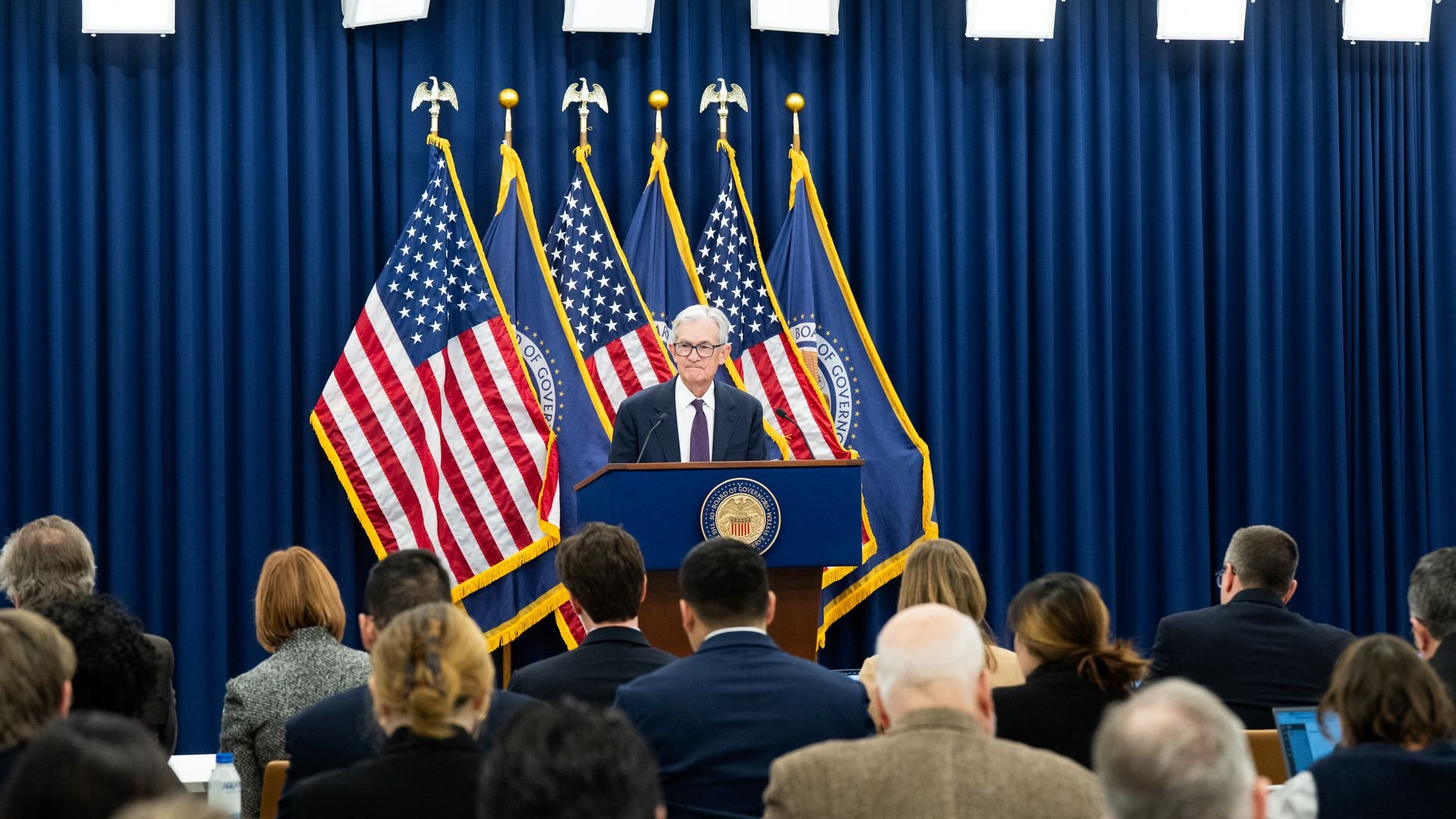
Fed Chair Jerome Powell, who has maintained a cautious stance, noted after the meeting that it would take "longer than previously expected" to gain sufficient confidence to cut rates. The minutes reflect Powell's view that current policy is restrictive and appropriate for the moment, but also show he faces a committee that is increasingly split on the path forward.
Financial markets have drastically scaled back rate-cut expectations this year. Futures traders now anticipate just one quarter-point cut by December, down from forecasts of six or seven cuts at the start of 2024. Treasury yields have climbed, with the 10-year note hovering near 4.6%, its highest level since November.
For the technology sector, prolonged higher rates present a double-edged sword. On one hand, elevated borrowing costs pressure highly leveraged companies and startups reliant on venture funding. According to PitchBook data, late-stage venture deals fell 30% year-over-year in Q1 as investors demanded higher returns. On the other hand, established tech giants with strong cash reserves benefit from higher yields on their cash holdings.
Strategically, the Fed's hesitation signals a prolonged period of expensive capital, which could accelerate consolidation through mergers and acquisitions as cash-rich companies acquire distressed assets. It may also force tech companies to prioritize profitability over growth, a shift already evident in recent earnings reports.
The minutes underscore that the Fed's next moves remain data-dependent, with officials pledging to carefully assess incoming figures on inflation, employment, and economic activity. Until clearer trends emerge, the internal debate over rate cuts will likely intensify.
Comments
Please log in or register to join the discussion