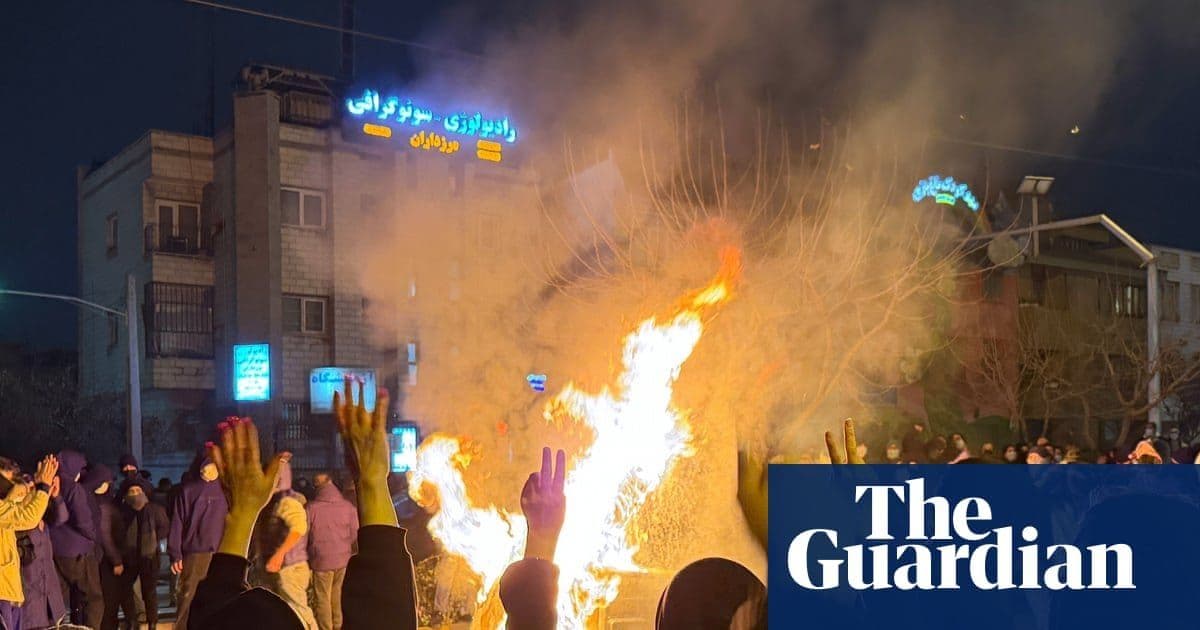
Deep cuts to US funding for global internet freedom tools jeopardize technologies that helped Iranians evade censorship during recent protests.
Critical technologies that enabled Iranian protesters to organize during the 2022-2023 anti-government demonstrations now face an uncertain future. US government funding for global internet freedom initiatives has been "effectively gutted" according to experts, with budget allocations dropping from $133 million in 2019 to just $38 million requested for 2024. This drastic reduction threatens the survival of tools that millions rely on to bypass state censorship in authoritarian regimes.
The Internet Freedom program, administered through agencies like USAID and the State Department, has historically funded open-source projects providing encrypted communication, censorship circumvention, and digital security training. Technologies like the Tor anonymity network (Tor Project), Signal encrypted messaging (Signal Foundation), and virtual private networks (VPNs) received development grants enabling them to scale operations in high-risk regions. During Iran's "Woman, Life, Freedom" protests, these tools proved vital—allowing activists to coordinate actions, document human rights abuses, and access blocked news sources despite government internet shutdowns.
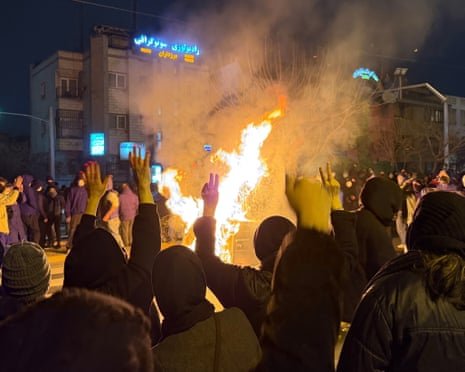
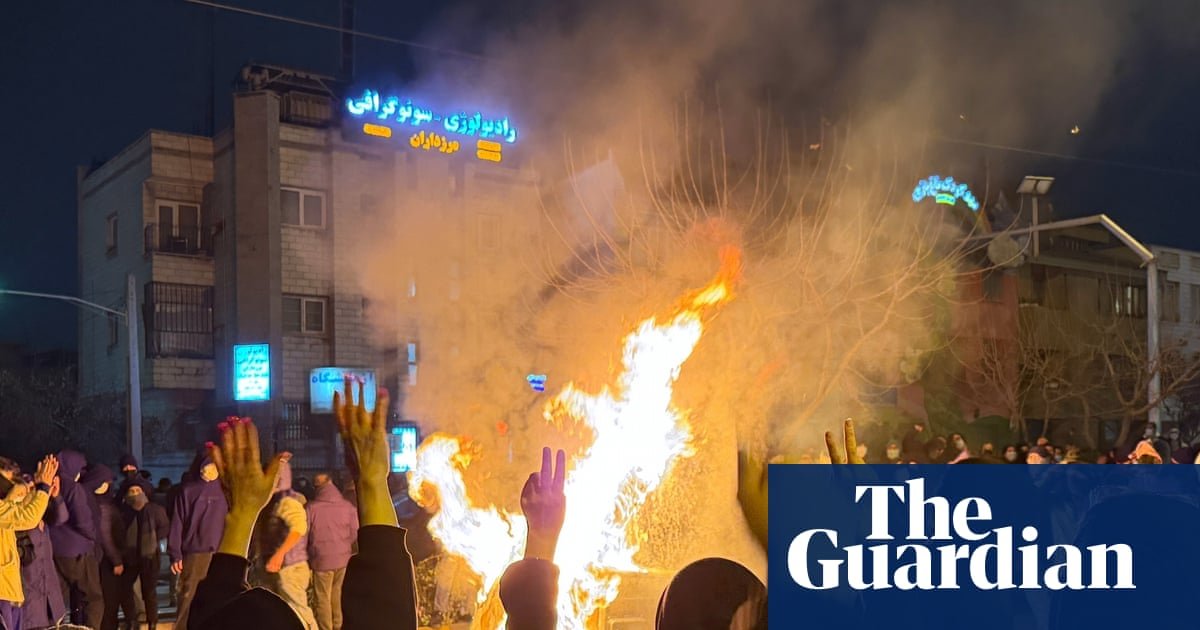
Caption: Iranians attend an anti-government protest in Tehran. Technologies funded by US internet freedom programs helped protesters coordinate during communication blackouts. Photograph: AP
Funding erosion stems from shifting US political priorities rather than technical shortcomings. Congressional appropriations committees have redirected resources toward geopolitical priorities like countering Chinese influence, leaving internet freedom programs chronically underfunded. "This isn't about effectiveness," explains a former State Department advisor who requested anonymity. "Tools like Tor saw Iranian usage spike 3,000% during protests. But when competing with headline-grabbing initiatives, circumvention tech becomes expendable."
The consequences extend beyond Iran. Projects like the Open Technology Fund (OTF), which supported Signal's Farsi-language development and VPN infrastructure in Myanmar, face grant reductions exceeding 60%. Smaller regional initiatives—such as training for Afghan journalists on secure communication—have been discontinued entirely. This creates dangerous gaps: when US-funded tools become unreliable due to lack of maintenance, users may migrate to commercial alternatives with weaker security or undisclosed data-sharing agreements.
Despite the cuts, opportunities exist for alternative funding models. European governments and philanthropic organizations like the Mozilla Foundation (Mozilla) are increasing support for censorship-resistant technologies. Decentralized approaches also show promise: blockchain-based systems like Orchid (OXT) enable peer-to-peer VPN networks without centralized funding. Yet these alternatives can't immediately replace the scale of US-backed infrastructure, leaving vulnerable users in limbo.
As geopolitical tensions rise, the funding crisis highlights a paradox: tools most crucial during democratic protests become casualties when strategic priorities shift. Without intervention, the slow dismantling of this ecosystem may leave future movements without the digital lifelines Iranian protesters relied on to make their voices heard.
Comments
Please log in or register to join the discussion