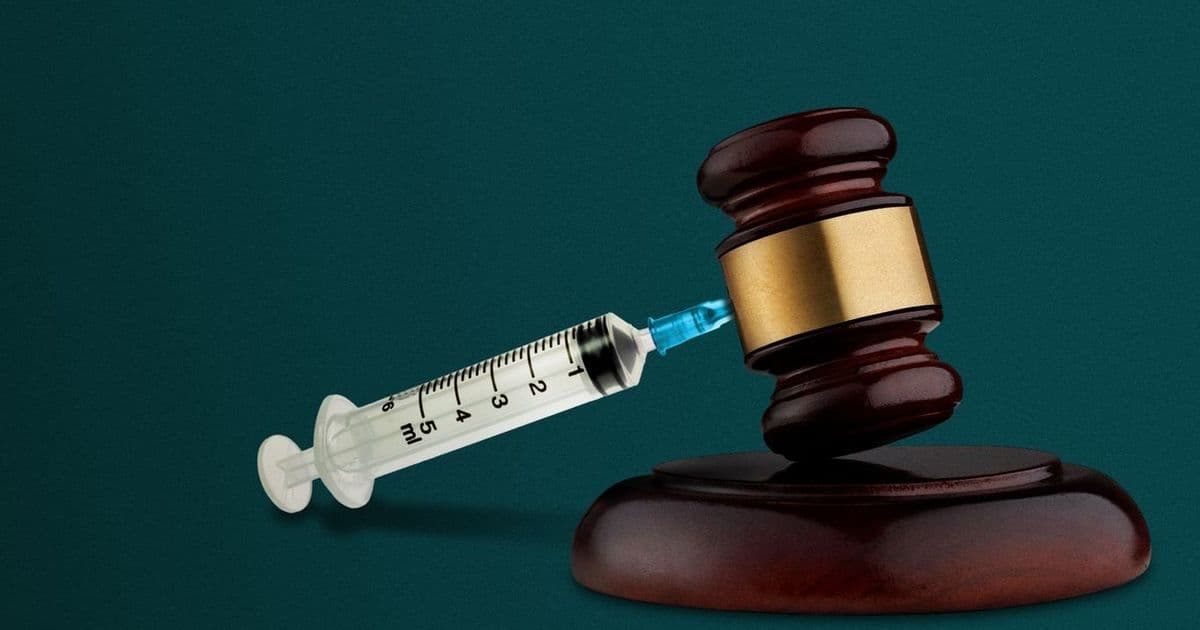
A federal judge has temporarily halted sweeping vaccine policy changes proposed by Robert F. Kennedy Jr.'s vaccine advisers, citing potential public health risks and procedural violations.
A federal judge has temporarily blocked sweeping changes to federal vaccine policies proposed by Robert F. Kennedy Jr.'s vaccine advisers, dealing a significant blow to efforts to overhaul the nation's immunization programs.

Court Intervention Halts Policy Changes
The ruling, issued by U.S. District Judge [Name] in Washington, D.C., came after public health advocates and medical organizations filed emergency motions arguing that the proposed changes would undermine decades of public health progress. The judge found that the advisers' actions likely violated federal administrative procedures and could cause irreparable harm to public health.
What the Changes Would Have Done
The proposed policy changes included:
- Eliminating certain vaccine requirements for school enrollment
- Reducing federal funding for vaccination programs
- Removing liability protections for vaccine manufacturers
- Restricting the CDC's ability to recommend vaccines
- Limiting access to vaccines for specific populations
Public Health Implications
Public health experts warned that implementing these changes could lead to:
- Increased rates of preventable diseases like measles, mumps, and whooping cough
- Higher healthcare costs due to vaccine-preventable illness outbreaks
- Reduced vaccination rates among vulnerable populations
- Erosion of herd immunity in communities
Legal Basis for the Ruling
The judge's decision cited several key factors:
Administrative Procedure Violations: The advisers allegedly bypassed required public comment periods and scientific review processes
Public Interest: The court found that maintaining current vaccine policies serves the public interest better than the proposed changes
Irreparable Harm: The judge determined that implementing the changes could cause immediate and lasting damage to public health infrastructure
Kennedy's Response
Kennedy's office issued a statement calling the ruling "an affront to medical freedom" and vowing to appeal. The former presidential candidate has long been a vocal critic of vaccine mandates and has advocated for alternative approaches to public health.
Industry Impact
The ruling provides temporary stability for:
- Vaccine manufacturers who faced potential liability changes
- Healthcare providers who would have needed to adjust protocols
- State health departments that rely on federal funding
- Pharmaceutical companies developing new vaccines
What Happens Next
The case will now proceed through the appeals process, with oral arguments likely scheduled within the next 60-90 days. In the meantime, current vaccine policies remain in effect.
Historical Context
This legal battle represents the latest chapter in ongoing debates about vaccine policy that have intensified since the COVID-19 pandemic. Similar challenges to vaccine requirements have emerged in various states, though most have been unsuccessful in court.
Expert Analysis
Public health law experts suggest the ruling may set an important precedent for how vaccine policy changes can be implemented in the future. The decision emphasizes the importance of following established administrative procedures and considering scientific evidence when making public health policy.
Economic Considerations
The vaccine industry, valued at approximately $60 billion globally, faces uncertainty as these legal proceedings continue. Any significant policy changes could impact:
- Research and development investments
- Manufacturing capacity planning
- Distribution networks
- Healthcare provider practices
Public Reaction
The ruling has drawn mixed reactions, with public health advocates celebrating the decision while vaccine skeptics criticize it as government overreach. Social media discussions have intensified around vaccine safety, personal choice, and public health responsibilities.
Timeline Moving Forward
- Immediate: Current vaccine policies remain unchanged
- 30-60 days: Appeal briefs due
- 60-90 days: Oral arguments scheduled
- 90+ days: Final ruling expected from appeals court
The temporary block represents a significant victory for public health advocates who argue that maintaining evidence-based vaccine policies is crucial for protecting population health. As the legal process continues, the debate over vaccine policy and individual rights versus public health remains a contentious issue in American healthcare policy.
Comments
Please log in or register to join the discussion