A federal judge has thrown out subpoenas targeting Federal Reserve Chair Jerome Powell, delivering a significant legal setback to the plaintiffs and reinforcing the independence of the central bank.
A federal judge has dismissed subpoenas targeting Federal Reserve Chair Jerome Powell, delivering a significant legal victory to the central bank and dealing a blow to the plaintiffs who sought to compel Powell's testimony in a case involving the Federal Reserve's emergency lending programs.
The Court's Scathing Ruling
The judge's opinion, described as "scathing" by legal observers, rejected the attempt to force Powell to testify about the Fed's actions during the COVID-19 pandemic. The ruling underscores the independence of the Federal Reserve and the limits of congressional oversight when it comes to the central bank's internal deliberations and decision-making processes.
The case centered on the Fed's emergency lending facilities established in March 2020, which provided trillions of dollars in liquidity to support the economy during the pandemic-induced market turmoil. Critics had sought Powell's testimony to examine whether the Fed's actions favored certain industries or companies over others.
Implications for Federal Reserve Independence
This ruling reinforces the Federal Reserve's autonomy from political pressure, a cornerstone of American monetary policy since the central bank's creation in 1913. The decision protects the Fed's ability to make rapid, sometimes controversial decisions during economic crises without fear of immediate political retribution.
"This is a major win for the Fed's institutional independence," said Sarah Bloom Raskin, a former Fed governor. "The court recognized that forcing the Fed chair to testify about internal deliberations would compromise the central bank's ability to act decisively in future emergencies."
Market Reaction and Economic Context
Financial markets reacted positively to the news, with stock futures rising slightly as investors viewed the ruling as reducing political uncertainty around the Fed's operations. The decision comes at a critical time as the central bank navigates inflation concerns and interest rate policy in 2024.
The ruling also highlights the ongoing tension between Congress's oversight role and the Fed's operational independence. While lawmakers can request testimony and information, the court's decision establishes clearer boundaries around compelling testimony from the Fed chair about sensitive policy deliberations.
What's Next
The plaintiffs may appeal the decision, though legal experts suggest the judge's reasoning was thorough and may be difficult to overturn. The case has already established important precedent regarding the separation of powers between the legislative and executive branches when it comes to independent agencies like the Federal Reserve.
For now, Jerome Powell and the Fed can proceed with their monetary policy agenda without the distraction of this legal challenge, focusing instead on their dual mandate of price stability and maximum employment as the economy continues its post-pandemic recovery.

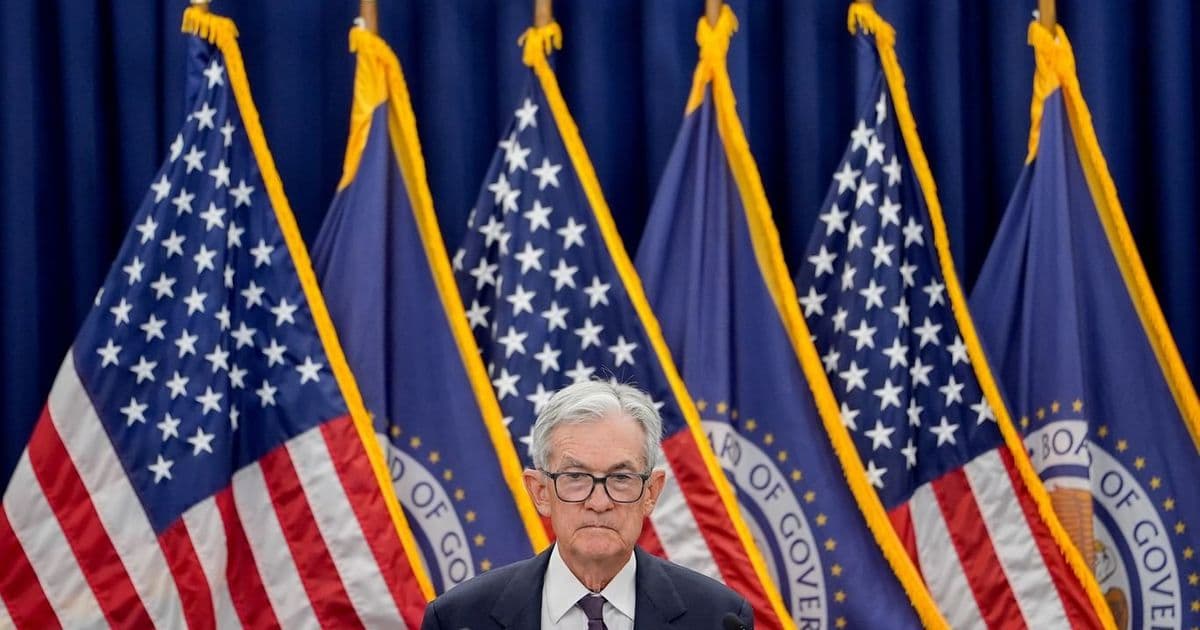
Photo: Federal Reserve Chair Jerome Powell speaks during a press conference last month in Washington, DC. (Kevin Dietsch/Getty Images)
Comments
Please log in or register to join the discussion