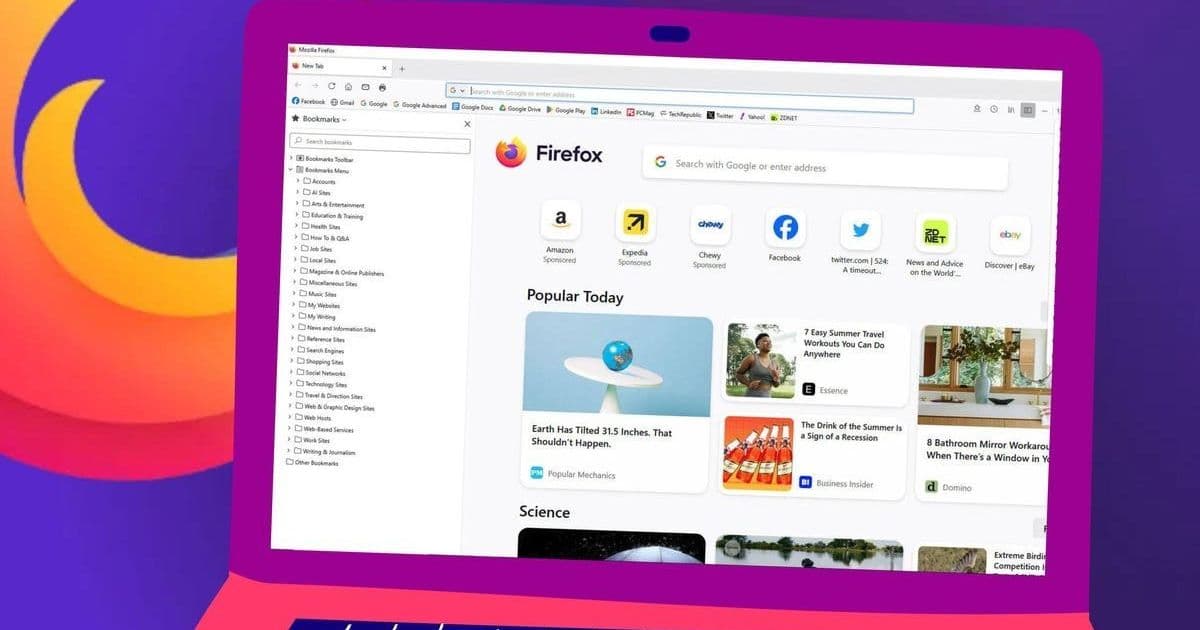
Amid Chrome's dominance and Edge's AI push, Firefox remains a powerhouse for privacy, customization, and open-source integrity. Contributor Lance Whitney details why developers and privacy-conscious users should reconsider this underdog browser.
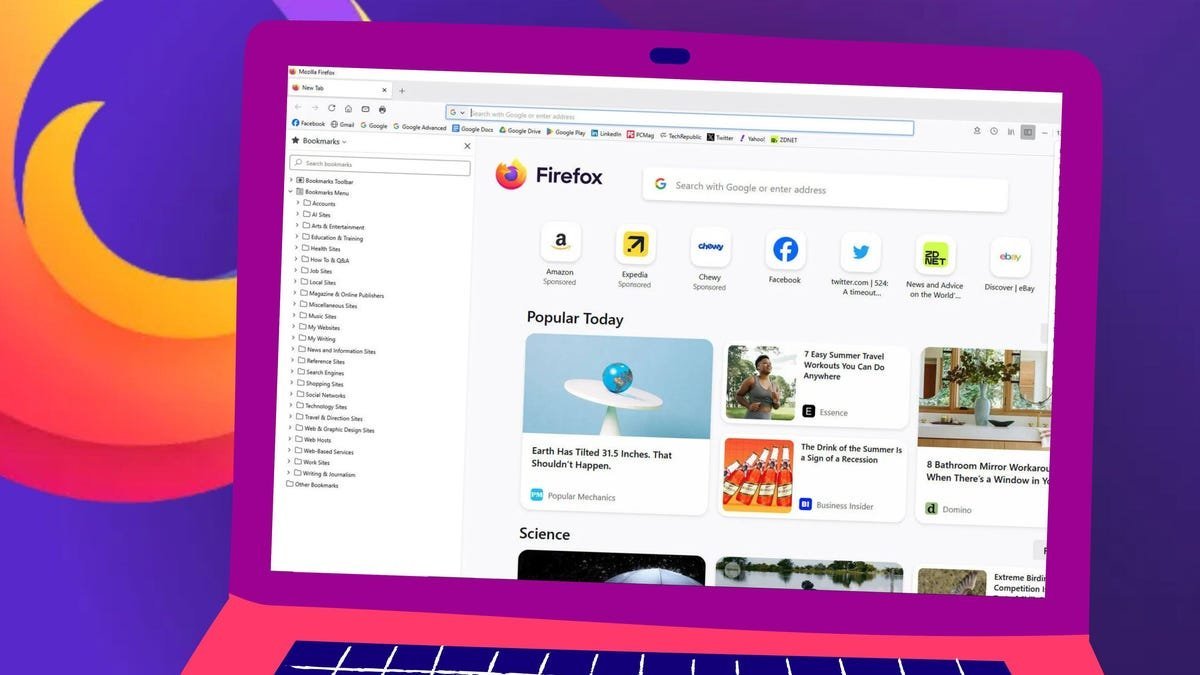
In an era where Chrome commands over 60% of the browser market and Edge aggressively integrates Copilot AI, Mozilla's Firefox often gets dismissed as a relic. Yet, for those valuing privacy, customization, and ethical tech, Firefox remains a superior choice—especially for developers and technical users who demand control over their digital environment. As detailed in a recent ZDNET analysis by Lance Whitney, Firefox's deliberate design philosophy offers compelling advantages that giants like Google and Microsoft overlook in pursuit of scale and monetization.
1. Unmatched Privacy Protections
Firefox's Enhanced Tracking Protection and Total Cookie Protection are enabled by default, actively blocking cross-site trackers, cryptominers, and fingerprinters—outpacing Chrome and Edge's reactive approaches. Crucially, Firefox implements Global Privacy Control (GPC), a legally enforceable signal demanding websites refrain from selling user data. As Whitney notes: "While Chrome's 'Do Not Track' is ignorable, GPC has teeth under laws like California's CCPA." For developers, this underscores a commitment to privacy-by-design principles often absent in mainstream tools.
2. Deep Customization for Power Users
Firefox excels in user agency. Its toolbar editor allows drag-and-drop reorganization, while userChrome.css enables CSS-level tweaks—ideal for developers streamlining workflows. Whitney highlights: "I've modified menu spacing and tab behavior via CSS, something Chrome and Edge actively restrict." The new-tab page is fully customizable (unlike Chrome’s Google-centric view), supporting blank slates or curated dashboards. 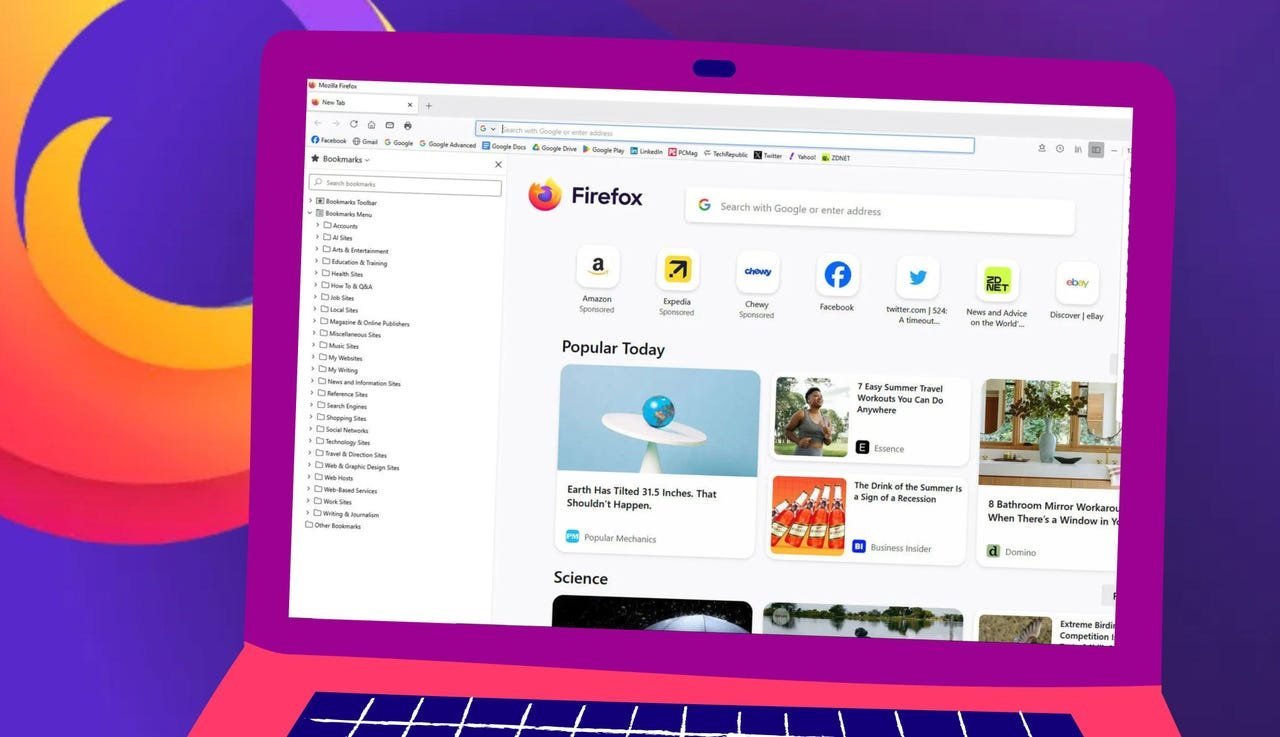
3. Practical Features Chrome Ignores
- Containers: Isolate work/personal browsing in color-coded tabs without multiple accounts—vital for developers testing environments.
- Unified Search: Switch search engines (Google, DuckDuckGo, Wikipedia) directly from the address bar.
- Side Panel: Quick access to bookmarks, history, and AI tools without cluttering the viewport.
- Facebook Container: A unique extension blocking cross-site tracking by Meta—unavailable on rival browsers.
Why the Underdog Matters
Firefox's open-source foundation (via the nonprofit Mozilla) contrasts sharply with Google and Microsoft's data-driven models. Whitney argues: "If Firefox vanished, we'd lose the only major browser prioritizing user rights over surveillance capitalism." Despite criticisms—like higher memory usage or occasional rendering quirks—Firefox's Gecko engine ensures a diverse web ecosystem. For developers, this means fewer monoculture risks and more incentive for cross-browser compatibility.
In a landscape chasing AI hype, Firefox’s focus on user sovereignty and extensibility offers a refreshing alternative. Its survival isn’t nostalgia—it’s a necessary counterweight keeping the web open, customizable, and respectful of privacy. As Whitney concludes: "When my code or data matters, Firefox is still my first tab."
Source: 5 reasons why Firefox is still my favorite browser by Lance Whitney (ZDNET)
Comments
Please log in or register to join the discussion