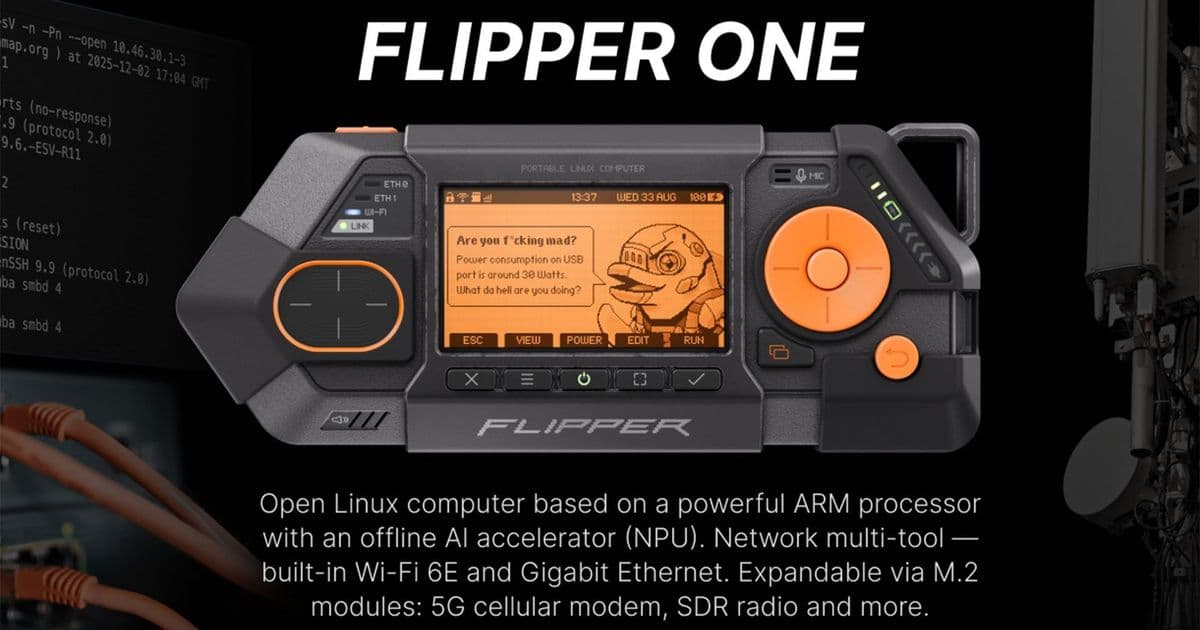
Flipper Devices unveils Flipper One, a pocket-sized computing multitool featuring ARM Linux performance comparable to Raspberry Pi 5, M.2 expansion, and GPIO connectivity, positioning itself as a new category of open-source hardware device.
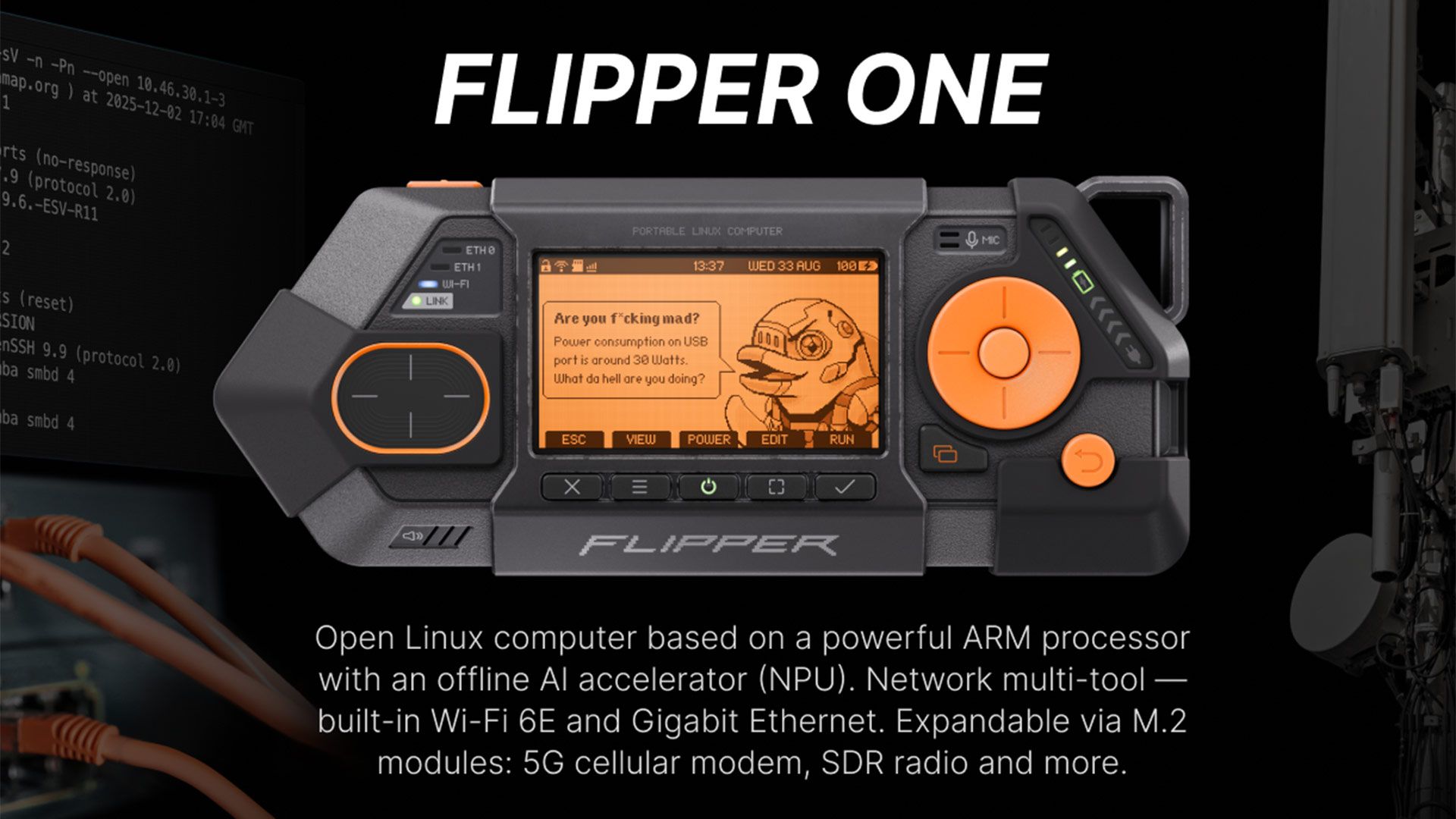
The creators of the popular Flipper Zero portable multi-tool device have announced the Flipper One, a significantly more capable pocket-sized gadget that aims to establish a new category of computing hardware. Unlike its predecessor, the Flipper One integrates substantial computing power, modularity, and expandability while maintaining the form factor that made the Flipper Zero popular among technology enthusiasts.
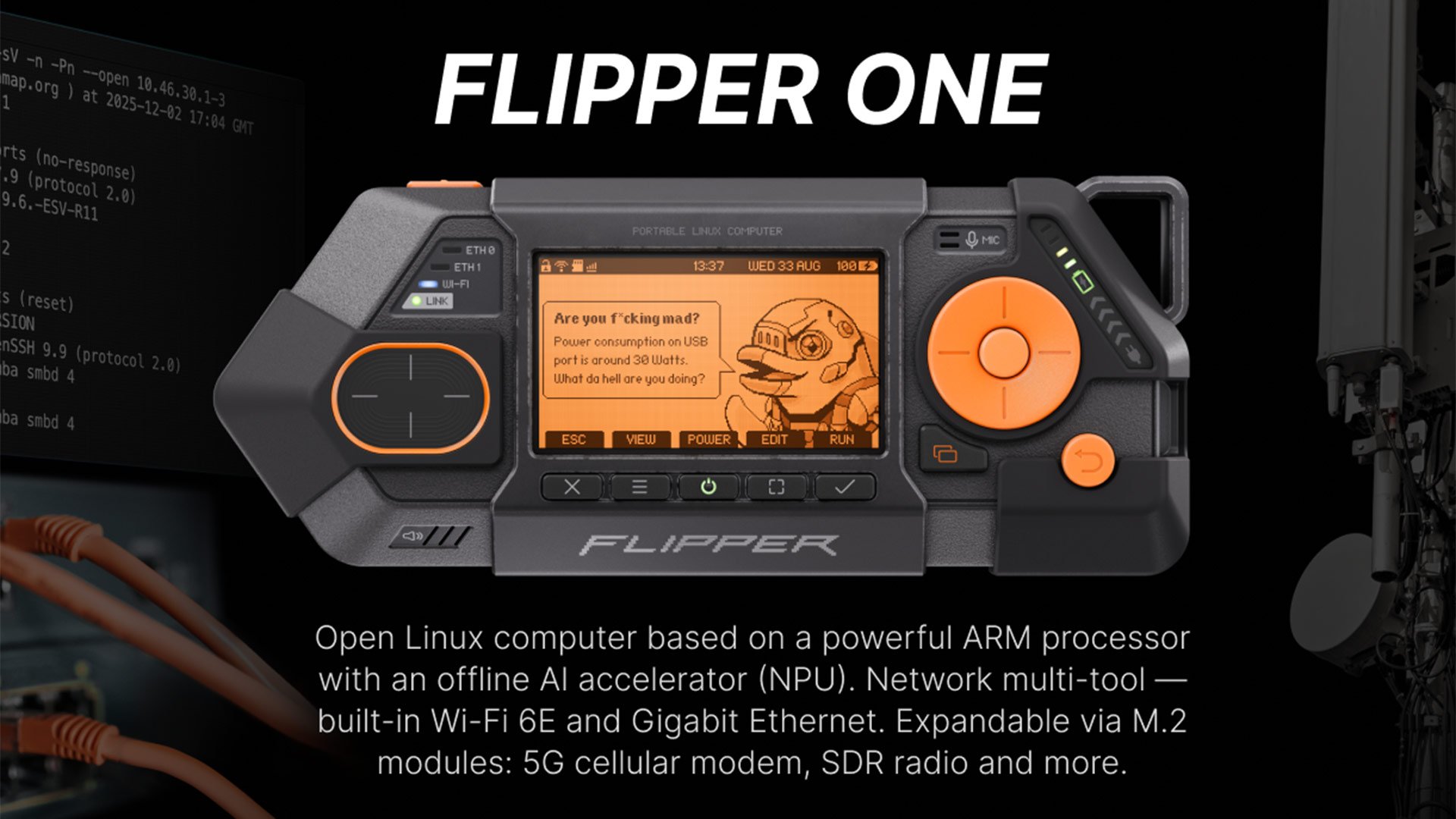
Community-Driven Development of Open Hardware
The Flipper One represents an ambitious evolution in portable computing devices. Notably, the device isn't yet complete; Flipper Devices is actively seeking community involvement to steer the final development stages. This collaborative approach mirrors the strategy that proved successful with the Flipper Zero, which demonstrated the power of community-driven hardware development.
"Flipper Zero taught us how much you can do with a tightly scoped, open product and a community that pushes it further than you can," said Pavel Zhovner, Co-Founder and CEO of Flipper Devices. "Flipper One is what happens when we apply the same approach to a much bigger problem — building a fully open ARM Linux device that doesn't go obsolete the moment it ships."
The development team has created the Flipper One Developer Portal, a public wiki containing comprehensive documentation for community contributors. The portal organizes development efforts into sub-projects including Hardware, Mechanics, Linux software, MCU Firmware, User Interface, Documentation, and Testing.
Technical Specifications and Architecture
At the heart of the Flipper One lies the Rockchip RK3576 system-on-chip (SoC), an octa-core ARM processor that delivers performance comparable to a Raspberry Pi 5. This represents a significant leap over the Flipper Zero's capabilities, positioning the device as a true pocket computer rather than merely a specialized tool.
The Rockchip RK3576 SoC includes several key components:
- Octa-core CPU with Mali-G52 graphics
- Neural Processing Unit (NPU) for AI acceleration
- Hardware video decoding capabilities
- 8GB of RAM
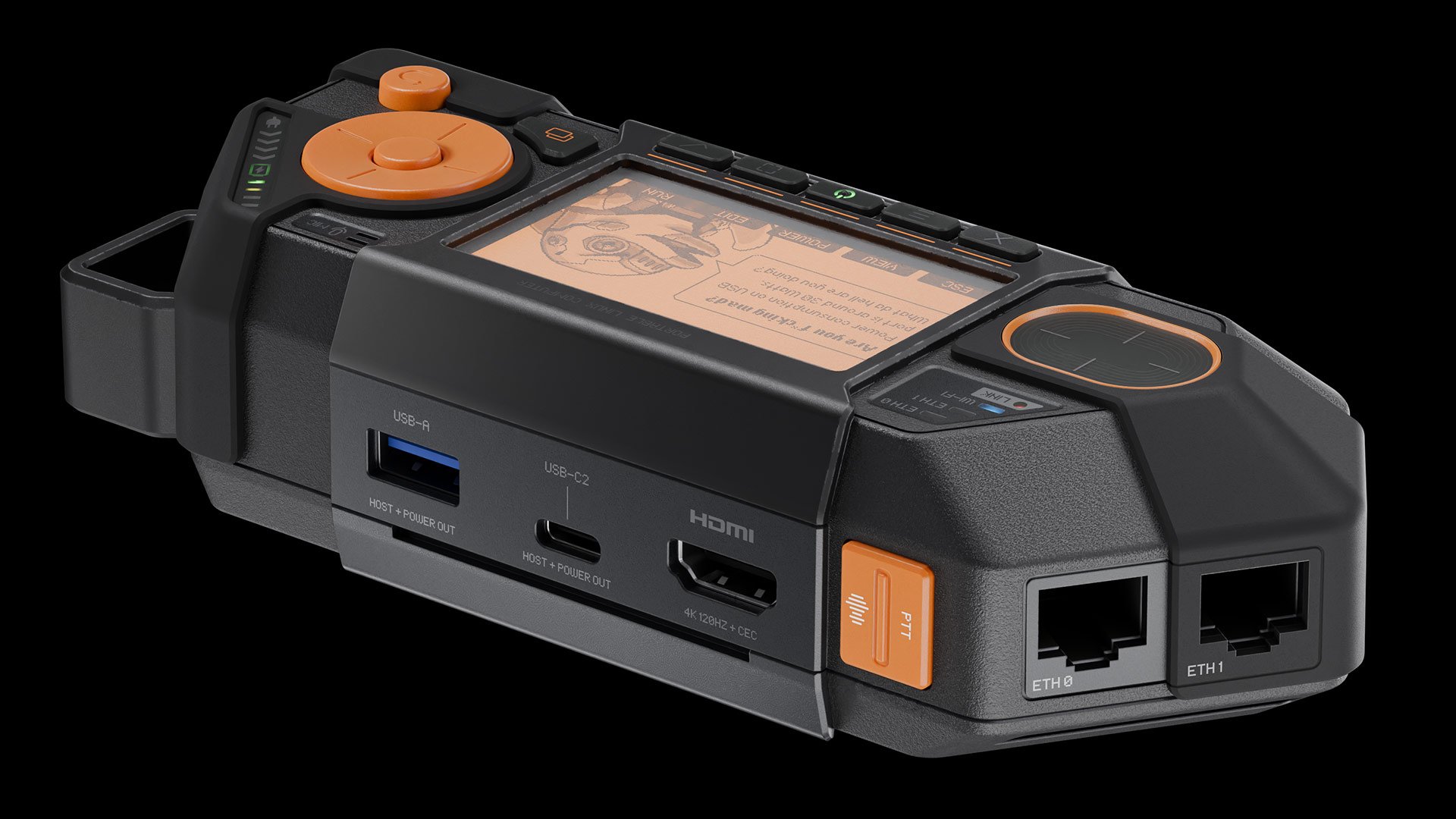
Complementing the main processor is the RP2350 low-power microcontroller unit (MCU), which can operate independently, providing functionality without requiring the full Linux system to be active. The CPU and MCU communicate through an interconnect system, enabling efficient collaboration between the two processing units.
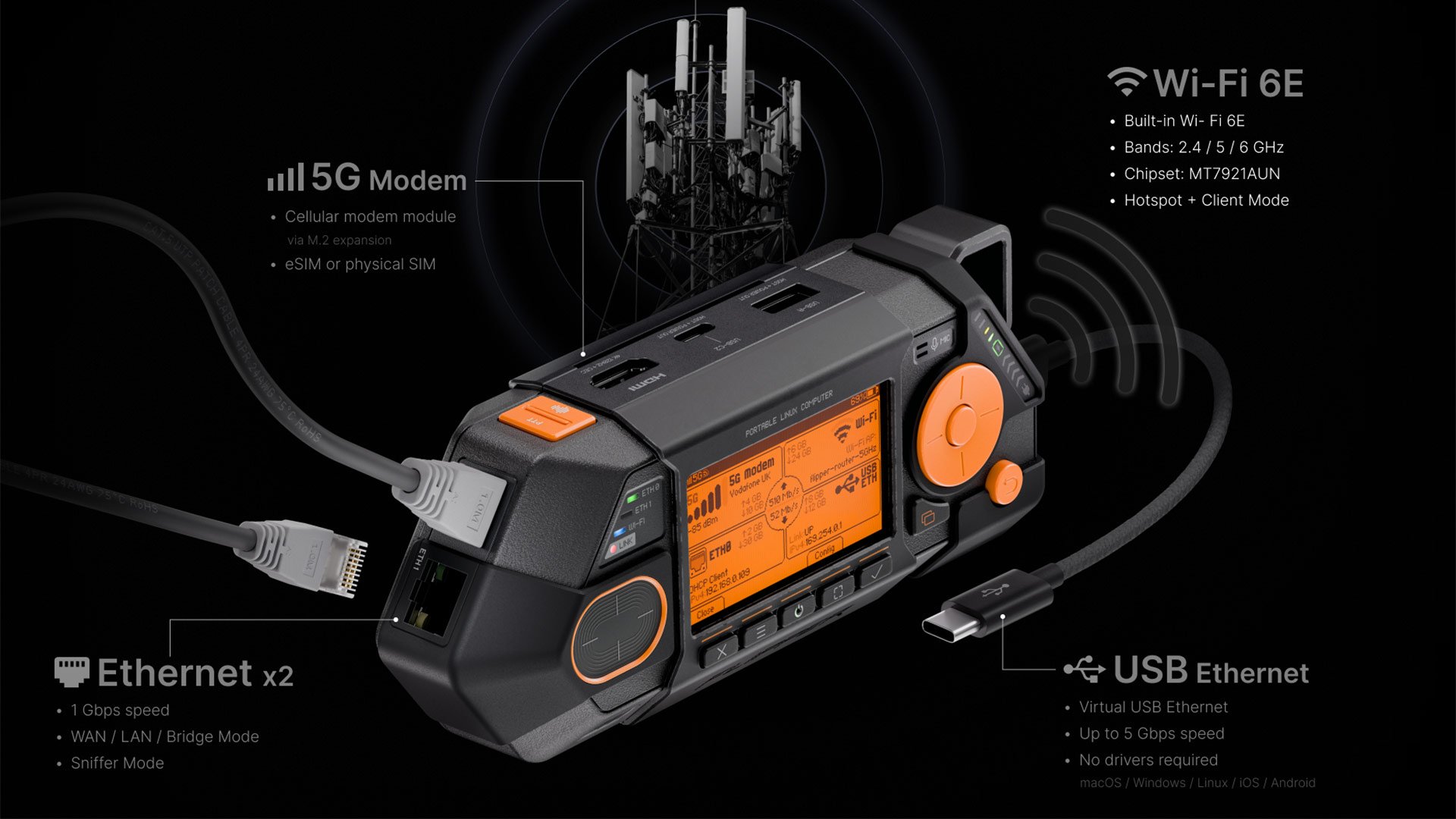
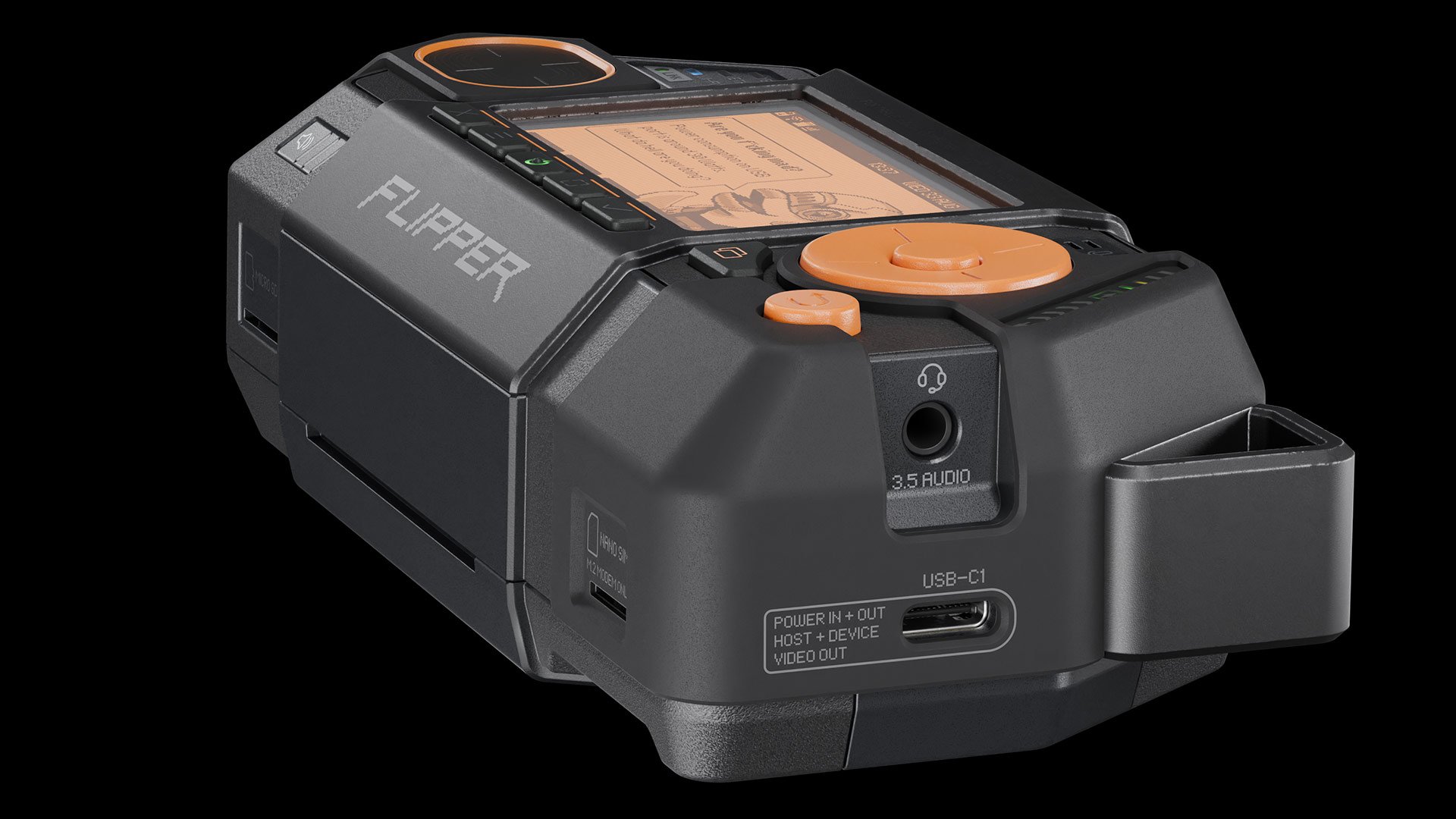
In terms of connectivity, the Flipper One offers substantial expansion capabilities:
- M.2 slot for modular expansion
- GPIO port for hardware interfacing
- USB-C DisplayPort Alt Mode for charging, video output, and peripheral connections
- Full-size HDMI port for direct display connection
Software Development and Linux Integration
The development team has partnered with Collabora to push full support for the Rockchip RK3576 SoC into the mainline Linux kernel. This collaboration represents a significant commitment to open-source software principles and long-term device viability.
Current development efforts focus on several critical areas:
- Power management optimization
- USB DP Alt-mode support
- Drivers for the SoC's NPU
- Hardware video decoding capabilities
- Other accelerator components
The device will run Flipper OS, a Debian-based operating system optimized for the Flipper One's hardware. A key component of this OS is FlipCTL, a framework designed for interacting with the device through its small screen using just a D-pad and a few buttons.
When connected to an external display via USB-C or HDMI, the Flipper One transforms into what the team describes as a "hacker's TV media box," capable of running standard Linux applications while maintaining its specialized hardware capabilities.
AI Capabilities and Local Processing
The Flipper One incorporates AI functionality through its built-in NPU, enabling local execution of Large Language Models (LLMs). While the team acknowledges current limitations in achieving full AI functionality, the device will support external AI agents when connected to the internet.
This AI capability, combined with the device's modular expansion options, positions the Flipper One as a versatile tool for edge computing applications, IoT development, and security research—all within a pocket-sized form factor.
Market Implications and Competitive Positioning
The Flipper One enters a market increasingly crowded with single-board computers and portable development devices. However, its combination of pocket-sized form factor, specialized hardware interfaces, and Linux computing capabilities creates a unique positioning.
From a supply chain perspective, the device leverages established components like the Rockchip RK3576 SoC, which benefits from mature manufacturing processes. The inclusion of M.2 expansion follows industry trends toward modular computing platforms, similar to how modern laptops and desktops have embraced standardized expansion slots.
The emphasis on open hardware and software aligns with growing consumer demand for transparent, repairable, and upgradeable technology. By maintaining compatibility with standard expansion interfaces like M.2 and GPIO, Flipper One aims to avoid the obsolescence that plagues many specialized computing devices.
Comparison with Flipper Zero
While Flipper Devices emphasizes that the Flipper One is "completely different" from the Flipper Zero, the relationship between the devices represents an evolution rather than a complete departure. The Flipper Zero established the market for pocket-sized multi-tools, while the Flipper One expands that concept to include general-purpose computing capabilities.
The comparison highlights the progression from specialized tool to general-purpose computer:
- Flipper Zero: Specialized multi-tool with limited computing capabilities
- Flipper One: Pocket computer with specialized hardware interfaces
This evolution reflects broader trends in computing, where the lines between specialized and general-purpose devices continue to blur, particularly in the embedded and IoT spaces.
As the semiconductor industry continues to advance, devices like the Flipper One demonstrate how increasingly powerful processors can be incorporated into smaller, more specialized form factors. The Rockchip RK3576, while not the latest process node, represents a sweet spot of performance and power efficiency suitable for portable applications.
The Flipper One's development approach, combining community input with established industry components, offers a potential model for future hardware development that balances innovation with practicality. As the device moves closer to production, its success may influence how future pocket computing devices are designed and developed.
Comments
Please log in or register to join the discussion