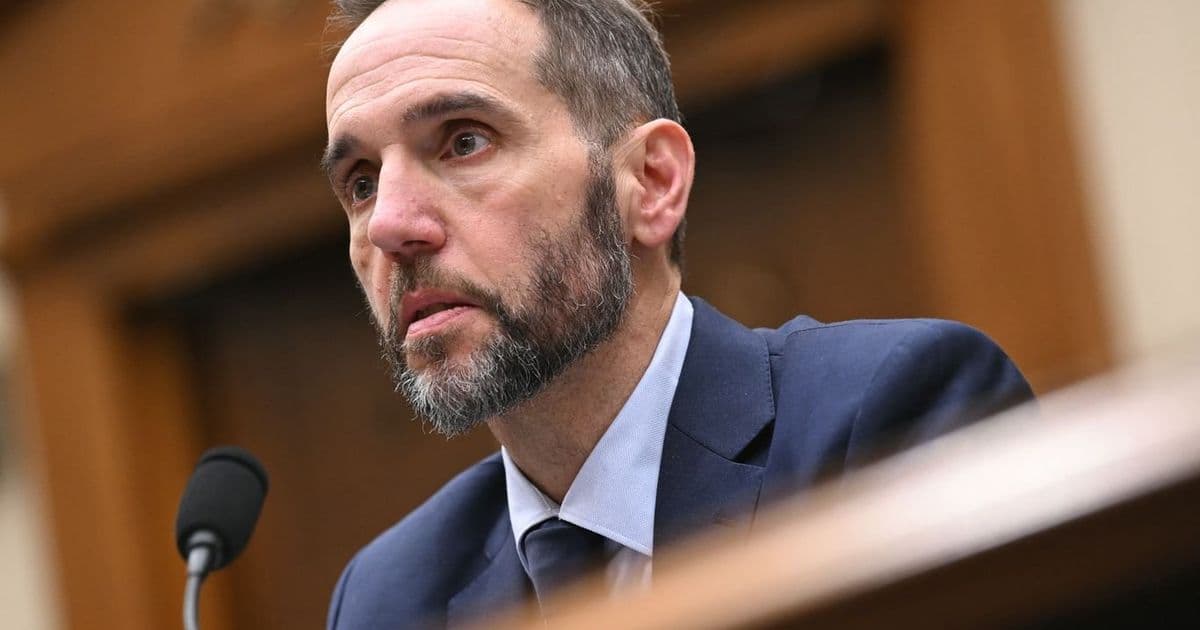
Former U.S. special counsel Jack Smith testified before the House Judiciary Committee, expressing concern that he could face indictment from the Department of Justice under a potential Trump administration, citing his prior investigations into the former president.
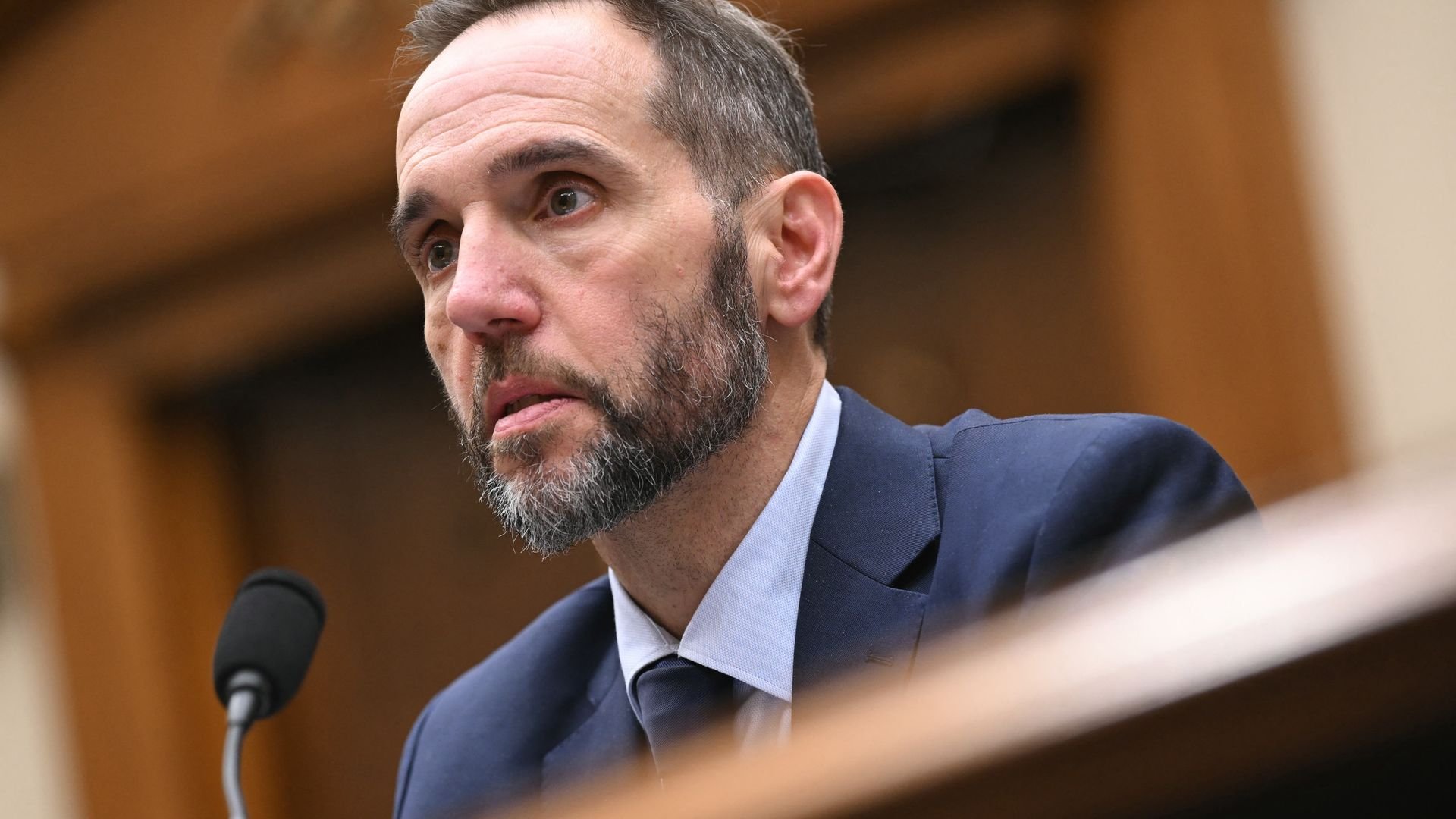
Former U.S. special counsel Jack Smith, who led the federal investigations into former President Donald Trump's handling of classified documents and alleged efforts to overturn the 2020 election, testified before the House Judiciary Committee on January 22. During his testimony, Smith indicated he expects to be indicted by the Department of Justice if Donald Trump returns to the White House, a statement that underscores the deep political divisions surrounding the Justice Department's independence.
Smith's comments come amid ongoing debates about the politicization of federal law enforcement. As the special counsel, he was appointed by Attorney General Merrick Garland in November 2022 to oversee two high-profile investigations. The first examined Trump's retention of classified documents at Mar-a-Lago, leading to an indictment in June 2023. The second investigated Trump's conduct related to the January 6 Capitol riot and efforts to challenge the election results, resulting in a superseding indictment in August 2023. Both cases remain active, though the classified documents case was temporarily paused by the Supreme Court pending a ruling on presidential immunity.
In his congressional testimony, Smith addressed the potential for his own prosecution under a future Trump DOJ. He stated that he "fully expects" to be indicted, framing this as a consequence of his role in pursuing charges against Trump. This assertion highlights the extraordinary nature of a former special counsel anticipating criminal charges from the very department he once served. It also raises questions about the norms of prosecutorial discretion and the potential use of the DOJ as a tool for political retribution.
The implications of Smith's testimony extend beyond his personal legal jeopardy. It signals a possible erosion of the traditional firewall between the White House and the Justice Department, a principle long upheld to ensure investigations proceed without political interference. Historically, special counsels have operated with a degree of autonomy, but the prospect of their work being reversed or punished by a subsequent administration could deter future officials from pursuing sensitive cases involving political figures.
From a market and policy perspective, this development could have ripple effects on governance and regulatory stability. Investors and businesses often rely on predictable legal frameworks and the rule of law. The perception of a politicized justice system can introduce uncertainty, potentially affecting market confidence and long-term strategic planning. For the tech sector, which operates under a complex web of regulations, any instability in federal enforcement priorities could influence compliance strategies and risk assessments.
Smith's testimony also arrives at a time of heightened scrutiny over the Justice Department's handling of politically charged cases. The department has faced criticism from both sides of the aisle, with some accusing it of overreach and others alleging undue leniency. Smith's anticipation of indictment adds a personal dimension to these debates, illustrating the personal risks faced by officials tasked with investigating powerful political figures.
In summary, Jack Smith's expectation of indictment under a potential Trump DOJ underscores the volatile intersection of law and politics in the United States. His testimony before the House Judiciary Committee not only reflects his personal concerns but also serves as a case study in the challenges of maintaining judicial impartiality in a polarized environment. As the 2024 election cycle progresses, the fate of these investigations—and the officials who led them—will remain a critical barometer of the nation's commitment to the rule of law.
Comments
Please log in or register to join the discussion