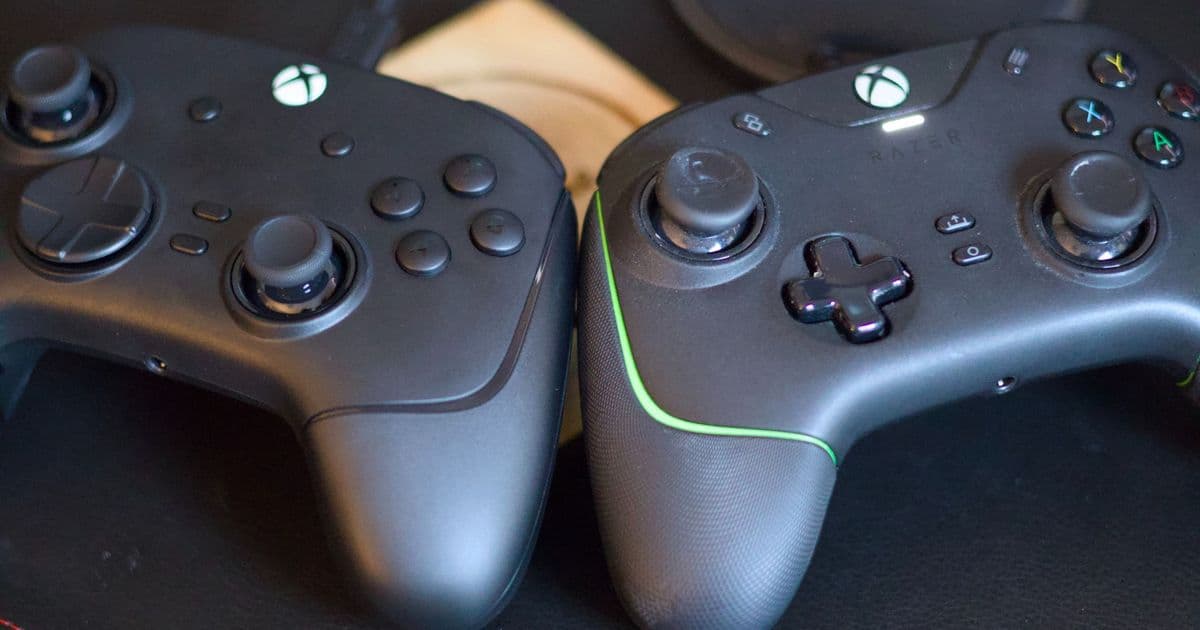
After 25 years of controller experience and four years exclusively using Razer Wolverine models, we examine critical factors for PC gamers: wired vs wireless trade-offs, ergonomic durability, and feature prioritization including Hall Effect sticks.
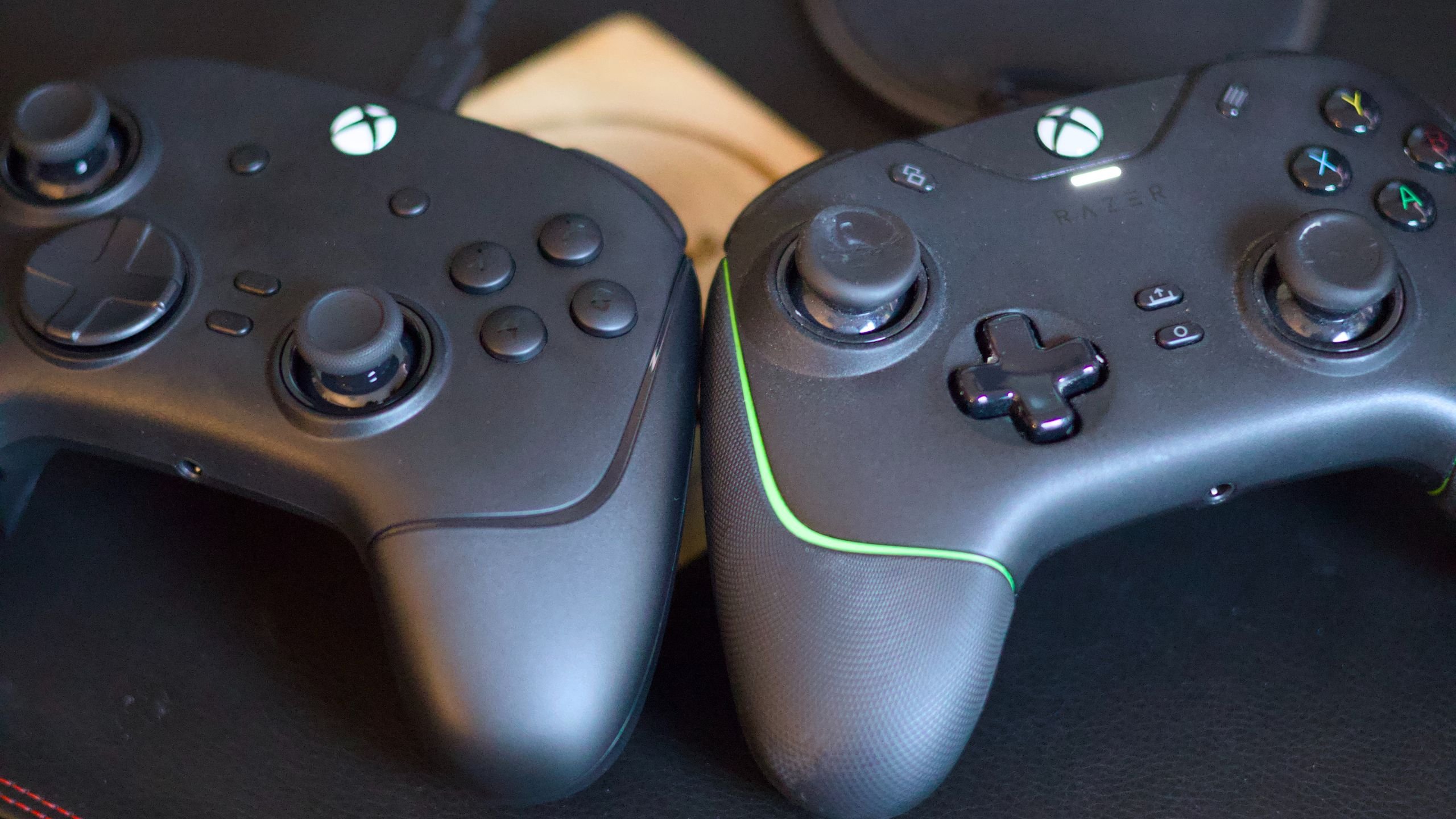
For 25 of my 30 years, game controllers have been a constant companion – from childhood DualShocks to Xbox 360 pads and countless review units. Yet the past four years saw exclusive commitment to Razer's Wolverine line, spanning three purchases: Wolverine V2 (twice) and V3 Tournament Edition. This deep dive examines what this loyalty reveals about selecting optimal PC controllers amid overwhelming market choices.
1. Wired vs Wireless: Beyond the Obvious
Most debates focus solely on cable freedom versus input lag, but cost and maintenance prove equally critical. Wireless controllers typically command 100% premiums over wired equivalents – Razer's Wolverine V3 Tournament Edition costs $99 wireless versus $60 wired. Beyond price, wired eliminates battery anxiety and charging interruptions during extended sessions. Physical tethering also prevents misplacement, a genuine issue in multi-device households.
Input latency differences exist but rarely impact usage. Standard wireless controllers operate at 1000Hz polling rates with sub-5ms latency, while premium models like the 8000Hz Razer Wolverine V3 Pro achieve near-instant response. For non-professional gamers, this gap is imperceptible. Cable quality matters: Wolverine V3's detachable USB-C cable offers future-proofing absent in V2's fixed proprietary connector. Evaluate cable durability alongside controller build quality.
2. Ergonomics: Material Science Meets Comfort
Long-term comfort requires balancing grip texture, weight distribution, and material durability. Wolverine V2's rubberized grips provide superior initial comfort but degrade faster than plastic. After two years, my V2 exhibited peeling rubber and accumulated grime in textured surfaces. Wolverine V3 addresses this with rigid thermoplastic polymer ridges – less plush but easier to clean and more resistant to wear.
Controller dimensions significantly affect fatigue. Microsoft's 2020 Xbox controller redesign shaved millimeters off dimensions, reducing hand strain noticeably. Weight distribution is equally vital: heavier controllers (200g+) cause wrist fatigue faster during RPG marathons. Always verify dimensions against your hand size – manufacturers like Victrix offer modular components for customization.
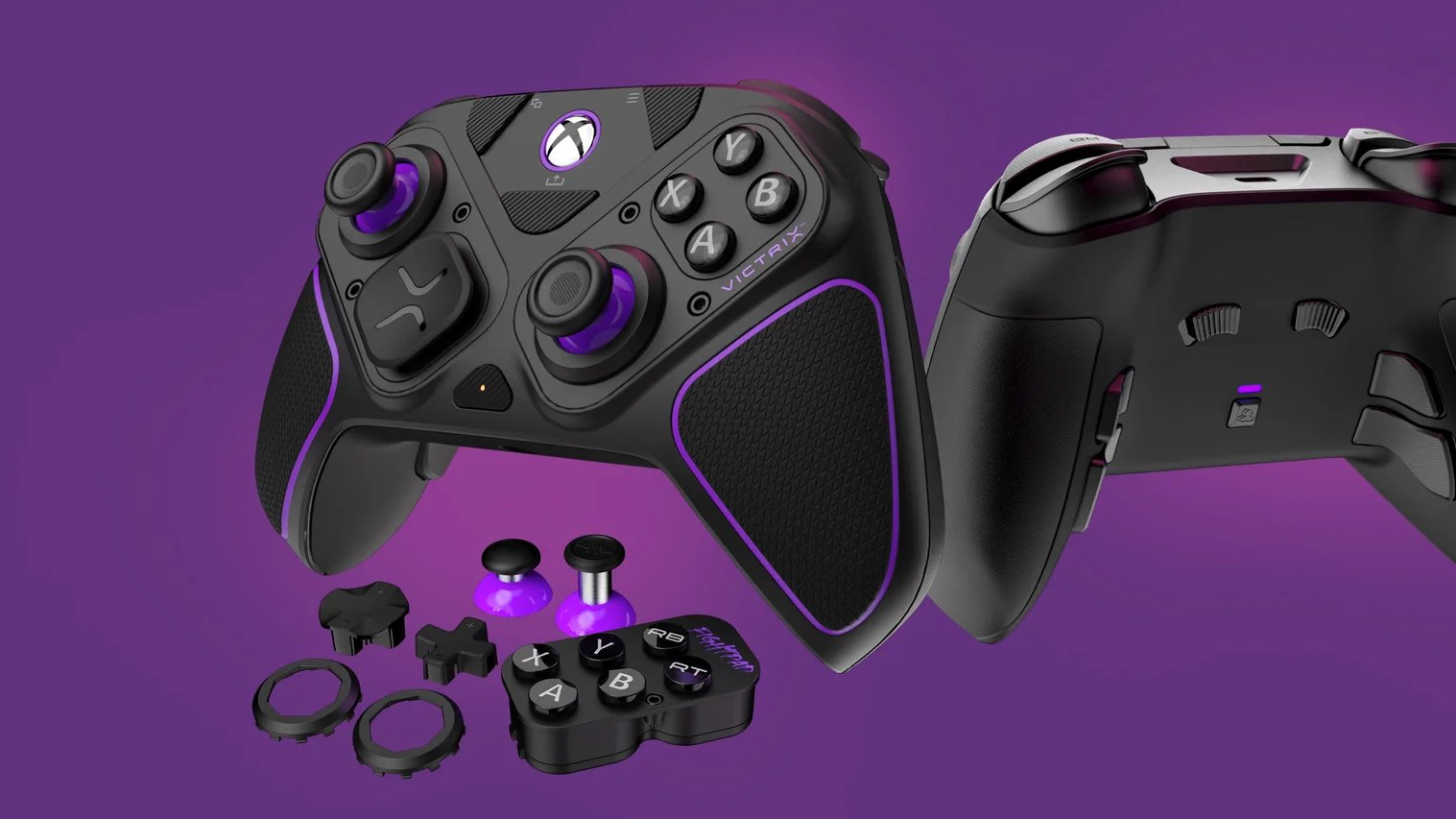 Turtle Beach Victrix Pro exemplifies modular ergonomics with swappable thumbsticks and button layouts.
3. Feature Hierarchy: Buttons, Triggers, and Stick Technology
Extra inputs transform gameplay efficiency. Wolverine's dual shoulder buttons and V3's quad rear paddles enable complex actions without thumb displacement – critical in FPS titles where milliseconds matter. Remappable buttons via Razer's software extend functionality: assigning inventory shortcuts in RPGs or crafting commands in survival games.
Trigger design warrants scrutiny. Hair trigger switches (mechanical stops reducing travel distance) benefit shooters but add little value for racing or platformers. Modular controllers like the Turtle Beach Victrix Pro BFG let users swap stick tension rings and face buttons, adapting to genre-specific needs.
Hall Effect sensors represent the most crucial durability upgrade. Traditional potentiometer sticks degrade from carbon film erosion, causing drift. Hall Effect (magnetic) and TMR (tunnel magnetoresistance) sticks, like Wolverine V3's, eliminate physical contact. Testing shows Hall Effect sticks withstand 5-10x more cycles (up to 5 million actuations) than standard sticks. For heavy users, this justifies premium pricing by extending controller lifespan 3-5 years.
Verdict: Tailored Choices Beat One-Size-Fits-All
Controller selection hinges on use case. Competitive gamers benefit from wired reliability, paddles, and Hall Effect sticks. Casual players can prioritize ergonomics and wireless convenience. Third-party options like PowerA's Fusion Pro 3 ($89) offer Hall Effect sticks at lower prices than first-party controllers. While Razer's Wolverine series excels in customizable features, even standard Xbox Wireless Controllers ($59) remain viable entry points. Ultimately, understanding these trade-offs ensures your next controller aligns with both gameplay style and longevity requirements.
Comments
Please log in or register to join the discussion