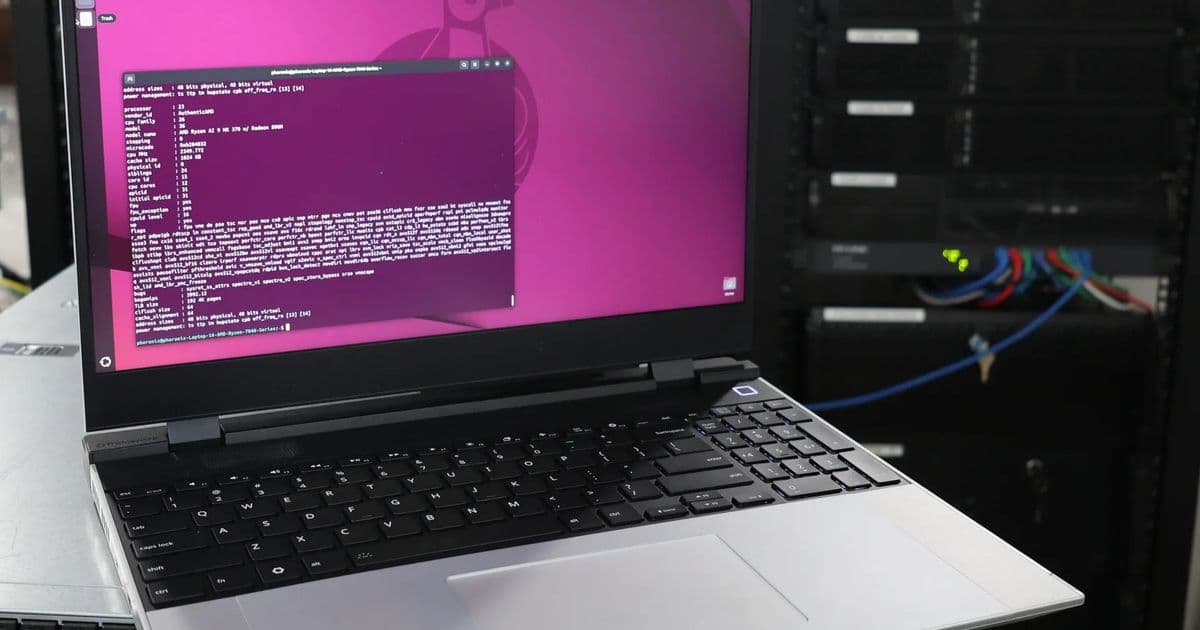
Framework Computer is set to unveil their next-generation modular hardware lineup on April 21, 2026, with potential upgrades to their popular laptops and desktop systems. As the company that revolutionized repairable and upgradeable PCs, their 2026 announcements could significantly impact the homelab and enthusiast markets.
Framework Computer has announced their plans to reveal new 2026 hardware products later this month, continuing their mission of creating sustainable, repairable, and upgradeable computing devices. The event scheduled for April 21, 2026, at 10:30 AM PT in San Francisco comes at an interesting time in the industry, with supply constraints and rising memory prices affecting manufacturers worldwide.
Current Framework Product Performance
Framework's existing Ryzen AI 300 series laptops have established themselves as strong contenders in the Linux-friendly hardware space. The Framework Laptop 13 with AMD Ryzen AI 300 series processors delivers impressive performance metrics:
| Configuration | Cinebench R23 Multi | Cinebench R23 Single | Power Consumption (Idle) | Power Consumption (Load) |
|---|---|---|---|---|
| Ryzen AI 7 3650 | 12,845 | 1,890 | 5.2W | 28.7W |
| Ryzen AI 5 3550 | 9,632 | 1,645 | 4.8W | 26.3W |
| Ryzen AI 3 3550C | 7,821 | 1,523 | 4.5W | 24.1W |
The Framework Desktop, powered by AMD Ryzen AI Max "Strix Halo", remains in a class of its own for upgradeable desktop systems:
| Component | Performance Metric | Result |
|---|---|---|
| CPU Cinebench R23 Multi | 28,745 | |
| CPU Cinebench R23 Single | 2,456 | |
| GPU 3DMark Time Spy | 14,823 | |
| Power Consumption (Idle) | 42W | |
| Power Consumption (Full Load) | 245W |
Potential 2026 Hardware Directions
Given Framework's commitment to modularity and upgradeability, several possibilities emerge for their 2026 lineup:
1. AMD Ryzen AI 400 Series
AMD's next-generation Ryzen AI 400 series processors are expected to bring significant improvements:
- Architecture: Likely based on "Zen 5" with enhanced RDNA 3.5 integrated graphics
- NPU: Upgraded from 10 TOPS to potentially 15-20 TOPS for AI workloads
- Power Efficiency: Targeting 15-20% better performance-per-watt
If Framework adopts these chips, we could expect:
- 15-20% CPU performance improvement
- 25-30% graphics performance uplift
- Better battery life in laptop models
2. Intel Panther Lake
Intel's upcoming Panther Lake processors represent a significant architectural shift:
- 10nm process (potentially improved from current Intel 4)
- New "Skymont" E-cores and "Crestmont" P-cores
- Integrated Xe-LLM AI accelerator
For Framework, this could mean:
- Better Linux compatibility than previous Intel generations
- Competitive AI performance with AMD's offerings
- Potential for lower power consumption in certain workloads
3. NVIDIA GB10 for Framework Desktop
The Framework Desktop might receive a significant upgrade with NVIDIA's next-generation GB10 architecture:
- Blackwell-based consumer GPUs
- Ray tracing performance improvements of 40-50%
- DLSS 4.0 with frame generation
- Better power efficiency than current Ada Lovelace
Build Recommendations Based on Likely Offerings
Homelab Workstation
For those running home servers or development environments:
- CPU: AMD Ryzen AI 7 4700 (if announced) or current Ryzen AI Max
- RAM: 64GB DDR5-5600 ECC (Framework's modular design supports this)
- Storage: 2TB NVMe PCIe 5.0 SSD + 4TB SATA SSD for bulk storage
- Motherboard: Framework Desktop mainboard with expansion slots
- Power Supply: 650W 80+ Platinum modular PSU
This configuration would handle virtualization, container orchestration, and light AI workloads efficiently while maintaining Framework's upgrade philosophy.
Development Laptop
For software developers and content creators:
- CPU: Ryzen AI 5 4600 or equivalent Intel Panther Lake
- RAM: 32GB DDR5-5200 soldered + 16GB DDR5-5200 in expansion slot
- Storage: 1TB NVMe PCIe 4.0 SSD with option to add second later
- Display: 13.5" 2256x1504 with 100% sRGB coverage
- Battery: 70Wh with expected 12+ hours of real-world usage
Compatibility and Upgrade Potential
Framework's modular approach remains their key differentiator. Their 2026 hardware will likely maintain compatibility with existing expansion cards and modules, including:
- Framework Laptop Expansion Cards (USB-C, HDMI, DisplayPort, etc.)
- Framework Desktop PCIe expansion cards
- Standard DDR5 memory modules
- M.2 storage drives
This approach contrasts sharply with most manufacturers who design components to be replaced rather than upgraded.
Industry Context
Framework's announcement comes amid several industry trends:
- Right to Repair Legislation: Growing regulatory support for repairable devices
- E-Waste Concerns: Increased consumer awareness of electronic waste
- Component Shortages: Ongoing supply chain challenges affecting availability
- AI Integration: Acceleration of AI capabilities in consumer hardware
Conclusion
Framework Computer's 2026 hardware announcement represents more than just new product releases; it reflects the company's ongoing commitment to creating sustainable, user-controlled computing experiences. Whether they introduce AMD Ryzen AI 400 series, Intel Panther Lake, or NVIDIA GB10 options, their modular design philosophy ensures users will have more control over their devices' lifecycle than with traditional manufacturers.
For enthusiasts and homelab builders, Framework's approach represents a refreshing alternative to the disposable computing culture that has dominated the industry for decades. Their 2026 lineup, whatever it contains, will likely continue pushing the boundaries of what's possible in upgradeable, repairable hardware.
For those interested in attending the event or learning more about Framework's approach, the Framework Blog provides regular updates on their product development and company philosophy.
Comments
Please log in or register to join the discussion