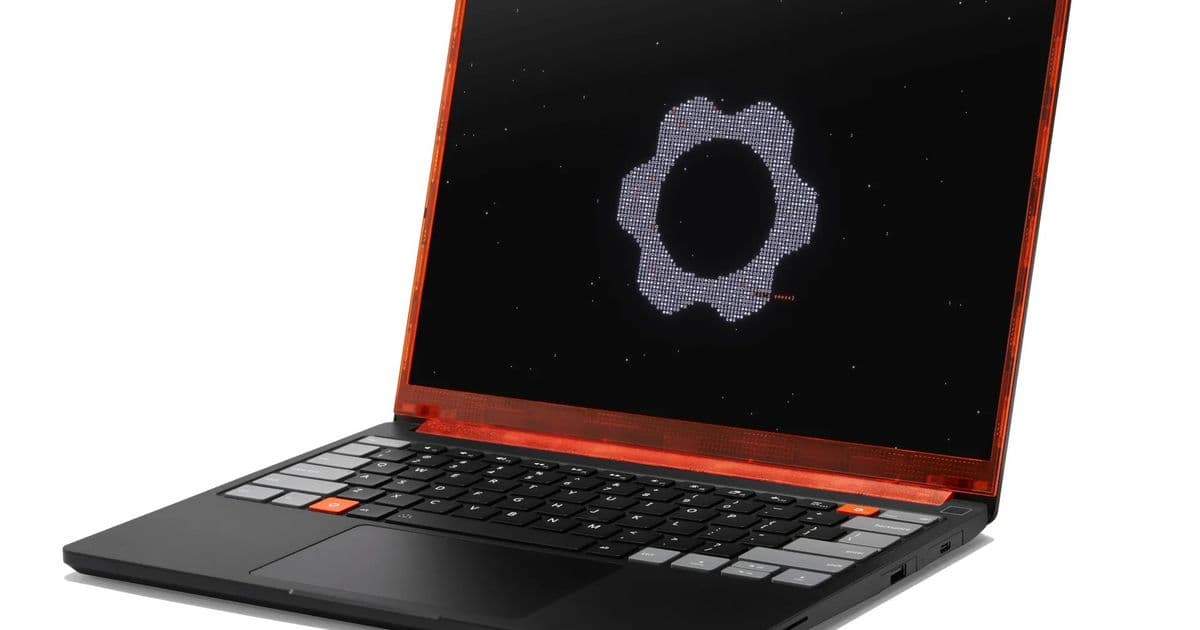
Intel's upcoming Panther Lake processor receives Linux kernel support for proper microphone functionality in Framework's new 13 Pro laptop, addressing input clipping issues just before the June launch.
Framework Computer continues to demonstrate its commitment to Linux compatibility with a kernel fix for the microphone issues on its upcoming Panther Lake-powered Laptop 13 Pro. The fix, merged this weekend to the mainline Linux kernel, addresses a critical audio problem that could have impacted early Linux users of the new hardware.
Panther Lake and the Framework 13 Pro
Intel's Panther Lake represents the next generation of mobile processors, succeeding the current Meteor Lake architecture. While official specifications remain limited, Panther Lake is expected to bring significant improvements in both performance and power efficiency. The Framework 13 Pro will be one of the first laptops to feature this new processor, making Linux kernel support particularly crucial.
The microphone fix was developed by Framework Computer engineer Daniel Schaefer, who explained in the patch: "In addition to the mic jack fix, also need to avoid boosting the internal mic too much, otherwise >50% input volume clips a lot. Also add a second SSID. We have one for the classic chassis/speaker and one for the new Pro chassis/speaker."
Technical Details of the Microphone Fix
The audio issue addressed by this kernel fix is quite specific. The internal microphone on the Framework PTL (Panther Lake) laptop was experiencing excessive boost at input volumes above 50%, resulting in significant audio clipping. This is a common issue with new hardware as audio subsystems often require calibration adjustments specific to the hardware implementation.
The fix implements proper gain control for the internal microphone, ensuring that input levels remain within an optimal range without distortion. This type of low-level audio engineering is precisely why mainline kernel support is so valuable for Linux users—it addresses hardware-specific issues that would otherwise require proprietary workarounds or community-developed patches.
Interestingly, the patch also references "a second SSID" for the Pro chassis/speaker, suggesting that Framework is implementing distinct audio subsystems for its standard and Pro models, a detail that highlights the company's modular design approach.
Linux 7.1 and Broader Audio Support
The microphone fix for the Framework 13 Pro is part of a broader set of audio improvements merged to the Linux kernel this week in preparation for Linux 7.1-rc4. Other notable fixes include:
- A mute LED quirk for the HP Pavilion 16-ag0xxx laptop
- A Realtek ALC269 fix for the Lenovo Yoga Pro 7 15ASH111 audio
- A quirk for TTGK Technology USB-C Audio
- A quirk for the Samsung Galaxy Book 5 360 headphone
These improvements demonstrate the ongoing effort to expand Linux hardware compatibility, particularly for newer devices that may initially lack proper support. The Framework fix is particularly significant as it addresses an issue before the hardware even begins shipping to customers, a proactive approach that benefits the entire Linux community.
Panther Lake's Linux Compatibility
The microphone patch contains an interesting detail that suggests Intel's Panther Lake will eventually power the standard Framework 13 laptop model, not just the Pro version. This indicates that Framework is committed to bringing the latest Intel technology across its product line, which is good news for Linux users who value both performance and open-source compatibility.
While specific performance benchmarks for Panther Lake are still under wraps, Intel has indicated that the new architecture will deliver substantial improvements in both CPU and GPU performance. For Linux users, this means better support for modern workloads, including AI acceleration and graphics rendering, without requiring proprietary drivers.
Power Efficiency Considerations
One of the most significant aspects of new processor generations is improved power efficiency. Panther Lake is expected to build upon the efficiency gains of Meteor Lake, offering better performance-per-watt. This is particularly important for Linux users who often prioritize battery life and thermal performance.
Framework's approach to Linux compatibility extends beyond just kernel patches. The company actively works with the Linux community to ensure that its hardware works optimally with open-source drivers. This collaborative approach results in better power management, improved thermal handling, and overall more efficient operation under Linux.
Build Recommendations for Linux Users
For Linux users considering the Framework 13 Pro, the microphone fix is encouraging news. It demonstrates that Framework is taking Linux compatibility seriously from the earliest stages of hardware development. Here are some recommendations for those planning to purchase this laptop:
Plan for a kernel update: Even with the fix in Linux 7.1-rc4, your distribution may not have the updated kernel at launch. Be prepared to update your kernel shortly after receiving the laptop if you experience microphone issues.
Consider the standard model too: If the Panther Lake processor will eventually come to the standard Framework 13 model, this could offer a more budget-friendly option with similar Linux compatibility.
Test audio thoroughly: Once you receive the laptop, test the microphone with various applications to ensure the fix works as expected. Report any issues to both Framework and your Linux distribution's bug tracker.
Monitor kernel development: Keep an eye on the Linux kernel mailing list and Framework's communications for any additional fixes or improvements that may be released after the initial hardware launch.
The Importance of Mainline Kernel Support
The Framework 13 Pro microphone fix exemplifies the value of mainline kernel support for new hardware. By addressing issues before hardware ships, companies like Framework can ensure a better out-of-box experience for Linux users. This approach contrasts with some manufacturers that release hardware without proper Linux support, leaving users to rely on community-developed fixes or workarounds.
For Linux enthusiasts and professionals, this level of support is increasingly important as hardware becomes more complex and integrated. Modern laptops contain numerous components that require specific kernel support, including audio controllers, Wi-Fi adapters, and thermal management systems.
Conclusion
The microphone fix for the Framework 13 Pro is a positive development for Linux users who value both cutting-edge hardware and open-source compatibility. It demonstrates Framework's commitment to the Linux community and sets a standard for how hardware manufacturers should support new platforms. As Panther Lake-based laptops begin shipping in June, Linux users can look forward to a device that not only offers modern performance but also comes with the level of software support that the community has come to expect from Framework.
For more information about the Framework Laptop 13 Pro, visit Framework's official product page. For details on the microphone fix, you can examine the kernel patch directly.
Comments
Please log in or register to join the discussion