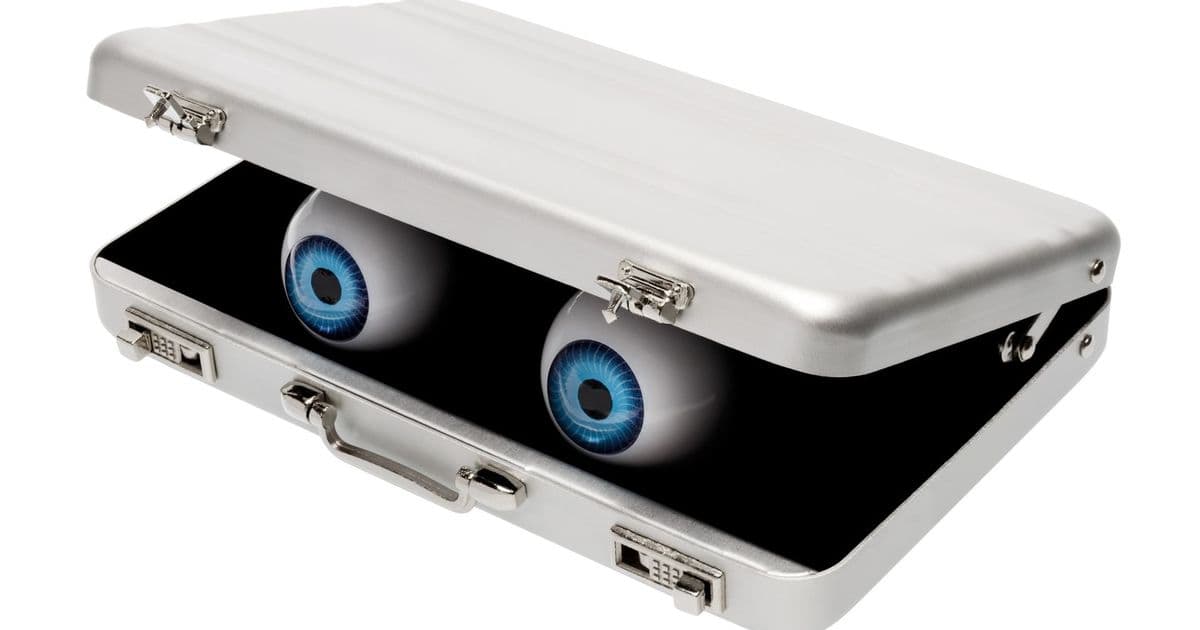
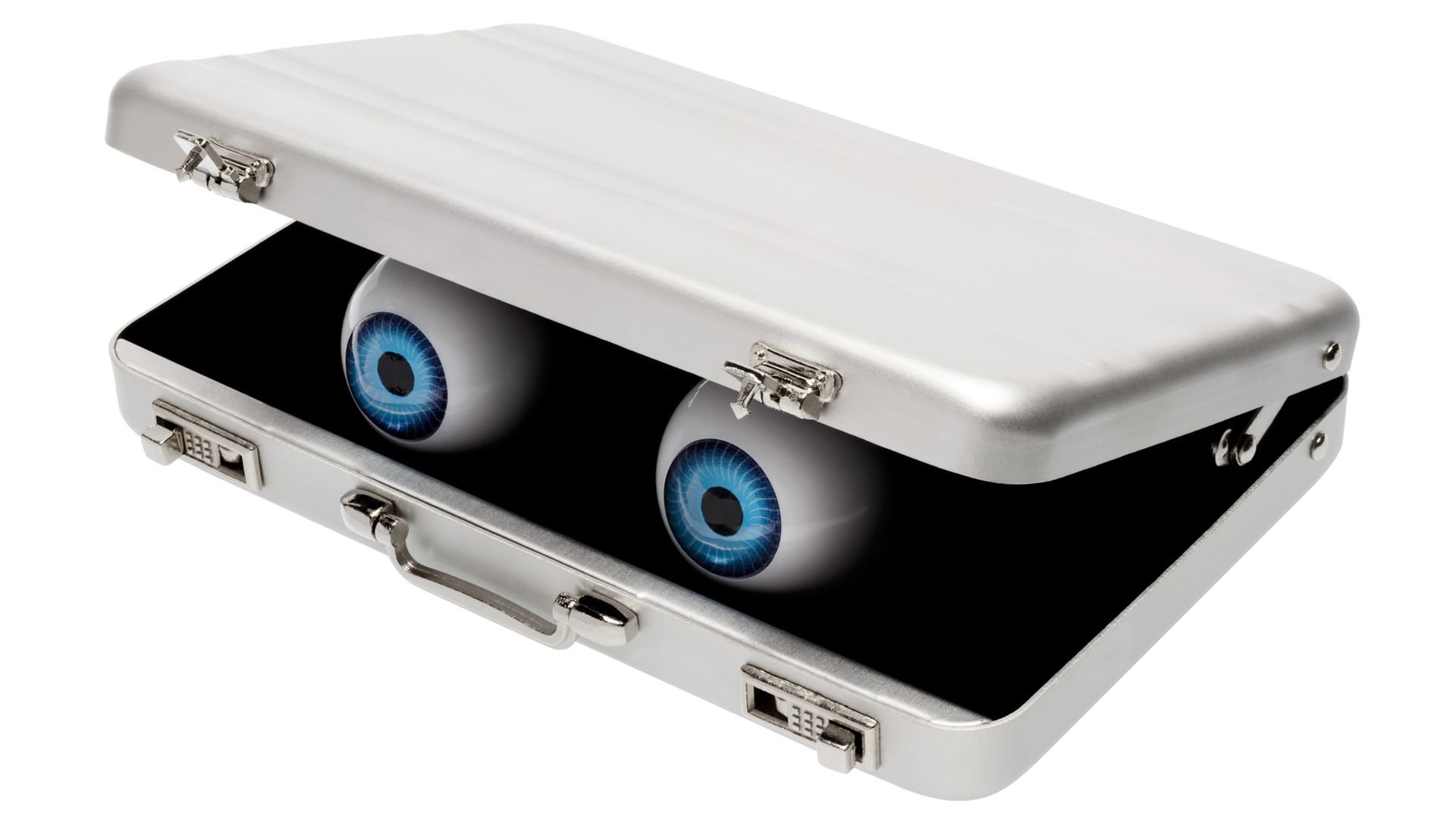
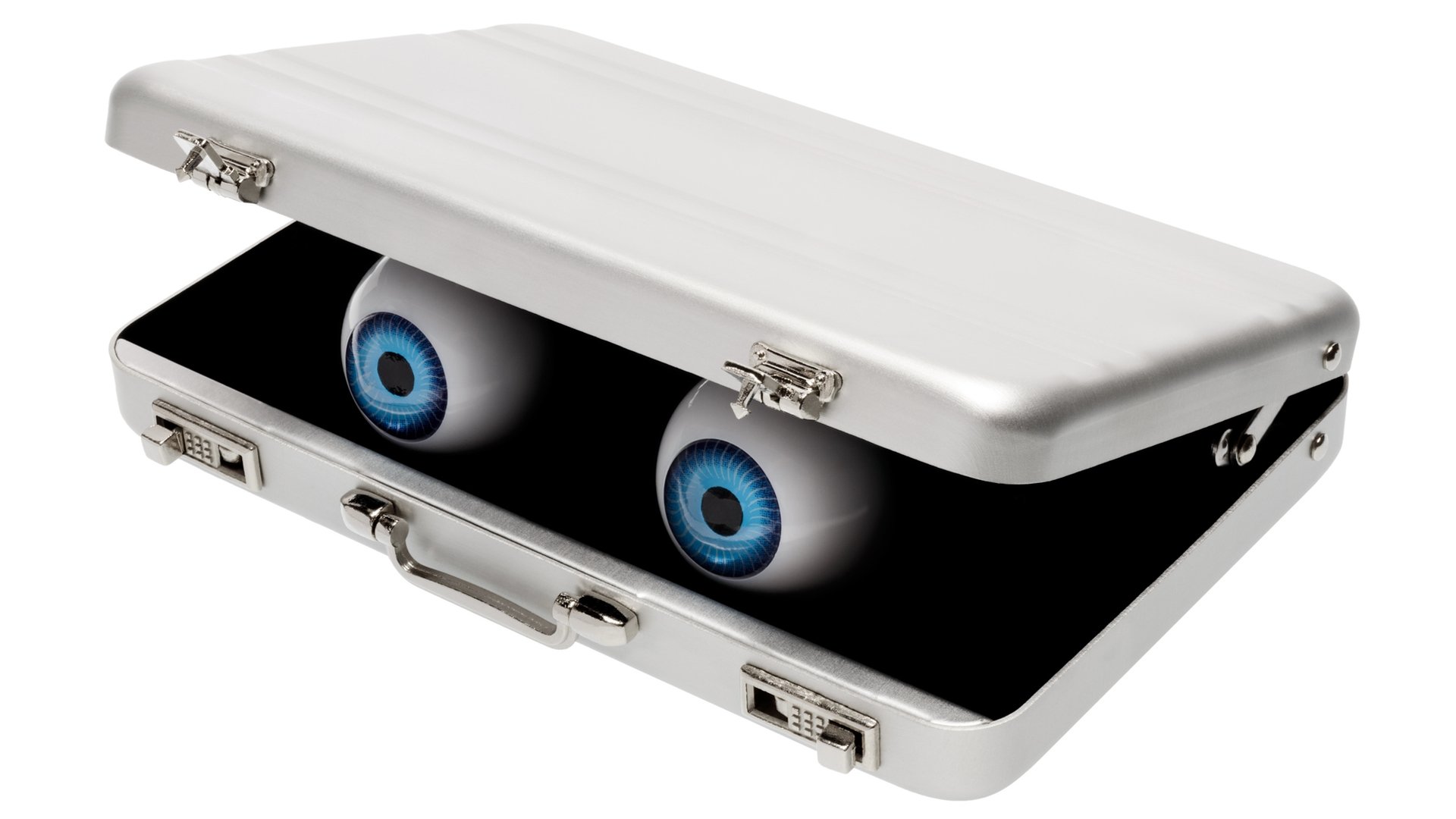
A Redditor has created 'Sparky,' an offline-capable AI chatbot housed in a suitcase, powered by an Nvidia Jetson Orin NS Super 16GB and running Google's Gemma 4 E4B model. The system demonstrates impressive edge computing capabilities with 200ms response times and 14-15 tokens/second throughput, highlighting the growing trend of powerful local AI processing.
A hobbyist AI enthusiast has developed a remarkable portable AI system that packs significant computing power into an unconventional form factor. Known as 'Sparky,' this suitcase-based chatbot leverages an Nvidia Jetson Orin NS Super 16GB module to run Google's Gemma 4 E4B language model entirely offline, demonstrating the increasing capabilities of edge computing devices.
The Sparky System Architecture
At the core of Sparky is the Nvidia Jetson Orin NS Super 16GB, a system-on-module (SoM) that combines an ARM CPU with an Nvidia GPU in a power-efficient package. The Orin NS variant delivers 40 TOPS of AI performance while maintaining a thermal design power (TDP) of just 15-25W, making it suitable for mobile applications without active cooling.
The system runs Google's Gemma 4 E4B model (4 billion parameters) quantized to Q4_K_M precision using llama.cpp. This configuration provides an optimal balance between model quality and performance on the Jetson hardware. The implementation uses q8_0 KV cache and flash attention techniques to maximize inference speed while maintaining reasonable memory usage.
Sparky achieves impressive performance metrics with a Time To First Token (TTFT) of approximately 200ms and sustained generation of 14-15 tokens per second. These figures place it among the faster edge AI systems available to consumers, rivaling much larger and more expensive industrial solutions.
Sensor Integration and Context Awareness
What distinguishes Sparky from other portable AI systems is its extensive sensor suite, which includes over 30 sensors providing environmental awareness. This array enables the system to gather contextual data about its surroundings, potentially informing its responses and interactions.
The human interface is particularly noteworthy, featuring googly eyes that provide visual feedback through a PixiJS-based face rendering system. The mouth animation updates at 43Hz, creating smooth speech synchronization. The audio processing pipeline uses SenseVoiceSmall for speech-to-text conversion and Piper for text-to-speech synthesis, creating a complete voice interaction system.
Technical Implementation Details
The software architecture reveals careful optimization for edge deployment. Gemma 4 E4B runs with a 12K context window, allowing for extended conversation memory. The system role is configured natively, enabling consistent personality traits that the creator describes as having "opinions." This character design approach represents an interesting departure from the typical neutral AI assistant persona.
User interaction is facilitated through multiple input methods, including a button row, joystick, and analog encoder knob. This combination provides both precise control and intuitive navigation, catering to different interaction preferences.
The creator notes that vision and OCR capabilities are now native to Gemma 4, suggesting potential for future enhancements in visual understanding and document processing without additional model overhead.
Market Implications and Edge Computing Trends
Sparky represents a significant milestone in the democratization of powerful AI systems. The Nvidia Jetson platform has evolved from a niche developer tool to a viable platform for consumer applications, with the Orin series bringing substantial performance improvements over previous generations.
The cost structure of such systems is becoming increasingly accessible. A Jetson Orin NS Super 16GB module retails for approximately $999, placing powerful AI processing within reach of individual developers and small companies. This contrasts sharply with enterprise AI solutions that previously required six-figure investments for comparable capabilities.
The trend toward edge AI is accelerating as companies recognize the limitations of cloud-dependent systems. Latency, privacy concerns, and connectivity issues all drive the need for local AI processing. Sparky's offline capability addresses these concerns directly, enabling AI interactions without network dependency.
Supply Chain Considerations
The components in Sparky reflect current supply chain realities in the semiconductor industry. The Jetson Orin NS leverages TSMC's 7nm manufacturing process, which remains widely available compared to more advanced nodes. This choice balances performance with manufacturing feasibility and cost.
Google's Gemma models, being open-weight and optimized for edge deployment, represent an important development in the AI ecosystem. They provide an alternative to proprietary models while maintaining competitive performance, particularly when properly quantized for target hardware.
The sensor ecosystem integrated into Sparky draws from mature industrial and consumer markets, with components readily available through standard distribution channels. This accessibility enables rapid prototyping and iteration, as demonstrated by the creator's development process.

Future Directions and Optimization Challenges
The creator's Reddit post seeking optimization hints reveals the ongoing challenges in edge AI deployment. Running large language models on resource-constrained hardware requires careful balancing of model size, quantization precision, and performance optimizations.
Potential improvements could include further quantization techniques, knowledge distillation to create smaller specialized models, or hybrid approaches that leverage cloud resources for non-time-sensitive tasks while maintaining local responsiveness for critical functions.
As edge AI continues to evolve, systems like Sparky may become increasingly common, appearing in various form factors beyond suitcases. The underlying technologies—power-efficient computing, optimized AI models, and rich sensor integration—will likely converge in consumer products, educational tools, and specialized industrial applications.
The development of Sparky demonstrates that powerful AI systems are no longer confined to data centers or high-end workstations. With the right combination of hardware, software optimization, and creative design, AI capabilities can be delivered in unexpected packages—quite literally in this case—bringing intelligent interaction to new environments and use cases.
Comments
Please log in or register to join the discussion