FreeBSD 15.1-RC1 introduces critical security patches discovered through AI-driven vulnerability research, including kernel use-after-free flaws, privilege escalation vulnerabilities, and remote code execution risks, ahead of the planned June release.
FreeBSD 15.1-RC1 Released: AI-Discovered Security Issues Addressed in Latest Release
FreeBSD has released the first release candidate of version 15.1, bringing with it a significant number of security fixes discovered through AI-driven vulnerability research tools. This release comes amid growing concerns about security vulnerabilities in operating systems and marks an interesting shift in how FreeBSD is addressing security challenges.
Security Landscape Evolution
The FreeBSD development team has faced an increasing number of security vulnerabilities in recent months, with AI/LLM-driven discovery tools now playing a prominent role in identifying potential weaknesses. This trend mirrors similar developments in the Linux ecosystem, where security researchers have increasingly turned to automated tools to find vulnerabilities.
FreeBSD 15.1-RC1 addresses security advisories FreeBSD-SA-26:19 through FreeBSD-SA-26:24, representing a coordinated effort to patch multiple critical issues discovered through these new research methodologies.
AI-Discovered Vulnerabilities
Several significant security issues were identified through AI-driven research:
Kernel Use-After-Free Vulnerability
The security research firm Calif.io discovered a kernel use-after-free vulnerability related to file descriptor system calls. This type of vulnerability can allow attackers to execute arbitrary code or cause system crashes by manipulating memory that has already been freed. The vulnerability was identified through automated analysis of kernel code paths.
Privilege Escalation via ptrace()
Researchers using GLM-5.1 from Z.ai identified missing validation in the ptrace(PT_SC_REMOTE) system call. This vulnerability allows unprivileged local users to escalate their privileges to root level, potentially gaining complete control over the system. The discovery highlights how AI models can analyze complex system interfaces to find subtle validation flaws.
Remote Code Execution in Installer
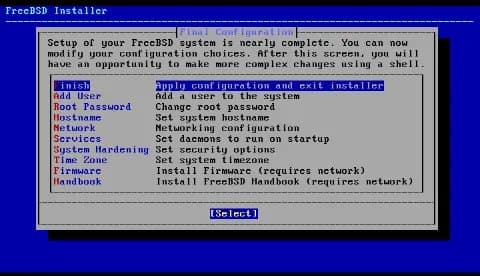
A particularly concerning vulnerability discovered affects the FreeBSD installer's WiFi access point scanning functionality. A suitably crafted network name could cause command execution via sub-shell when scanning for WiFi networks during the bsdinstall and bsdconfig processes. This represents a remote code execution vector that could be exploited during system installation.
AISLE Research Team Discoveries
The AISLE Research Team, which uses autonomous vulnerability discovery techniques, identified several additional issues:
Heap Overflow in FUSE File-System Code: An improper handling of memory allocation in the FUSE implementation could allow attackers to corrupt system memory.
select(2) File Descriptor Set Overflow: The select() system call contains a flaw that causes stack overflow when handling file descriptor sets, potentially leading to arbitrary code execution.
Incorrect libcap_net Limitation List Manipulation: A flaw in the capabilities system could extend permissions of processes beyond their intended limits.
Technical Improvements Beyond Security
While security fixes dominate this release, FreeBSD 15.1-RC1 also includes several non-security improvements:
- Enhanced fwget firmware tool with improved compatibility and reliability
- Various kernel bug fixes addressing performance and stability issues
- Updated man pages with improved documentation
- General system optimizations
Release Timeline and Future Considerations
FreeBSD 15.1-RC1 serves as a preview of what to expect in the final release, currently scheduled for June 2026. The development team expressed hope that no additional critical AI-detected security issues will emerge before the final release.
This release marks an interesting evolution in the FreeBSD development process, as the project increasingly incorporates AI-driven security research into its standard development workflow. The growing prevalence of AI-discovered vulnerabilities suggests that operating system vendors will need to adapt their security testing methodologies to keep pace with these new research tools.
The FreeBSD development team has not yet disclosed specific performance benchmarks for this release, but historically, FreeBSD releases have shown improvements in memory efficiency and I/O performance compared to previous versions.
For more information about FreeBSD 15.1-RC1, the official release announcement can be found on the FreeBSD mailing list.
Comments
Please log in or register to join the discussion