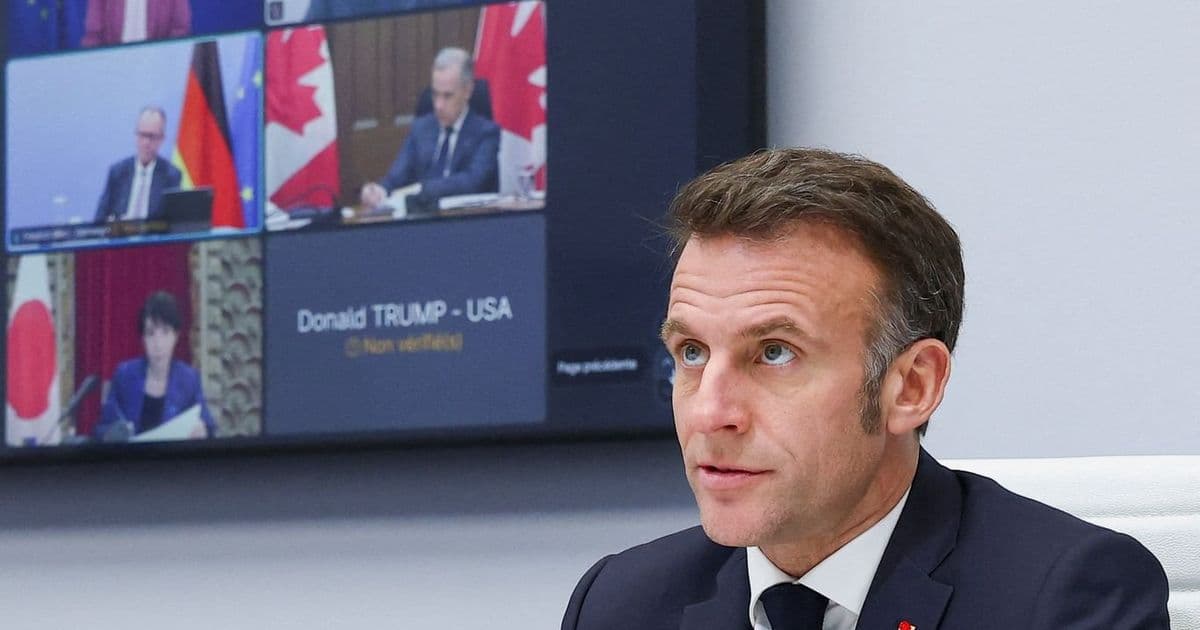
France proposes diplomatic solution to Lebanon conflict that would require Hezbollah to recognize Israel's right to exist
France is advancing a diplomatic proposal to end the ongoing conflict in Lebanon that includes a controversial requirement: Hezbollah and the Lebanese government would need to formally recognize Israel's right to exist as a condition for peace.
According to diplomatic sources familiar with the French initiative, the plan aims to address the root causes of the Lebanon-Israel tensions that have flared repeatedly over the past decades. The proposal comes as Lebanon faces severe economic crisis and political instability, with Hezbollah's military capabilities and Iran's influence creating ongoing security concerns for Israel.
Key Elements of the French Proposal
The French plan reportedly includes several interconnected components:
- A phased disarmament of Hezbollah's military wing, with fighters integrating into the Lebanese Armed Forces
- International monitoring of Lebanon's southern border with Israel
- Economic aid packages from Western nations conditional on diplomatic progress
- A timeline for establishing formal diplomatic relations between Lebanon and Israel
The recognition requirement represents a significant diplomatic hurdle, as Hezbollah has historically refused to acknowledge Israel's legitimacy and has maintained an armed presence along the border. The group receives substantial support from Iran and has positioned itself as a resistance movement against Israeli influence in the region.
Regional Implications
The proposal has sparked debate among regional powers. Saudi Arabia and other Gulf states have expressed cautious support, viewing it as a potential pathway to reduce Iranian influence in Lebanon. However, Iran has condemned the plan as a Western attempt to undermine resistance movements in the Middle East.
Israeli officials have not publicly commented on the French initiative, though sources suggest the government in Jerusalem would welcome any plan that reduces Hezbollah's military capabilities and establishes clearer borders.
International Context
The French diplomatic push comes amid broader efforts to stabilize the Middle East. The United States has been engaged in separate negotiations with Saudi Arabia regarding potential normalization with Israel, though those talks have stalled over Palestinian statehood issues.
European Union diplomats see the French proposal as complementary to wider regional stabilization efforts. "If Lebanon can achieve a sustainable peace with Israel, it could serve as a model for other conflict areas," said one EU official familiar with the discussions.
Challenges Ahead
Implementation faces numerous obstacles. Hezbollah maintains significant political power in Lebanon's parliament and would likely resist any plan requiring disarmament. The group's leadership has consistently framed its military wing as essential for defending Lebanon against Israeli aggression.
Additionally, domestic Lebanese politics remain deeply divided along sectarian lines, with Christian, Sunni, and Shia factions holding divergent views on relations with Israel. Any peace agreement would require broad political consensus that has proven elusive in recent years.
The French government has begun quietly consulting with key stakeholders, including the United States, Russia, and regional Arab states, to build support for the initiative. President Emmanuel Macron has made Middle East stabilization a priority of France's diplomatic agenda, seeing potential economic and security benefits for Europe in a more stable region.
Economic Dimensions
Beyond the security aspects, the French plan includes substantial economic incentives. Lebanon's economy has contracted by over 40% since 2019, with hyperinflation and banking sector collapse creating humanitarian crisis conditions. International financial institutions have indicated they would unlock billions in aid if credible political and security reforms are implemented.
The recognition clause extends beyond mere diplomatic acknowledgment. Sources indicate it would require Lebanon to establish trade relations, open embassies, and participate in regional economic initiatives currently excluding Israel.
Timeline and Next Steps
French diplomats aim to present a more detailed framework at the next United Nations General Assembly meeting in September. The proposal would then enter a consultation phase with Lebanese political leaders, Hezbollah representatives, and Israeli officials.
Success would require overcoming significant mistrust on all sides. Hezbollah views Israel as an existential threat, while many Israelis see Hezbollah as an Iranian proxy dedicated to Israel's destruction. Bridging this divide would represent one of the most significant diplomatic achievements in the region in decades.
The initiative reflects France's continued ambition to play a major diplomatic role in Middle Eastern affairs, leveraging its historical ties to Lebanon and its position as a permanent member of the UN Security Council. Whether this latest effort can succeed where others have failed remains one be seen, but the inclusion of the recognition requirement marks a bold new approach to a conflict that has defied resolution for generations.
Comments
Please log in or register to join the discussion