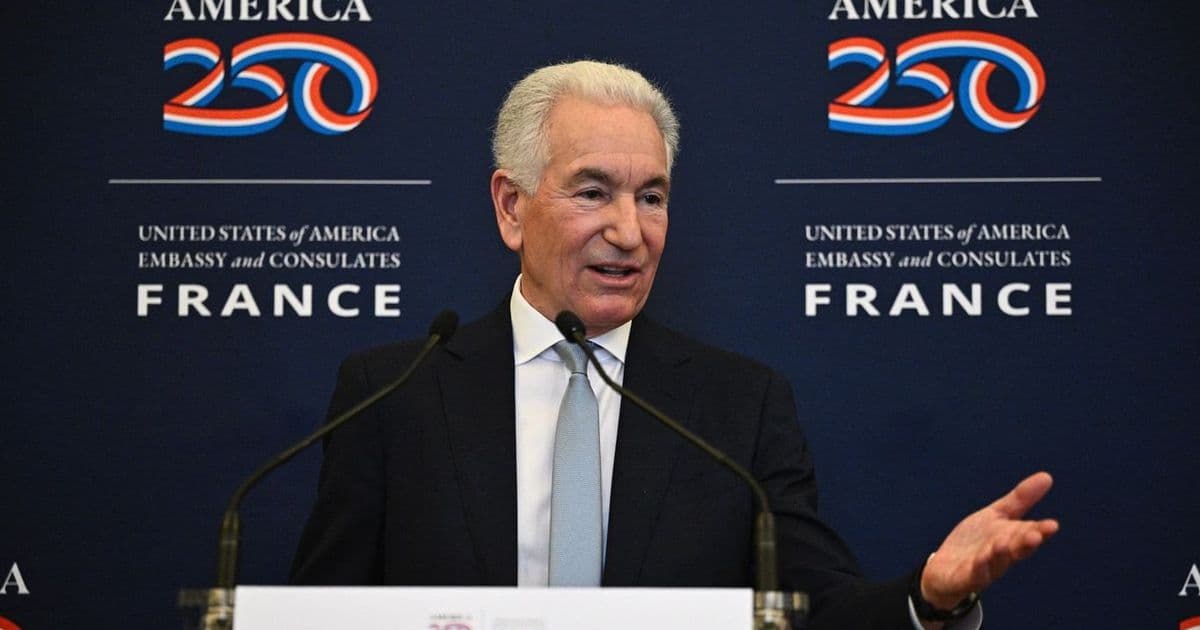
US Ambassador to France Charles Kushner faces diplomatic tensions as France rebukes his actions, adding to a series of controversies surrounding Trump administration ambassadors.
US Ambassador to France Charles Kushner has found himself at the center of yet another diplomatic controversy, as French officials have publicly rebuked his recent actions. This latest incident adds to a growing pattern of tensions surrounding Trump administration ambassadors, raising questions about diplomatic protocol and the administration's approach to international relations.
The French Rebuke
The French government's criticism of Ambassador Kushner comes amid concerns about his conduct and statements during his tenure. While specific details of the rebuke remain under diplomatic wraps, sources indicate it relates to Kushner's handling of certain diplomatic engagements and his perceived overstepping of traditional ambassadorial boundaries.
This is not the first time Kushner has faced scrutiny in his role. His appointment itself was controversial, given his family connections and lack of traditional diplomatic experience. The French rebuke represents a significant escalation in tensions, as such public criticism from a host nation is relatively rare and indicates serious concerns about an ambassador's performance.
Pattern of Ambassador Controversies
Kushner's situation is part of a broader pattern of controversies surrounding Trump administration ambassadors. Several appointees have faced criticism for their conduct, statements, or lack of qualifications for their posts. This has led to increased scrutiny of the ambassadorial appointment process and questions about the administration's diplomatic strategy.
Previous incidents have included ambassadors making politically charged statements, engaging in activities beyond their diplomatic remit, and facing allegations of conflicts of interest. These controversies have strained relationships with key allies and raised concerns about the consistency and professionalism of US diplomatic efforts.
Diplomatic Implications
The French rebuke of Ambassador Kushner carries significant diplomatic implications. France is one of America's oldest allies, and maintaining strong bilateral relations is crucial for addressing global challenges ranging from security to climate change. Public criticism from the French government suggests a breakdown in the usual diplomatic channels and could complicate cooperation on various fronts.
This incident may also affect the broader transatlantic relationship, as European allies watch closely how the US administration responds to such criticism. The handling of this situation could set precedents for how future diplomatic disagreements are managed and could influence perceptions of American diplomatic reliability.
Kushner's Background and Appointment
Charles Kushner's appointment as Ambassador to France was notable due to his background as a real estate developer and his familial connection to Jared Kushner, former senior advisor to President Trump. Critics argued that his lack of diplomatic experience made him ill-suited for the role, while supporters pointed to his business acumen and personal relationship with the President as qualifications.
Since taking office, Kushner has attempted to leverage his business background in diplomatic engagements, particularly in areas of economic cooperation and trade. However, this approach has sometimes clashed with traditional diplomatic protocols, leading to tensions with both the host country and career diplomats within the State Department.
Response from Washington
As of now, the Trump administration has not issued an official response to the French rebuke. This silence could be interpreted in various ways – as a calculated diplomatic move to de-escalate tensions, or as a sign of internal disagreements about how to handle the situation. The administration's eventual response will be closely watched by diplomatic observers and could signal its priorities in managing allied relationships.
Looking Ahead
The controversy surrounding Ambassador Kushner raises important questions about the future of US diplomacy under the current administration. Will there be changes in how ambassadors are selected and managed? How will the administration balance loyalty to appointees with the need to maintain strong international relationships?
As diplomatic tensions continue to simmer, the effectiveness of US foreign policy may depend on finding the right balance between the administration's distinctive approach and the established norms of international diplomacy. The resolution of the Kushner controversy could provide insights into how this balance will be struck in the months ahead.
The situation remains fluid, and further developments are expected as both the US and French governments navigate this diplomatic challenge. The outcome could have lasting implications for the role of ambassadors in the Trump administration and the broader conduct of American diplomacy on the world stage.
Comments
Please log in or register to join the discussion