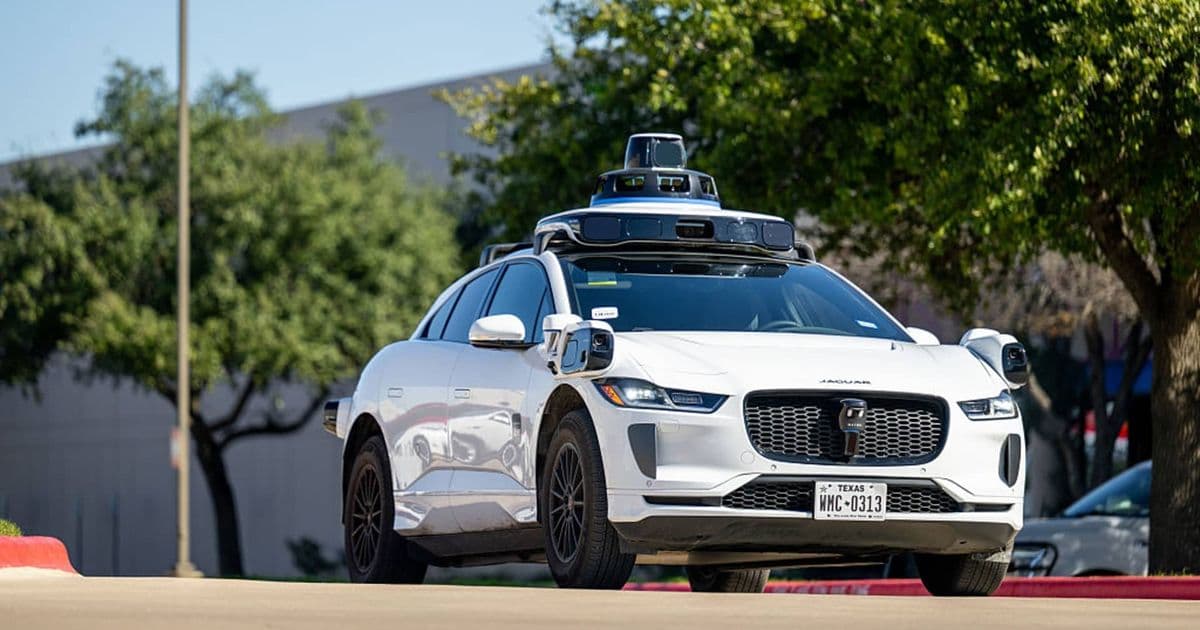
Alphabet's autonomous vehicle unit Waymo is launching its robotaxi service in Dallas, Houston, San Antonio, and Orlando, marking its expansion to 10 US cities and signaling growing confidence in its self-driving technology.
Alphabet's Waymo is significantly expanding its autonomous vehicle operations by launching robotaxi services in four new US cities: Dallas, Houston, San Antonio, and Orlando. This expansion brings Waymo's total operational footprint to 10 cities across the United States, marking a major milestone in the company's mission to deploy self-driving technology at scale.
The rollout, announced on February 24, 2026, will initially be available to "select riders" in these new markets, following Waymo's typical phased approach to market entry. The company has been gradually expanding its robotaxi service since first launching commercial operations in Phoenix, Arizona in 2018.
Strategic Market Selection
Waymo's choice of these four Texas and Florida cities represents a strategic push into some of America's largest metropolitan areas. Dallas-Fort Worth, Houston, and San Antonio form a significant population center in Texas, while Orlando serves as a major tourist destination in Florida. These markets offer different challenges and opportunities for autonomous vehicle deployment.
Texas, in particular, has been courting autonomous vehicle companies with favorable regulatory environments. The state has passed legislation supporting self-driving vehicle testing and deployment, making it an attractive location for companies like Waymo to expand their operations.
Technology and Safety Considerations
The expansion comes as Waymo continues to refine its autonomous driving technology. The company uses a fleet of all-electric Jaguar I-PACE vehicles equipped with an array of sensors, including lidar, radar, and cameras, to navigate complex urban environments. Waymo's vehicles are designed to operate without human drivers, though safety drivers are typically present during initial testing phases in new markets.
Safety remains a paramount concern for autonomous vehicle deployment. Waymo has reported millions of miles driven without human intervention, though the company faces ongoing scrutiny about how its vehicles handle edge cases and unusual traffic situations. The expansion to new cities will test the system's ability to adapt to different driving cultures, weather conditions, and urban layouts.
Competitive Landscape
The expansion positions Waymo as a leader in the autonomous vehicle space, ahead of competitors like Cruise (owned by General Motors), Tesla's Full Self-Driving system, and various other startups working on self-driving technology. However, the robotaxi market remains highly competitive, with multiple companies vying for market share in what is expected to become a multi-billion dollar industry.
Recent developments in the autonomous vehicle sector have been mixed. While Waymo has continued to expand, other companies have faced setbacks. Cruise, for instance, paused its operations in 2023 following a high-profile accident in San Francisco, though it has since begun limited operations again.
Economic and Urban Impact
The deployment of robotaxis in these new cities could have significant economic implications. The technology promises to reduce transportation costs, improve mobility for elderly and disabled populations, and potentially reduce traffic congestion and emissions. However, it also raises questions about the future of human taxi and ride-hail drivers.
Cities are also grappling with how to integrate autonomous vehicles into their transportation infrastructure. Issues such as parking, traffic management, and emergency response protocols for driverless vehicles are all being addressed as the technology becomes more widespread.
Future Expansion Plans
Waymo has indicated that this expansion is part of a broader strategy to bring autonomous vehicles to more cities across the United States. The company has been testing in various locations and has expressed interest in expanding to additional markets as technology and regulatory environments permit.
The success in these four new cities could pave the way for further expansion into other major metropolitan areas. Waymo's approach of starting with select riders allows the company to gradually scale its operations while maintaining control over the user experience and safety protocols.
Industry Implications
Waymo's expansion comes amid broader developments in the autonomous vehicle industry. The company's progress stands in contrast to some challenges faced by other players in the space. For instance, recent reports have highlighted the difficulties some AI developers face in building models to extract high-quality training data from complex document formats like PDFs.
Meanwhile, the broader tech industry continues to see significant investment in AI and autonomous technologies. Meta's recent $100 billion+ deal to acquire AMD Instinct GPUs, potentially giving the company up to 10% ownership in AMD, underscores the massive computing resources being deployed to advance AI capabilities that could eventually benefit autonomous systems.
Regulatory Environment
The expansion also reflects the evolving regulatory landscape for autonomous vehicles. While federal guidelines exist, much of the regulation occurs at the state and local level. Waymo has worked closely with regulators in each market to ensure compliance with local laws and safety standards.
The company's expansion into Texas and Florida, states with generally supportive regulatory environments for autonomous vehicles, contrasts with more restrictive approaches in some other states. This regulatory variation continues to shape the geography of autonomous vehicle deployment across the country.
Public Reception
Public acceptance remains a crucial factor in the success of autonomous vehicle services. Waymo has generally received positive feedback from users in existing markets, with many praising the convenience and safety of the service. However, concerns about job displacement, safety, and the technology's readiness for widespread deployment persist among some segments of the population.
The expansion to new cities will provide additional data on public reception and usage patterns, helping Waymo refine its service and address any concerns that arise in different markets.
Technical Infrastructure
The deployment in new cities requires significant technical infrastructure. Waymo needs to map each new area in detail, establish maintenance facilities, and set up operations centers to monitor vehicle performance and respond to any issues. The company's ability to efficiently deploy this infrastructure will be crucial to the success of its expansion.
Each new city presents unique challenges, from different weather patterns to varying traffic patterns and road designs. Waymo's technology must be robust enough to handle these variations while maintaining safety and reliability standards.
Long-term Vision
Waymo's expansion represents a step toward its long-term vision of ubiquitous autonomous transportation. The company sees robotaxis as just the beginning, with potential applications in freight, public transit, and other transportation sectors. The data and experience gained from operating in diverse urban environments will be valuable as the company pursues these broader applications.
The expansion to 10 cities marks significant progress toward this vision, though many challenges remain in terms of technology development, regulatory approval, and public acceptance. As Waymo continues to grow its footprint, it will likely face increasing scrutiny and competition, making execution and safety paramount to its continued success.
Comments
Please log in or register to join the discussion