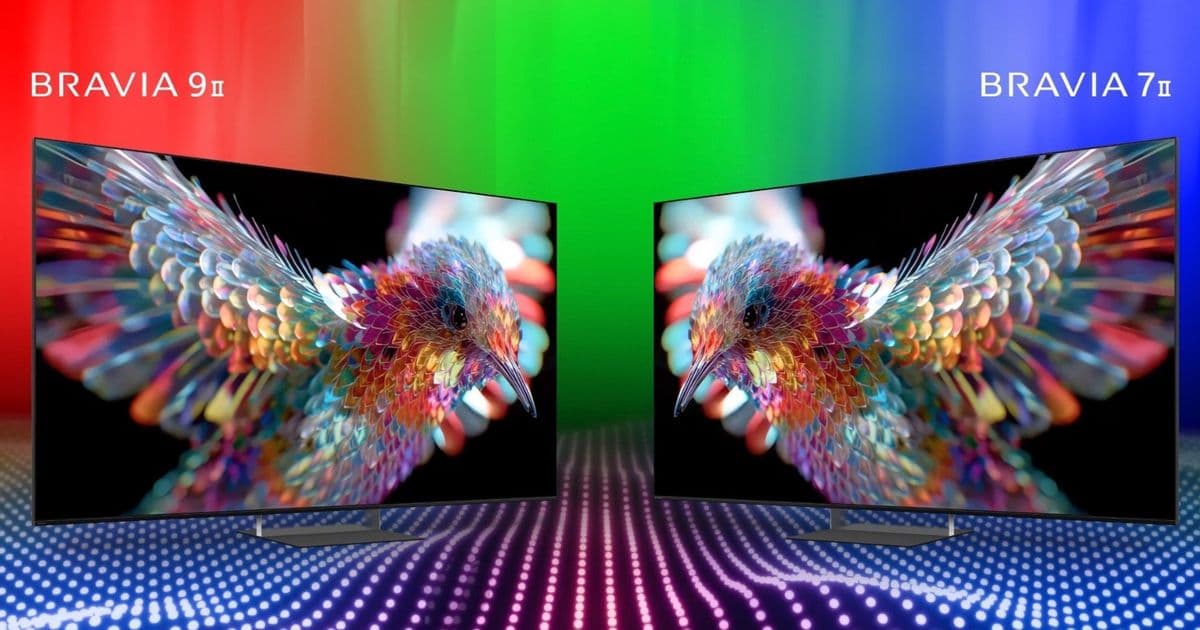
A recent leak reveals Sony’s next‑generation Bravia 9 II and 7 II OLED‑backlit displays, both featuring the new RGB Backlight Master Drive Pro and X‑Wide Angle technology, alongside a modular speaker lineup that promises Dolby Atmos and DTS X support. Specs, size options, and how they stack up against the Bravia 3 II are examined.
Sony’s upcoming high‑end Bravia line and modular audio kit
A video posted by a regional Sony partner and captured by High Def News has surfaced on X, showing the first look at Sony’s next flagship TV and home‑theatre hardware. The leak introduces two new Bravia models – the Bravia 9 II and Bravia 7 II – and a suite of audio products ranging from a compact soundbar to a full‑blown multi‑subwoofer system.
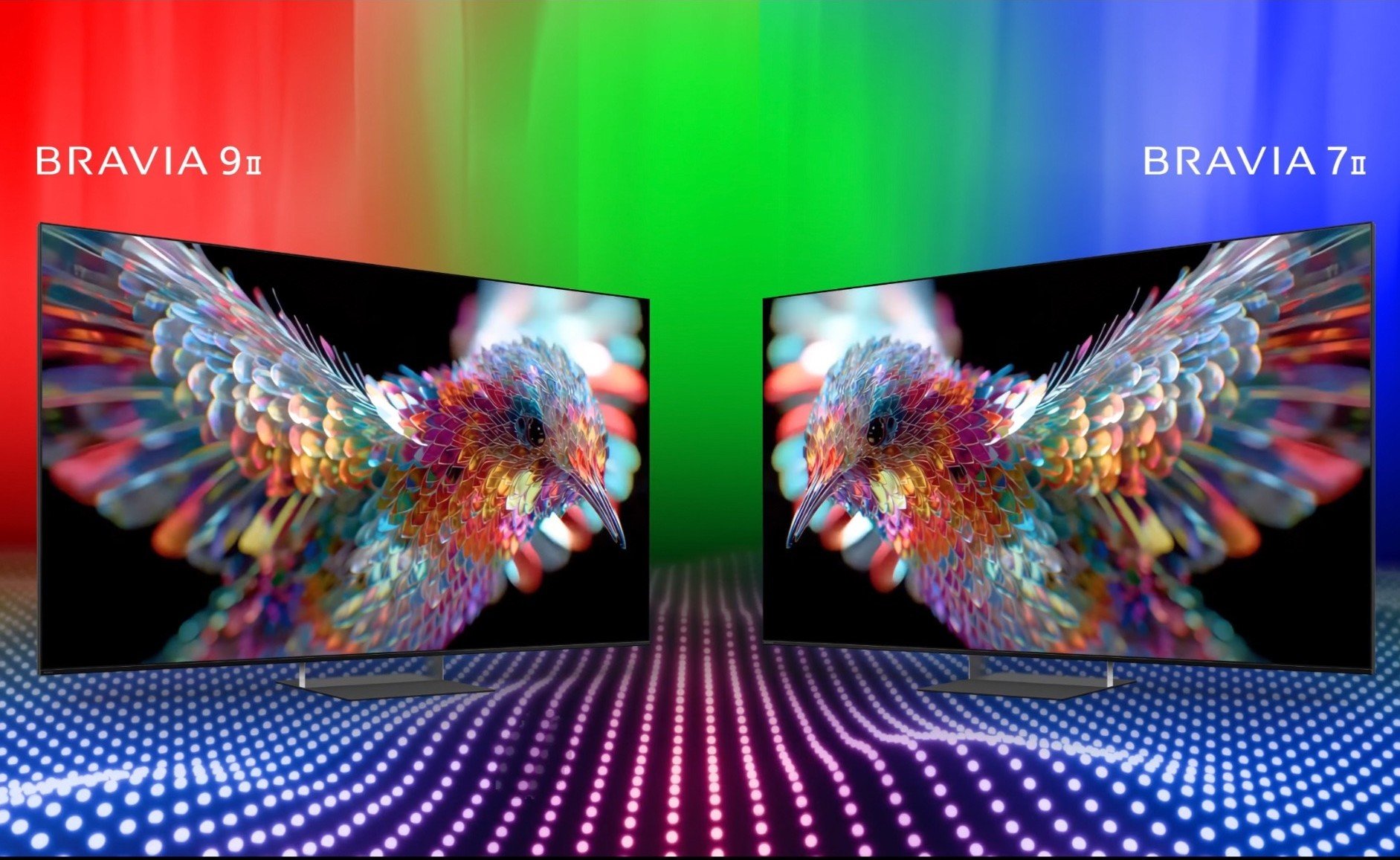
What’s new on the TV side?
| Feature | Bravia 9 II | Bravia 7 II | Bravia 3 II (2025) |
|---|---|---|---|
| Max screen size | 115 in (292 mm) | 98 in (249 mm) | 100 in (254 mm) |
| Panel type | RGB LED panel with Backlight Master Drive Pro | Same as 9 II | RGB LED panel (first‑gen Backlight Master Drive) |
| Brightness claim | Unconfirmed – rumours of up to 5 000 nits | Same as 9 II | 2 200 nits (typical) |
| Colour accuracy | Sony says "enhanced" via proprietary drive | Same as 9 II | ΔE<2 (CalMAN) |
| Viewing angles | X‑Wide Angle Pro – claimed minimal shift even in daylight | Same as 9 II | Standard wide‑angle panel |
| Smart platform | Android TV 13 with built‑in Google Gemini features | Same | Android TV 12 |
| Cable management | Integrated rails on rear chassis | Same | No dedicated rails |
| Expected price | Likely > €8 000 for 115 in | Likely > €6 500 for 98 in | €4 200 for 100 in (2025 launch) |
The most visible change is the Backlight Master Drive Pro – a proprietary Sony controller that modulates each RGB LED zone independently. In theory, this should tighten local dimming, improve peak luminance, and reduce blooming. The accompanying X‑Wide Angle Pro tech promises a flatter colour shift curve, meaning the picture stays consistent when viewed from the side, a claim that matters for large‑screen living rooms.
The leak does not confirm the rumored 5 000‑nit peak, but if Sony can hit that level, the 9 II would outshine most competing QD‑OLEDs, which typically top out around 2 500 nits. Even without the extreme brightness, the larger panel and improved dimming could give the 9 II a clear edge over the Bravia 3 II and against rivals such as the LG OLED G3 and Samsung’s Neo QLED Quantum Mini‑LED 8K.
How the audio lineup expands the ecosystem
Sony is bundling the new TVs with a modular speaker system that can be mixed and matched:
- Bravia Theatre Trio – three‑speaker surround set that mounts around the TV. Sony markets it as a 360° sound source.
- Bravia Theatre Bar 7 and Bar 5 – soundbars with nine and five individual drivers respectively, both supporting Dolby Atmos and DTS X.
- Bravia Theatre Sub 9 / 8 / 7 – floor‑standing subwoofers with varying power outputs (up to 300 W RMS for the Sub 9).
- Bravia Theatre Rear 9 / 8 – rear‑channel speakers that can be wall‑mounted for true surround.
- Bravia Theatre Sub‑Connect – a hub that allows multiple subs to be linked, a feature missing from Sony’s previous line.

All speakers are calibrated via the Sony Audio Center app, which runs on Android TV and can auto‑tune the system to the room’s acoustics using the TV’s built‑in microphones. The bar models carry Dolby Atmos and DTS X certifications, while the rear and sub units are marketed as “IMAX Enhanced” when the full set is installed.
How the new Bravia models compare to the competition
| Metric | Bravia 9 II | Bravia 7 II | LG OLED G3 (2025) | Samsung Neo QLED 8K (2025) |
|---|---|---|---|---|
| Peak brightness (claimed) | up to 5 000 nits (rumour) | up to 5 000 nits (rumour) | 2 200 nits | 3 000 nits |
| Panel tech | RGB LED + Backlight Master Drive Pro | Same | OLED + Evo | Neo QLED Mini‑LED |
| Local dimming zones | 2 560 (estimated) | 2 560 | 2 880 | 4 000 |
| Colour gamut | DCI‑P3 99 % | DCI‑P3 99 % | DCI‑P3 98 % | DCI‑P3 95 % |
| HDR support | HDR10, Dolby Vision, HLG | Same | HDR10, Dolby Vision, HLG | HDR10+, HDR10, HLG |
| Smart OS | Android TV 13 + Gemini | Same | webOS 23 | Tizen 7 |
| HDMI ports | 4× HDMI 2.1 (eARC) | Same | 4× HDMI 2.1 | 4× HDMI 2.1 |
| Price (expected) | €8 500‑€12 000 | €6 500‑€9 000 | €4 800‑€7 200 | €6 200‑€10 000 |
While the LG OLED G3 still holds the lead for absolute black levels, Sony’s backlight approach could close the contrast gap at high brightness, making the Bravia 9 II a more versatile choice for bright rooms. Samsung’s Neo QLED line remains the benchmark for peak luminance, but Sony’s claim of “minimal loss under direct daylight” suggests a more uniform screen surface, which could be advantageous for large‑format installations.
Who should consider these new Sony products?
- Home‑cinema enthusiasts who already own a high‑end projector or large‑screen TV and want a seamless, all‑Sony ecosystem. The integrated cable‑management rails and unified Android TV platform simplify installation.
- Living‑room gamers seeking low‑input‑lag, high brightness, and Dolby Vision support. The rumored 5 000‑nit peak would keep HDR highlights visible even with a bright ambient light.
- Audiophiles who want a modular, Atmos‑capable sound system without committing to a full‑blown AV receiver. The ability to add multiple subs and rear speakers gives flexibility for different room sizes.
- Professional installers who need a single‑vendor solution that can be scaled from a simple bar to a 7.1‑plus setup, all managed through a single app.
If you are looking for a more budget‑friendly OLED experience, the Bravia 3 II or competing LG models remain attractive. However, for a flagship‑level picture that can handle daylight and a fully integrated Atmos soundscape, the Bravia 9 II and its companion audio kit set a new benchmark for Sony’s premium home‑theatre line.
Sources: High Def News posts on X and YouTube (see links in the original leak).
Comments
Please log in or register to join the discussion