
Samsung Electronics reached a deal with its semiconductor unions to award an average bonus of 600 million won ($400,000) per worker, averting a strike that could have disrupted global AI chip supply. The payout reflects record earnings from AI‑related memory sales and highlights the growing leverage of labor in South Korea’s high‑tech sector, while also underscoring the limited spill‑over of such bonuses to other industries.
Samsung’s $400,000 bonus deal ends a month‑long standoff
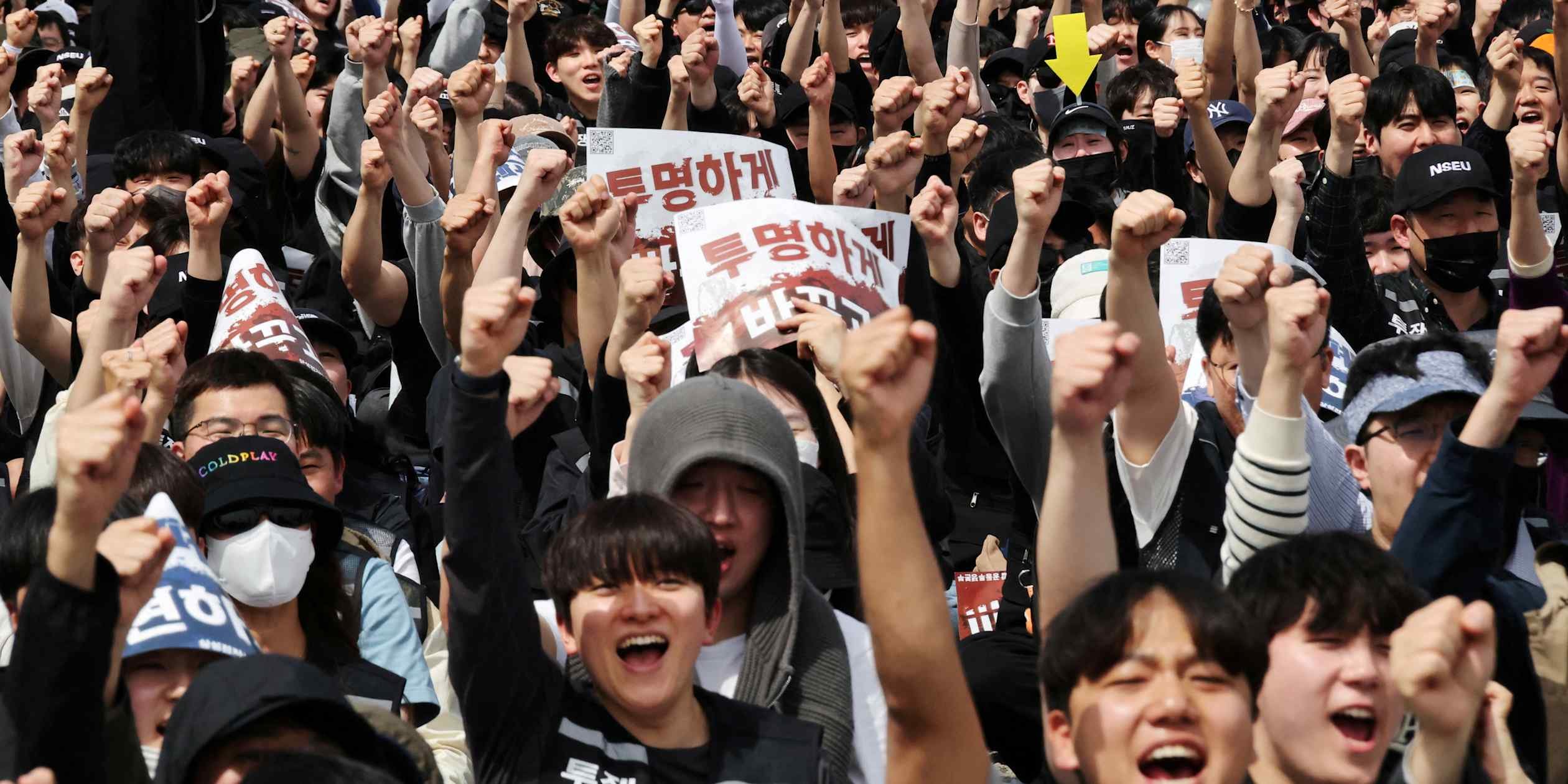
Tens of thousands of Samsung Electronics semiconductor staff will receive an average bonus of 600 million won (about $400,000) after the company’s management and labor unions settled a dispute that threatened a full‑scale strike at the Pyeongtaek plant. The agreement, announced on May 27, 2026, comes after weeks of rallies and a threatened work stoppage that could have constrained the supply of AI‑optimized DRAM and NAND chips.
Market context: AI demand fuels record earnings
Samsung’s semiconductor division posted KRW 48.2 trillion in operating profit for Q1 2026, a 78 % year‑over‑year increase, driven primarily by soaring demand for high‑bandwidth memory used in generative‑AI servers. The company’s memory shipments rose to 115 million units, up from 68 million a year earlier, pushing its market share in AI‑grade DRAM to 23 %.
South Korea’s chip sector has become the epicenter of the AI hardware boom. SK Hynix, Samsung’s chief rival, recently entered the “trillion‑won club” with Q1 earnings of KRW 1.2 trillion, also tied to AI‑related memory sales. The surge in profits has allowed both firms to offer unprecedented worker bonuses, a rarity in a country where labor‑management negotiations are traditionally modest.
Why the bonus matters for the broader industry
Labor bargaining power rises – The size of the payout signals that unions can now negotiate directly on the back of AI‑driven profit spikes. If future AI demand continues to lift earnings, we may see more frequent premium bonuses in the semiconductor segment, potentially raising labor costs for chip manufacturers.
Supply‑chain stability – By averting a strike, Samsung secured the continuity of its Pyeongtaek fab, which produces roughly 30 % of the world’s AI‑grade DRAM. A disruption would have tightened an already constrained memory market, likely pushing spot prices higher and affecting downstream AI‑chip makers such as Nvidia and AMD.
Limited spill‑over to other sectors – Analysts note that the bonus is tied specifically to the AI‑fuelled profit surge in semiconductors. Other Korean industries, including shipbuilding and automotive, have not seen comparable earnings growth and therefore are unlikely to adopt similar bonus structures in the near term.
Signal to investors – The agreement demonstrates Samsung’s confidence in sustained AI demand. Shareholders responded positively, with Samsung Electronics’ stock gaining 1.4 % on the news, while the broader KOSPI index edged up 0.6 %.
Strategic implications for Samsung and its rivals
- Retention and talent acquisition – The hefty bonus helps Samsung retain skilled engineers in a market where talent is scarce and poaching is common. Competitors may need to match or exceed such incentives to avoid losing key staff.
- Cost‑pass‑through to customers – Higher labor expenses could be reflected in slightly higher memory pricing, especially if the AI boom continues to outpace supply. However, Samsung’s scale gives it room to absorb some of the cost without fully passing it on.
- Future negotiation templates – The deal could become a benchmark for future labor talks in high‑margin tech sectors, prompting unions to demand performance‑linked bonuses rather than flat wage increases.
Bottom line
Samsung’s $400,000 average bonus marks a watershed moment for South Korea’s semiconductor labor market, linking worker compensation directly to AI‑driven profitability. While the payout is unlikely to spread beyond the chip sector, it sets a precedent for how high‑margin tech firms may balance labor relations with the need to keep supply chains resilient amid soaring AI demand.
Comments
Please log in or register to join the discussion