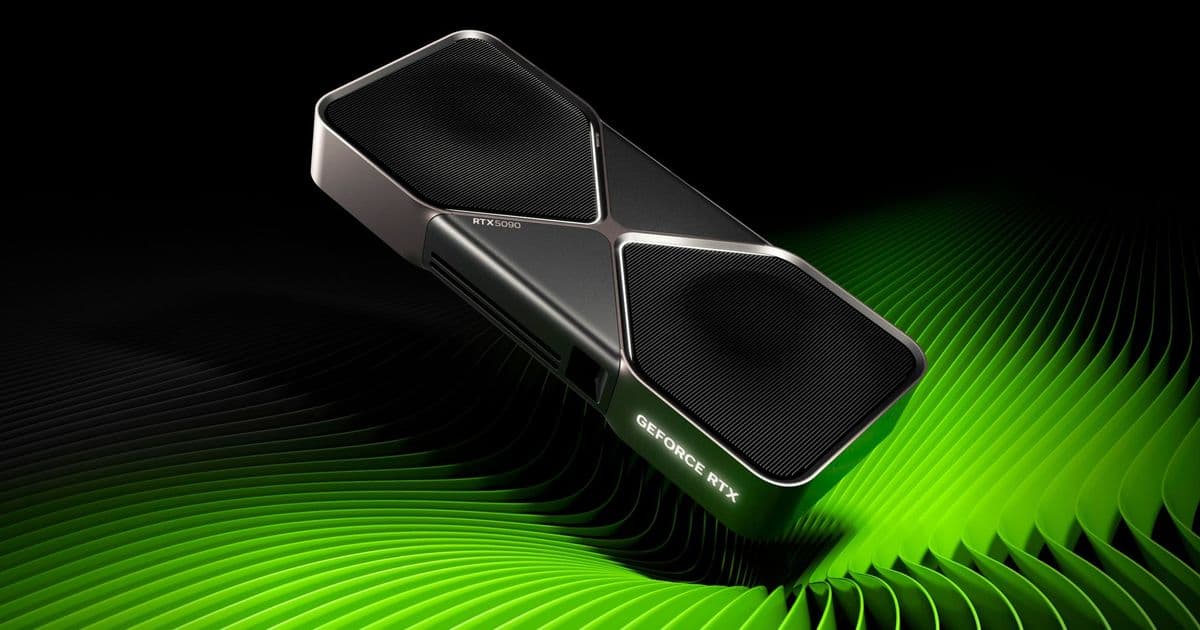
French hardware retailer LDLC offers defective RTX 5090 GPUs damaged during transport for $1,760-$2,000, targeting professional repair specialists amid ongoing GPU shortages and high market prices.
The global semiconductor supply chain continues to create unusual market dynamics as French retailer LDLC capitalizes on transport-damaged RTX 5090 GPUs, offering them at approximately half their current market price. With RTX 5090 cards commanding prices upwards of $3,500 due to component shortages, LDLC's listings for defective units represent a unique opportunity for repair specialists despite the inherent risks.
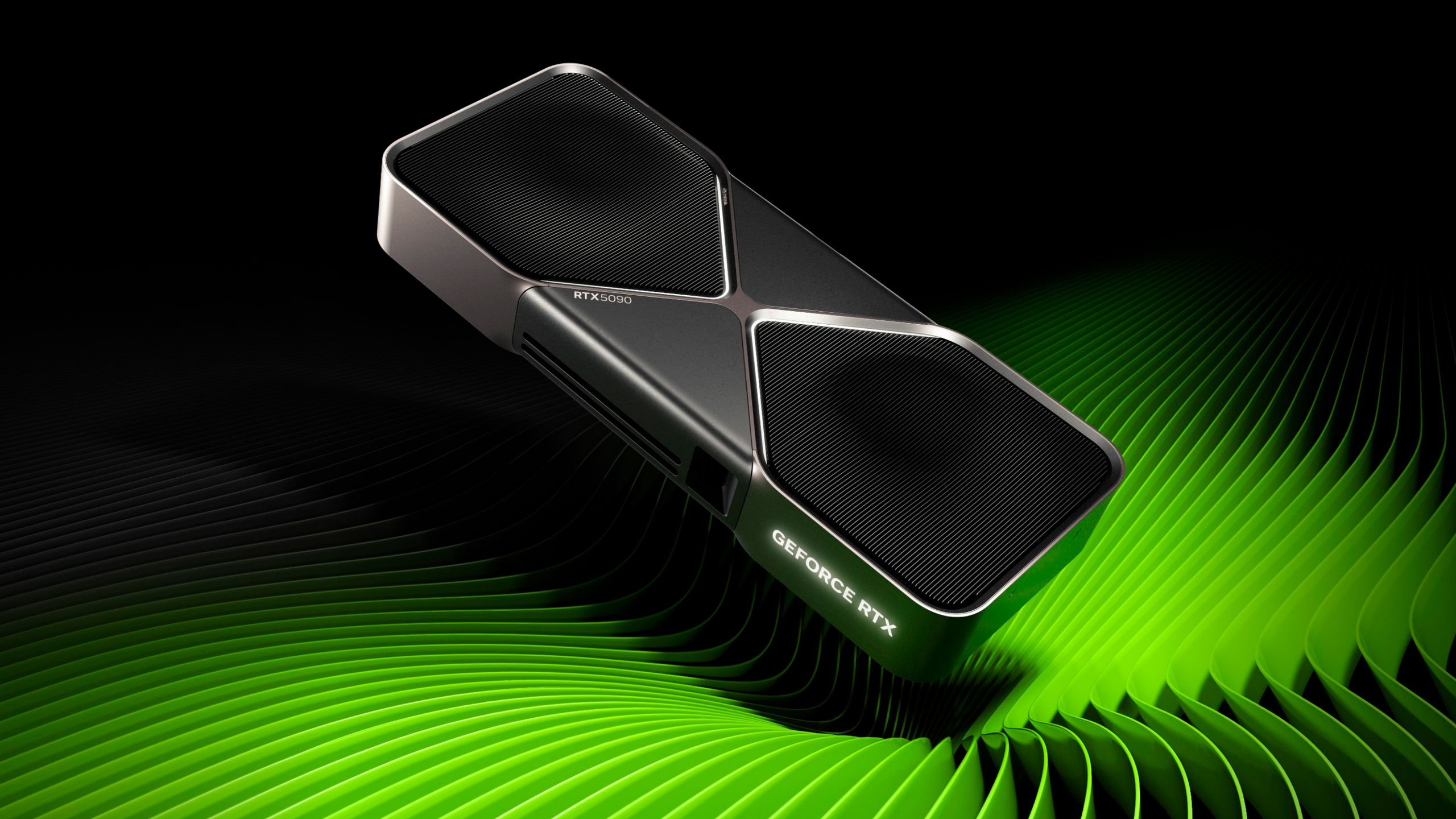
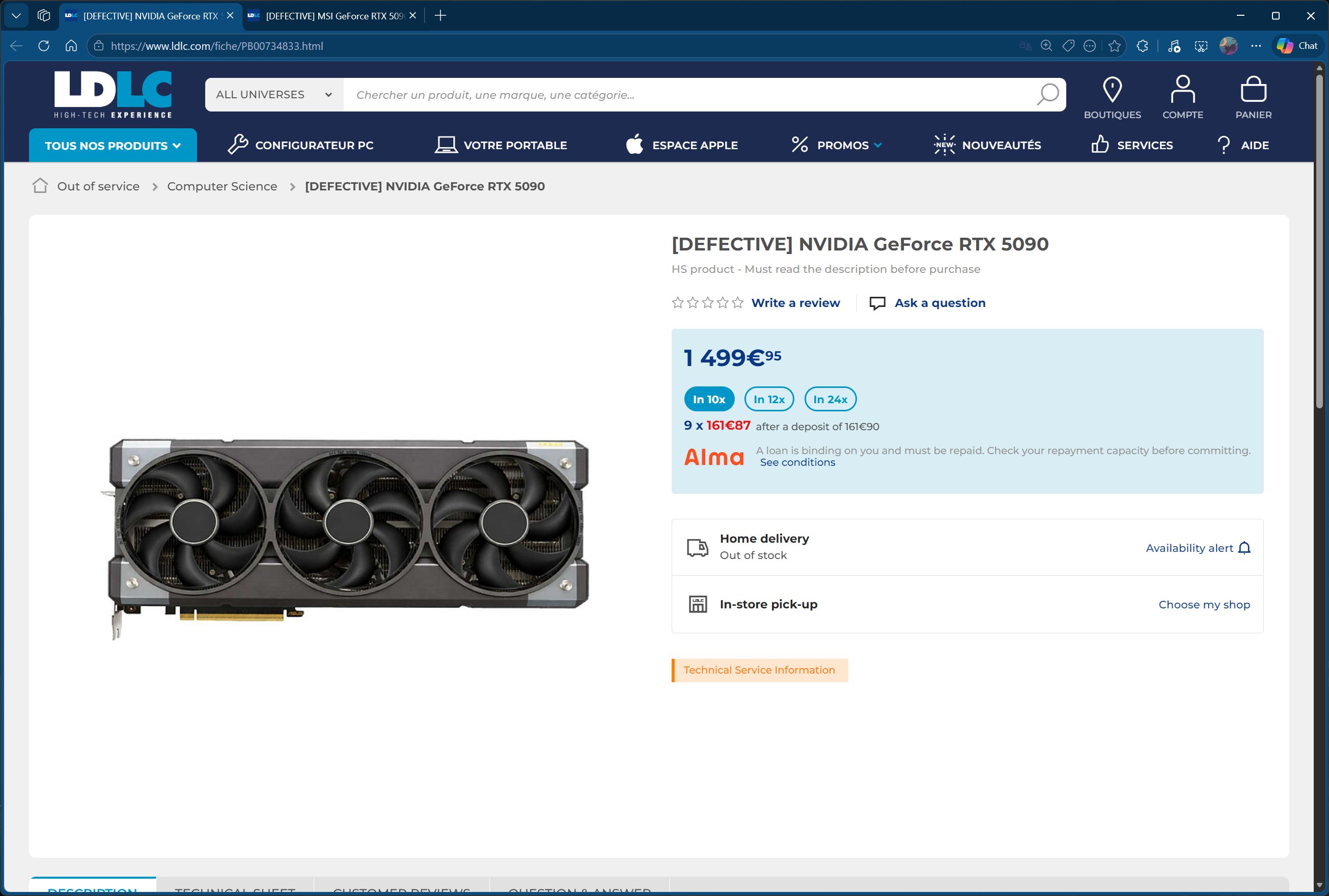
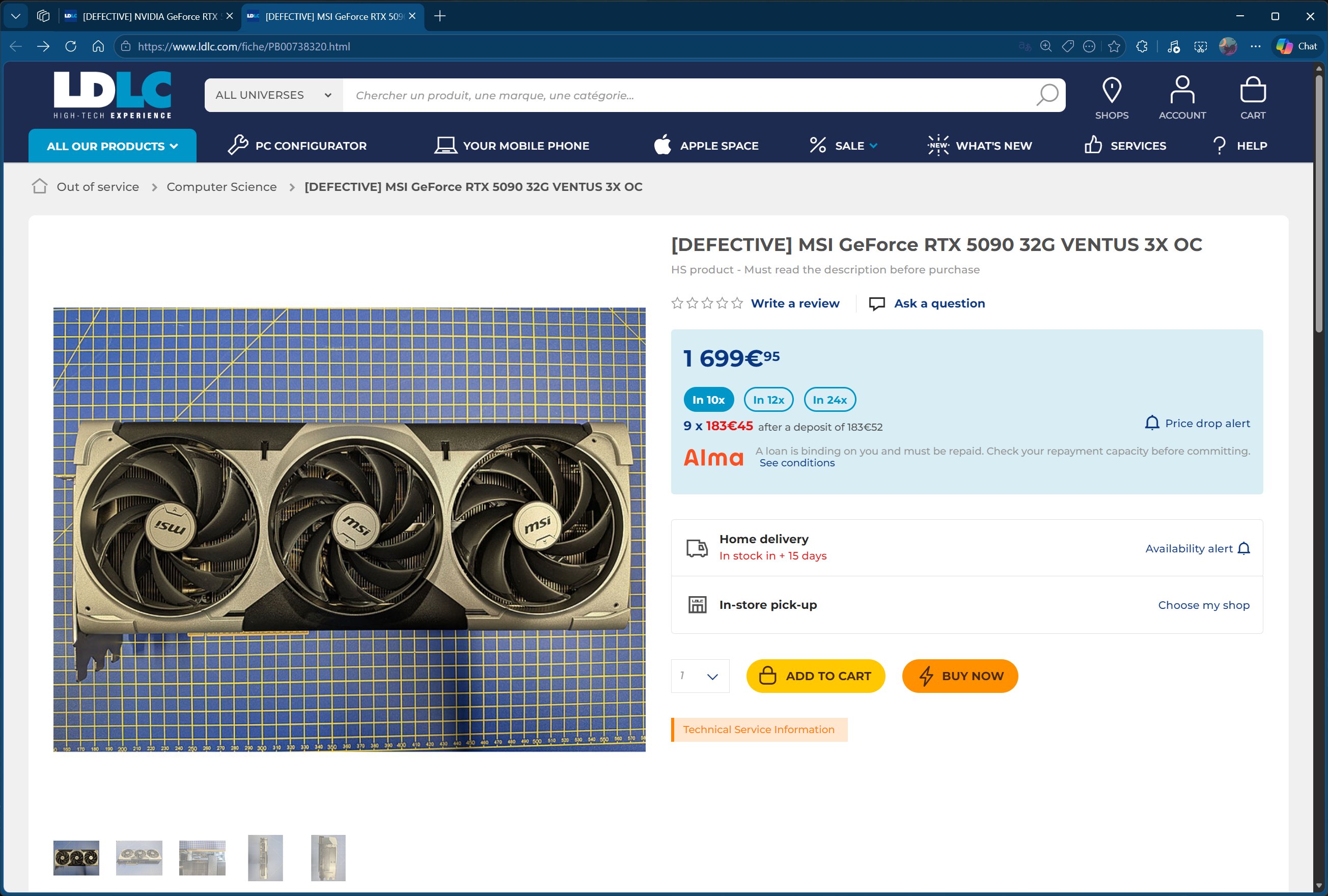
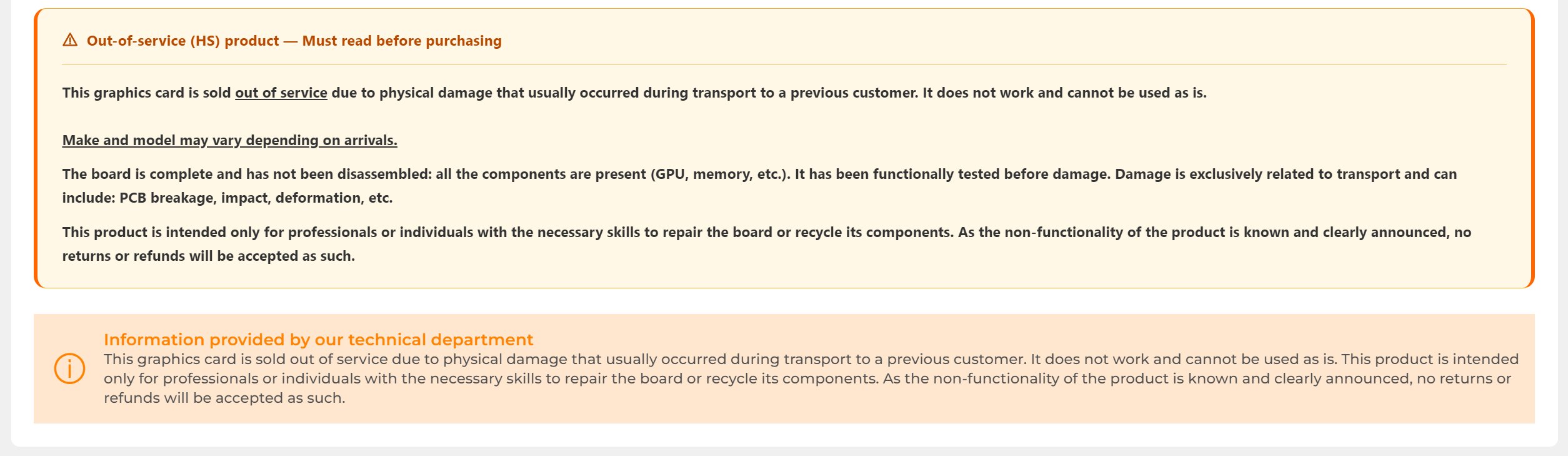
The retailer, which is France's most popular PC hardware vendor, has established two separate listings for non-functioning RTX 5090 units. The first offers a generic "[DEFECTIVE] NVIDIA GeForce RTX 5090" at €1,499.95 (approximately $1,760), while the second specifically lists an MSI Ventus 3X OC variant at €1,699.95 (nearly $2,000). Both listings explicitly state that the cards are "out of service" with no warranty coverage or support, having been tested and confirmed non-functional due to transport-related damage.
Technical specifications of the RTX 5090 reveal why these damaged units still hold value. Built on TSMC's 4N process node, the flagship GPU features 28,896 CUDA cores across 72 streaming multiprocessors, with a boost clock reaching 2.76 GHz. The architecture incorporates GDDR6X memory with a 384-bit memory interface, delivering 1.0 TB/s of bandwidth. These specifications place the RTX 5090 at approximately 60% faster than its predecessor, the RTX 4090, according to Nvidia's internal benchmarks.
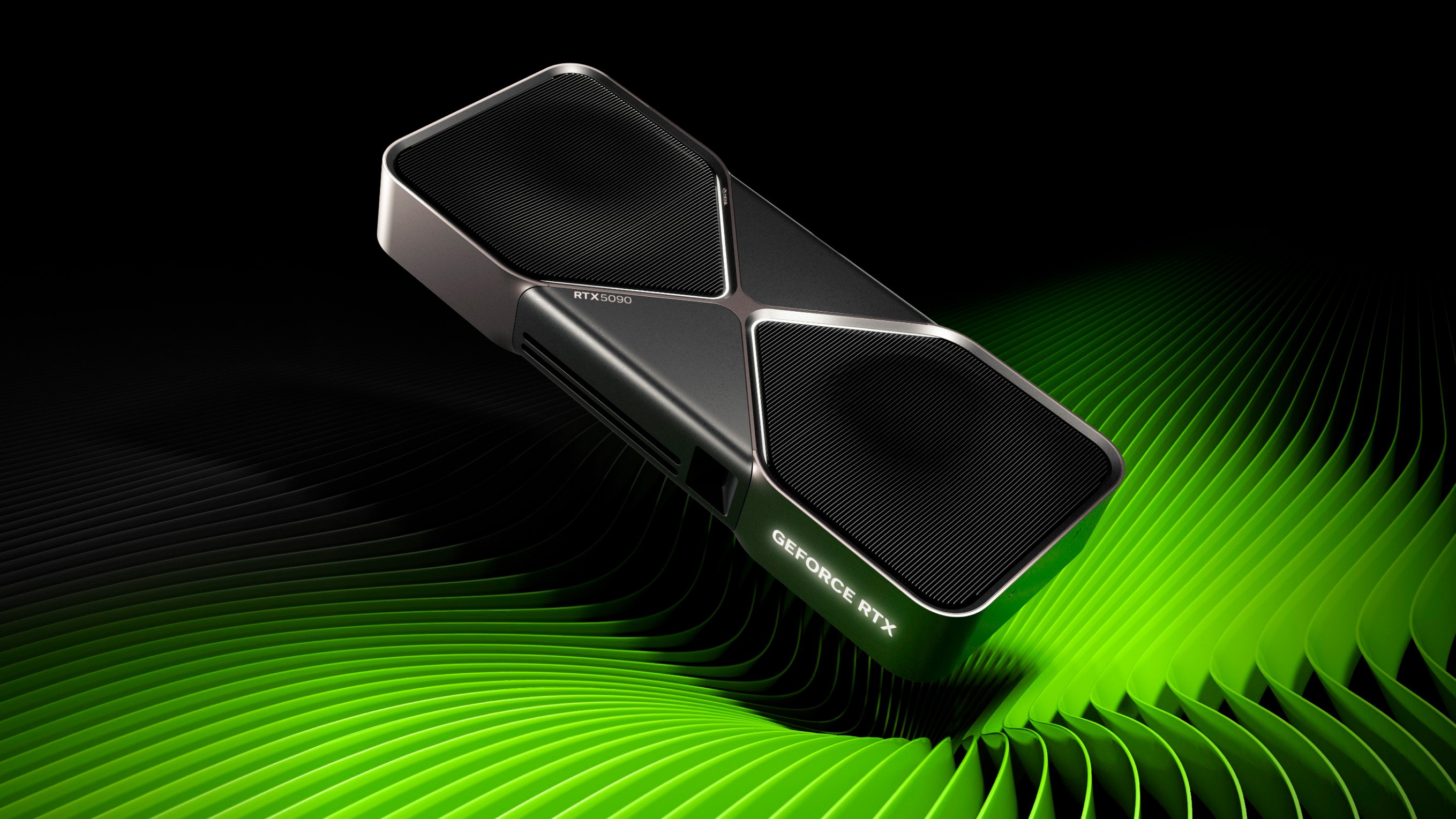
The transport damage affecting these units primarily manifests as PCB breakage or deformation, which can compromise critical components. Despite their non-functional status, LDLC confirms that all components on the PCB remain intact, including the GA102 GPU core and GDDR6X memory modules. This completeness is particularly valuable given the current market scarcity of these components, which are in high demand for both consumer graphics cards and AI accelerators.
Market analysts view these listings as a reflection of broader supply chain challenges affecting the semiconductor industry. The RTX 5090's Blackwell architecture, while representing a significant technological advancement, faces production constraints due to the complexity of the 4N process node. TSMC's capacity for these advanced nodes remains limited, creating a bottleneck that affects availability across the entire product stack.
The potential repair value of these damaged units varies significantly based on the nature of the damage. Units with broken traces represent relatively straightforward repairs for specialized workshops, potentially allowing for profitable resale after restoration. More severe damage requiring core replacement still offers value considering the current market prices, especially as the AI boom continues to drive demand for high-performance computing hardware.
"The repair ecosystem for high-end GPUs has become increasingly sophisticated," explains semiconductor analyst Dr. Elena Rodriguez. "With proper diagnostic equipment and replacement components, skilled technicians can salvage value from what would otherwise be e-waste. The RTX 5090's architecture, while complex, still maintains serviceability that allows for component-level repairs."
From a supply chain perspective, these listings highlight the growing importance of secondary markets and component recycling in addressing semiconductor scarcity. As primary manufacturers struggle to meet demand, alternative channels emerge to maximize utilization of available silicon. The RTX 5090's high market value creates economic incentives for repair and refurbishment that simply don't exist with lower-end products.
Industry observers note that the absence of a return policy from LDLC represents a calculated risk management approach. The retailer likely avoids liability concerns while still extracting value from inventory that would otherwise be written off as losses. This approach aligns with broader trends in the electronics industry where extended supply chains create opportunities for specialized recovery operations.
For consumers considering these units, the decision hinges on technical expertise and access to specialized repair resources. The €1,499.95 price point represents approximately 43% of current RTX 5090 market prices, creating a substantial margin for successful repairs. However, the lack of warranty or recourse means buyers assume all risk, with potential outcomes ranging from straightforward restoration to complete loss of investment.
As the semiconductor industry continues to navigate supply constraints and technological transitions, market innovations like LDLC's damaged GPU listings demonstrate the adaptability of distribution channels. While not suitable for average consumers, these opportunities highlight the complex interplay between advanced manufacturing, logistics, and secondary markets that characterizes the current GPU ecosystem.
Comments
Please log in or register to join the discussion