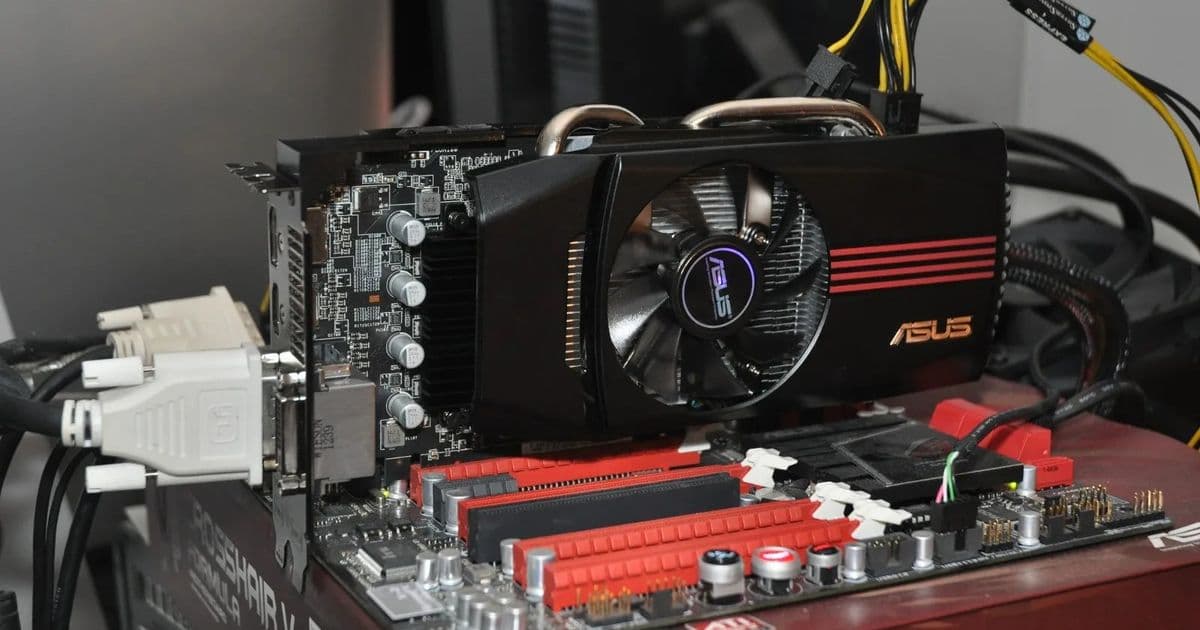
The upcoming Linux 7.1-rc2 kernel release includes significant AMDGPU driver enhancements, with notable support for harvested GPUs like the Radeon HD 7870 XT and improved display output handling for older hardware.
Linux 7.1-rc2 is set to bring a wave of improvements for AMD GPU users, particularly those with older hardware. The Direct Rendering Manager (DRM) kernel graphics fixes merged ahead of this test release address long-standing issues and expand compatibility for legacy AMD graphics cards.
Among the most significant improvements is the addition of support for "harvested" GPU configurations, a development that has been eagerly awaited by the Linux community. This work, primarily contributed by Valve's Timur Kristóf, finally enables proper support for the Radeon HD 7870 XT Tahiti LE and similar harvested GPUs on Linux. This particular GPU has been a source of frustration since a bug report was filed all the way back in 2013, marking a significant resolution for users who have been waiting over a decade for proper support.
The AMDGPU driver improvements in Linux 7.1-rc2 span multiple areas:
- GCN 1.0/1.1 Era Hardware Support: Enhanced compatibility for Graphics Core Next architecture cards from the early 2010s
- Display Output Fixes: Resolution of AMDGPU DC analog display output issues that were accidentally broken in previous releases
- Embedded Display Support: New capabilities for embedded display connectors without DDC (Display Data Channel)
- EDID Reading: Ability to read display Extended Display Identification Data from the vBIOS embedded panel information
These display-related improvements are particularly beneficial for users with older laptops featuring Radeon graphics and LVDS/eDP (Low-Voltage Differential Signaling/electronic Display Panel) panels, which have historically been challenging to configure properly on Linux.
Beyond display improvements, the kernel updates also bring enhancements to:
- User queue ("UserQ") ongoing work
- GART (Graphics Address Remapping Table) placement
- UVD 3.1 (Unified Video Decoder) support
- RAS (Reliability, Availability, and Serviceability) features
For users with newer AMD hardware, the kernel includes GFX11.5.4 IP fixes and other improvements for newer IP blocks, ensuring that the driver remains robust across AMD's entire product range.
On the Intel side, the Xe driver has received new Xe3P tuning and workaround fixes, maintaining parity with improvements for both major GPU vendors in the Linux ecosystem.
For Linux users with older AMD hardware, these improvements mean better out-of-the-box support, fewer configuration headaches, and improved performance. The harvested GPU support specifically opens up options for budget-conscious builders or those repurposing older hardware.
The fixes are now available in the Linux Git repository ahead of the official Linux 7.1-rc2 test release. Users interested in testing these improvements can download the pre-release kernel from the official Linux kernel archives or build from source.
For those running mission-critical systems with older AMD GPUs, it's worth noting that while these improvements address long-standing issues, waiting for the final Linux 7.1 release (typically after several release candidates) might be advisable for maximum stability. However, early adopters and testers will appreciate the significant progress made in supporting legacy hardware that has been neglected for years.
The continued investment in older GPU support demonstrates the Linux kernel's commitment to backward compatibility and ensuring that users aren't forced to upgrade hardware simply to maintain functionality. This is particularly important in the current economic climate where hardware costs are a significant consideration for many users.
Comments
Please log in or register to join the discussion