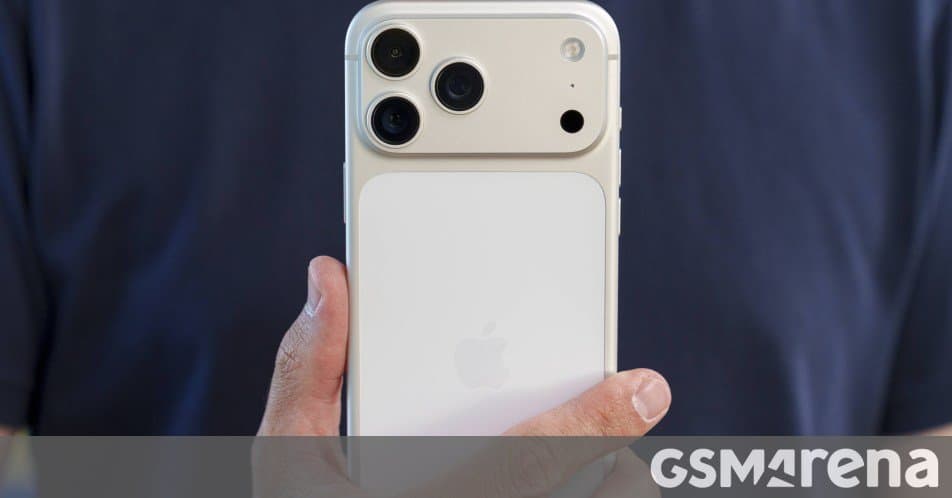
As Apple prepares to launch its iPhone 18 Pro and Pro Max models, reports indicate the company is adopting an aggressive pricing strategy to maintain market position despite rising component costs, particularly RAM. This approach aims to keep headline prices stable while potentially increasing costs for higher-tier configurations.
Apple's upcoming iPhone 18 Pro and iPhone 18 Pro Max models are reportedly set to feature an aggressive pricing strategy, according to analyst Jeff Pu. This development comes at a time when the broader smartphone industry is grappling with rising component costs, particularly affecting RAM pricing. The move suggests Apple is carefully balancing its premium market positioning with competitive pressures in an increasingly challenging economic climate.
The rumored pricing strategy appears designed to maintain consumer perception of value while addressing increased production costs. While specific price points haven't been officially confirmed, previous reports from analyst Ming-Chi Kuo indicate that base models will likely start at the same price points as their predecessors: $1,099 for the iPhone 18 Pro and $1,199 for the iPhone 18 Pro Max in the United States. This "headline price" stability would create the perception of unchanged pricing, potentially reassuring consumers during uncertain economic times.
However, the strategy may involve increasing prices for higher-tier configurations, effectively offsetting rising component costs by charging more for premium models with greater RAM and storage options. This approach would allow Apple to maintain competitive entry-level pricing while maximizing revenue from its most committed customers who opt for higher-end configurations.
The timing of this pricing strategy coincides with what some analysts are calling a "RAM crisis" in the smartphone industry. Global memory chip prices have been fluctuating due to various factors including supply chain disruptions, increased demand, and manufacturing challenges. These cost pressures are expected to influence pricing across the smartphone market, with many manufacturers potentially passing increased costs to consumers.
Apple's position in the market gives it unique advantages in navigating these challenges. The company's strong brand loyalty, integrated ecosystem, and high profit margins provide flexibility that many competitors lack. This ecosystem lock-in effect, where users remain within Apple's product ecosystem due to compatibility, data continuity, and service integration, allows Apple to maintain premium pricing even when competitors struggle to justify similar price points.
Speculation about the iPhone 18 Pro series suggests several potential upgrades that could justify the pricing strategy. Industry rumors point to improved camera systems, potentially including enhanced computational photography capabilities and higher resolution sensors. The Pro models might also feature upgraded displays with higher refresh rates and improved brightness, along with more powerful processors that could leverage Apple's A18 Bionic chip with enhanced AI capabilities.
Battery life improvements are also anticipated, with potential advancements in power management and possibly larger battery capacities. Additionally, the iPhone 18 Pro models might introduce new design elements, such as refined chassis materials or enhanced durability features, further justifying the premium positioning.
From a consumer perspective, this pricing strategy presents both opportunities and considerations. The potential stability of entry-level pricing makes the Pro models more accessible to new users or those upgrading from older models. However, consumers interested in higher-tier configurations with increased RAM and storage may face price increases, potentially narrowing the gap between Pro and higher-end Ultra models if Apple introduces such a tier.
The strategy also raises questions about long-term value. While Apple devices typically maintain strong resale value compared to competitors, the increasing price of higher-tier configurations could impact the total cost of ownership for consumers who opt for maximum specifications. This is particularly relevant given that RAM limitations can significantly impact device longevity and performance over time.
Apple's ecosystem advantages become even more pronounced with this pricing strategy. The seamless integration between iPhone, iPad, Mac, and other Apple devices creates a compelling value proposition beyond the hardware specifications alone. Services like iCloud, Apple Music, and Apple Arcade further enhance this ecosystem value, potentially justifying the investment in the Apple ecosystem despite rising hardware costs.
Competitors in the Android space face different challenges. While brands like Samsung offer competitive specifications at various price points, they often struggle to match Apple's ecosystem integration and software optimization. The fragmentation of the Android ecosystem also means that software updates and support timelines vary significantly between manufacturers and devices, potentially impacting long-term user experience.
The rumored pricing strategy also reflects Apple's confidence in its market position. Despite economic uncertainties and increasing competition, particularly in the premium segment, Apple appears committed to maintaining its premium brand positioning. This confidence stems from several factors, including strong brand loyalty, high customer satisfaction rates, and the company's ability to consistently deliver innovative features that differentiate its products from competitors.
Industry analysts suggest that Apple's approach could influence the broader smartphone market. If successful, this pricing strategy might encourage other manufacturers to adopt similar approaches, potentially stabilizing prices in the premium segment while allowing for more competitive entry-level pricing. However, this would depend heavily on Apple's ability to maintain its brand perception and product differentiation.
For consumers considering an upgrade to the iPhone 18 Pro series, several factors should be weighed. The potential stability of base pricing makes this an opportune time for new users to enter the ecosystem, while existing users might consider whether the incremental improvements justify an upgrade. Those requiring maximum RAM and storage should budget for potential price increases on higher-tier configurations.
As the smartphone market continues to evolve, Apple's rumored pricing strategy for the iPhone 18 Pro series represents a calculated approach to maintaining market leadership amid industry challenges. By balancing headline price stability with potential increases on premium configurations, Apple aims to address cost pressures while preserving its premium brand positioning and ecosystem advantages.
The success of this strategy will likely depend on several factors, including the actual improvements delivered in the iPhone 18 Pro series, consumer reception of any price increases on higher-tier models, and Apple's ability to maintain its competitive edge in an increasingly crowded premium smartphone market. As the launch approaches, more details will emerge that could further illuminate Apple's pricing intentions and the overall value proposition of the new Pro models.
Comments
Please log in or register to join the discussion