
Spanish travel technology giant Amadeus' acquisition of French biometrics firm Idemia Public Security for €1.2 billion signals a strategic pivot toward identity verification in the travel industry, raising questions about the future of passenger authentication and data privacy in global travel systems.
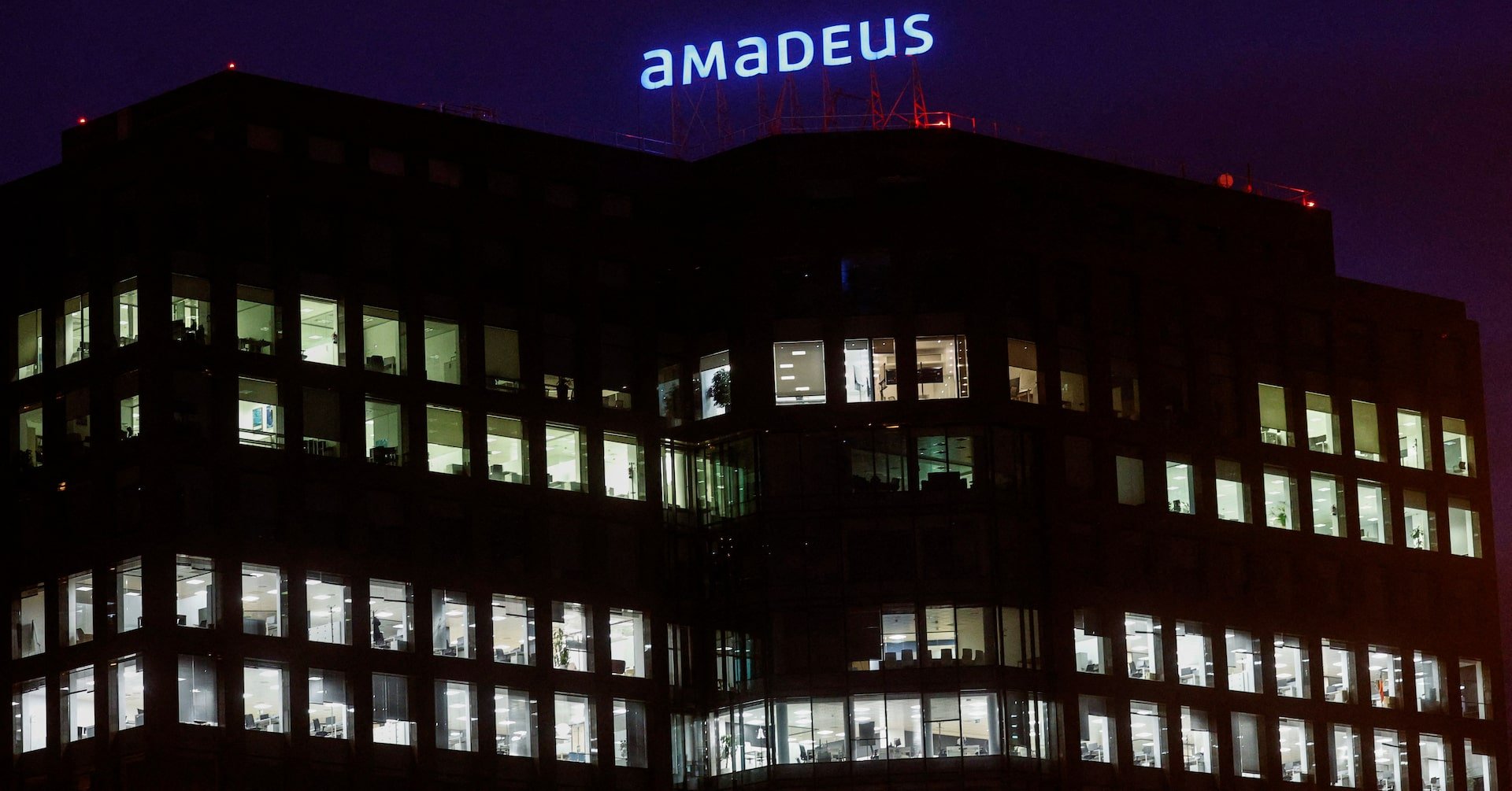
Amadeus IT Group, the Spanish technology company behind the world's largest travel booking system, has announced plans to acquire French biometrics company Idemia Public Security for €1.2 billion in cash. This move represents a significant strategic expansion for Amadeus beyond its traditional travel booking and distribution systems into the rapidly growing field of biometric identity verification.
Amadeus, which processes travel bookings for over 1.3 billion passengers annually, is seeking to leverage Idemia's expertise in biometric authentication to create more seamless travel experiences. Idemia Public Security specializes in biometric solutions for government and security applications, including facial recognition, fingerprint scanning, and other identity verification technologies that could be applied to passenger screening, airport security, and border control systems.
Industry analysts view this acquisition as a forward-looking move by Amadeus to anticipate the future needs of the global travel industry. As international travel continues to recover and grow post-pandemic, there is increasing pressure to streamline passenger processing while maintaining security. Biometric solutions promise to reduce wait times at airports, enhance security through more accurate identity verification, and create a more seamless travel experience from booking to arrival.
"This acquisition aligns with Amadeus' strategy to become more deeply integrated across the entire travel journey," said Maria Rodriguez, travel technology analyst at Global Insights. "By adding biometric capabilities, Amadeus is positioning itself to provide end-to-end solutions that address both the convenience and security aspects of modern travel."
The travel industry has been gradually adopting biometric technologies over the past decade, with implementations ranging from self-service check-in kiosks to automated border control systems. However, the pace of adoption has accelerated in recent years, driven by both technological improvements and increased demand for contactless solutions following the COVID-19 pandemic.
Idemia's technology could be particularly valuable for Amadeus in developing solutions for the "single travel token" concept—a digital identity that would allow passengers to move through airports and across borders using biometric authentication rather than physical documents. This vision, supported by organizations like IATA (International Air Transport Association), could fundamentally reshape how travelers interact with transportation systems globally.
Privacy advocates, however, have raised concerns about the concentration of biometric data in the hands of a single company that already handles vast amounts of travel information. "When a company that manages booking data for a significant portion of global travel also controls biometric authentication systems, we're talking about an unprecedented level of personal data concentration," said Dr. Eleanor Vance, privacy researcher at the Digital Rights Foundation. "The potential for both misuse and security breaches is substantial."
Technical experts note that biometric systems, while convenient, present unique security challenges compared to traditional authentication methods. Unlike passwords or tokens, biometric data cannot be easily changed if compromised. "Once your fingerprint or facial recognition data is exposed, it's compromised forever," explained cybersecurity consultant James Chen. "Companies handling this data must implement exceptionally robust security measures, and even then, the risk remains higher than with other authentication methods."
From a business perspective, the acquisition represents a significant diversification for Amadeus, which has traditionally focused on back-office systems for airlines, hotels, and travel agencies. The move into biometric services opens up new revenue streams and could potentially position Amadeus as a key player in the growing market for identity verification solutions beyond travel.
The €1.2 billion price tag suggests that Amadeus views this acquisition as strategically essential rather than opportunistic. Industry observers note that biometric technology companies have seen valuations surge in recent years as demand for identity verification solutions has grown across multiple sectors, from finance to healthcare to government services.
Competitors in the travel technology space are likely to respond to Amadeus' move, potentially accelerating the adoption of biometric solutions across the industry. Companies like Sabre and Travelport may accelerate their own biometric initiatives to remain competitive, while specialized biometric firms could see increased interest from investors.
The acquisition also raises questions about the future of identity verification in an increasingly digital world. As more aspects of daily life move online, the ability to securely authenticate identity becomes both more valuable and more challenging. Amadeus' entry into this space through its acquisition of Idemia could signal a broader trend of traditional industry players expanding into identity services.
Regulatory challenges may also accompany this acquisition. Biometric data is subject to stringent privacy regulations in many jurisdictions, including GDPR in Europe and various emerging frameworks specifically targeting biometric information. Amadeus will need to navigate these complex regulatory landscapes while implementing Idemia's technologies across its global operations.
Industry observers will be watching closely to see how Amadeus integrates Idemia's technologies into its existing systems and whether the acquisition delivers on its promise of creating more seamless and secure travel experiences. The success of this integration could determine whether we see accelerated adoption of biometric solutions in travel or whether significant hurdles remain.
For travelers, the potential benefits include shorter lines at airports, more secure document processing, and a more streamlined journey from booking to arrival. However, these benefits must be balanced against concerns about data privacy and the potential for surveillance systems that track movement across borders.
As Amadeus moves forward with this acquisition, the company will need to address both the technical and ethical dimensions of biometric technology. The coming years will likely see increased scrutiny of how companies collect, store, and use biometric data, making Amadeus' approach to these issues a case study for the broader industry.
This acquisition represents more than just a business transaction—it signals a potential shift in how identity is verified and managed in the global travel ecosystem. Whether this shift leads to more efficient and secure travel experiences or raises new privacy concerns remains to be seen, but the direction is clear: the future of travel will increasingly be shaped by biometric technologies.
Comments
Please log in or register to join the discussion