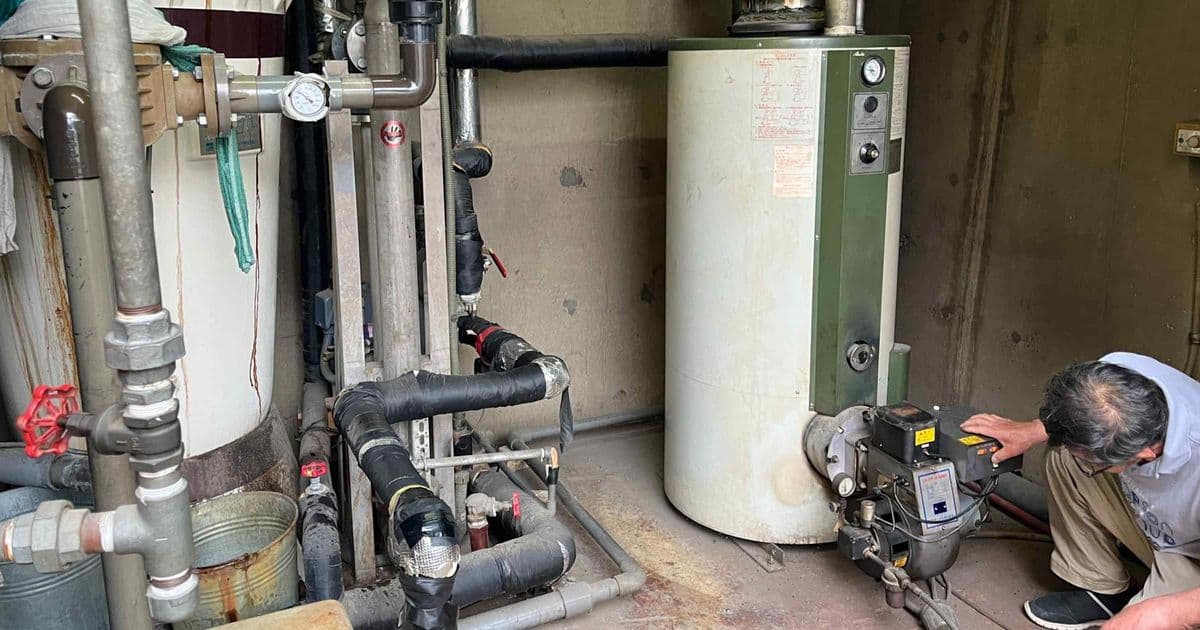
Rising fuel prices are exacerbating financial pressures on Japan's century-old public bath industry, forcing operators to make difficult decisions as heating costs surge amid broader economic challenges.
The traditional Japanese sento (public bathhouse) industry, already facing decades of declining patronage, is confronting new financial pressures as fuel costs reach unprecedented levels. With heating water accounting for up to 40% of operational costs for many establishments, the recent surge in oil prices has pushed numerous operators to the brink of closure.
Historically, Japan's public bathhouses served as community gathering spaces where neighbors would socialize while maintaining personal hygiene. At their peak in the 1960s, over 2,500 sento operated in Tokyo alone. Today, that number has dwindled to approximately 800 nationwide, with many establishments having operated continuously for over a century.
The financial impact of rising fuel costs is particularly severe for these businesses. According to industry estimates, fuel oil prices have increased by approximately 35% since 2024, with some regions reporting even steeper increases. For a typical medium-sized bathhouse consuming 2,000 liters of fuel oil monthly, this represents an additional monthly expense of ¥300,000 to ¥400,000 ($2,000 to $2,700 USD).
"We're facing a perfect storm," said Hiroshi Tanaka, third-generation owner of Sento Yamato in Tokyo's Shinjuku ward. "Our customer base has been declining by 3-5% annually for the past decade, and now heating costs have increased by nearly 40% in just two years. Something has to give."
The industry's challenges reflect broader economic trends in Japan, including an aging population, changing lifestyles, and rising energy costs. Unlike many businesses that can switch to alternative energy sources, traditional bathhouses face significant retrofitting costs to transition from fuel oil to more efficient heating systems.
"The capital expenditure required to modernize heating systems typically ranges from ¥5 million to ¥15 million ($33,000 to $100,000 USD) depending on the size of the facility," explained energy consultant Kenji Sato. "For many small, family-owned bathhouses, this represents several years of profits."
In response to these pressures, operators are implementing various strategies to maintain profitability. Some have increased admission fees by 10-15%, while others have reduced operating hours or days per week. A growing number are exploring energy efficiency measures, including:
- Installing heat recovery systems that capture waste heat
- Implementing better insulation to reduce heat loss
- Converting to more efficient burners or switching to natural gas where available
- Adding solar thermal systems to supplement traditional heating
The Japanese government has recognized the cultural significance of these establishments and has begun offering subsidies for energy-efficient retrofits. The "Sento Revitalization Fund," established in 2025, provides grants covering up to 50% of retrofitting costs for qualifying establishments.
However, these measures may not be sufficient to reverse the industry's decline. Market research indicates that while older generations continue to frequent bathhouses regularly, younger Japanese are increasingly turning to private facilities, with home bathing now accounting for 78% of bathing occasions compared to just 45% in 1980.
The situation highlights the tension between preserving cultural heritage and adapting to economic realities. As traditional bathhouses close, communities lose not just bathing facilities but also important social gathering spaces that have served as neighborhood hubs for generations.
Industry analysts predict that without significant intervention, Japan could lose up to 30% of its remaining public bathhouses within the next five years, with rural areas particularly vulnerable due to smaller customer bases and higher per-capita heating costs.
For now, operators like Tanaka remain determined to preserve their family legacies. "We've survived earthquakes, economic downturns, and pandemics," he said. "Fuel prices are just another challenge we'll have to overcome, one way or another."
Comments
Please log in or register to join the discussion