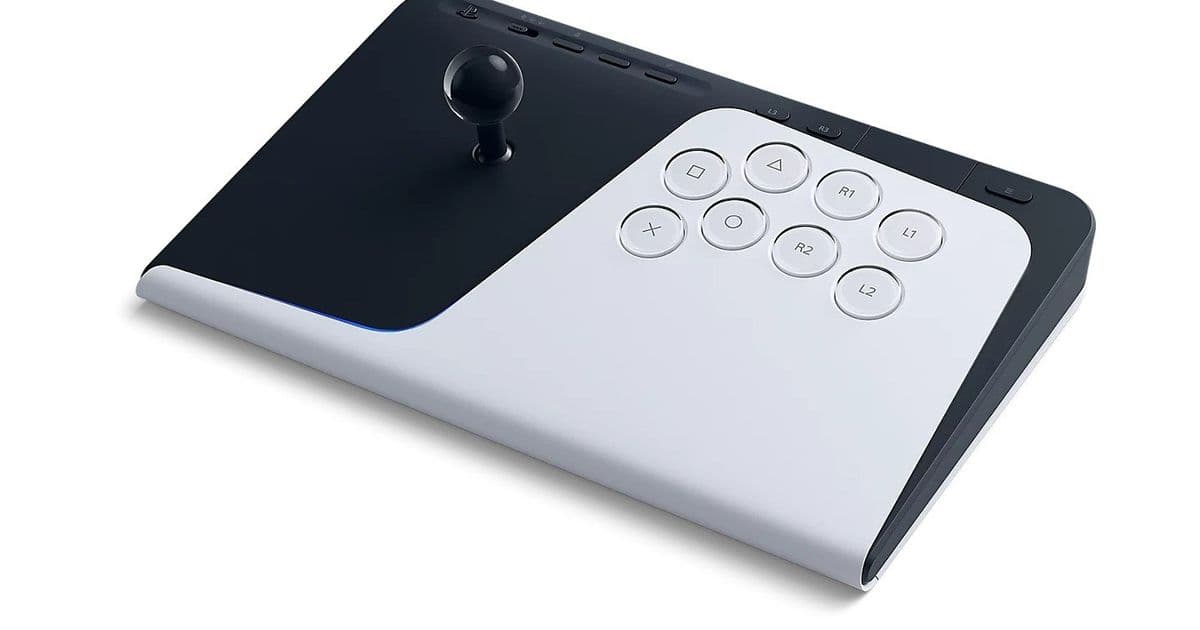
After months of anticipation, Sony's FlexStrike wireless fight stick has made another public appearance at the EVO championship in Japan, revealing more details about its innovative features and design ahead of its expected 2026 release.
PlayStation FlexStrike Fight Stick: Sony's Wireless Arcade Controller Finally Takes Shape
Almost a year after its initial announcement, Sony's FlexStrike wireless fight stick continues to generate buzz in the fighting game community. Formerly known as Project Defiant, this innovative arcade controller has now been spotted at the EVO championship in Japan, giving enthusiasts another look at what Sony has in store for fighting game fans. The device made its first public appearance at EVO 2025 in Las Vegas last August, and these latest sightings suggest we're getting closer to an official release.
What's New: Innovative Features That Set the FlexStrike Apart
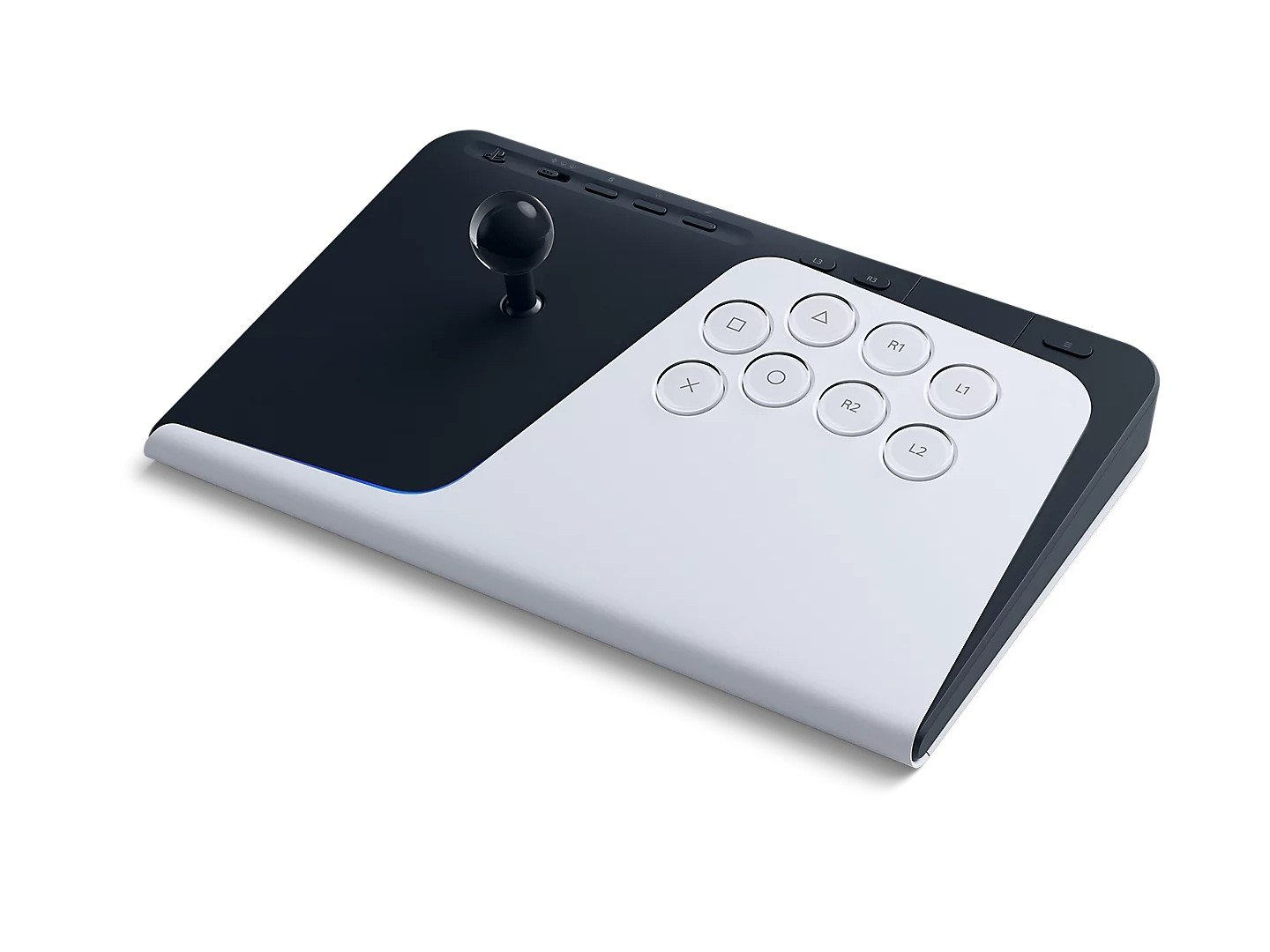
The FlexStrike Wireless Fight Stick distinguishes itself with several thoughtful design innovations that address common pain points for fighting game enthusiasts. The most notable feature is its two-tone color scheme, which not only looks sharp but also helps players quickly identify different sections of the controller without looking down during intense matches.
At the heart of the FlexStrike are mechanical switch buttons, which provide a more tactile and responsive experience compared to traditional membrane-based arcade buttons. This change should result in more precise inputs and potentially longer-lasting components, as mechanical switches are generally more durable than their counterparts.
One particularly innovative feature is the lever mode switch, which allows users to alternate between three directional input modes: square, circle, and octagon restrictor gates. This versatility means players can adapt the stick to different fighting game styles or personal preferences without purchasing separate controllers. The ability to easily swap these restrictor gates without needing tools is a significant quality-of-life improvement for serious players who frequently change between game types.
The FlexStrike also includes a lock button, which prevents accidental inputs during transportation or when the controller isn't in use. This simple addition shows Sony has considered real-world usage scenarios beyond just gameplay.
Notably, the controller maintains compatibility with PlayStation's ecosystem by including all the same inputs as a DualSense fight stick, including the touchpad. This ensures that players can access all PS5 features while enjoying the precision of an arcade-style controller.
How It Compares: The FlexStrike in Context
The FlexStrike represents Sony's first venture into the wireless fight stick market, positioning it against established competitors from companies like Hori, Mad Catz, and Razer. While wireless arcade controllers aren't entirely new, Sony's approach brings several advantages.
Unlike many wireless fight sticks that rely on Bluetooth or proprietary 2.4GHz dongles, the FlexStrike uses the PlayStation Link adapter, which suggests potential for lower latency and more stable connections. Sony claims that a single PS Link Adapter can connect two FlexStrike fight sticks to the same console, or simultaneously connect one FlexStrike fight stick and a Pulse Elite wireless headset or Pulse Explore wireless earbuds. This multi-device capability could be particularly valuable for streamers or players who use both audio and controller inputs simultaneously.
The inclusion of storage compartments underneath the fight stick for three different restrictor gates (square, circle, and octagon) is another practical advantage over many competing products that require separate purchases or careful manual swapping. This all-in-one approach suggests Sony has been listening to the community's feedback about convenience and versatility.
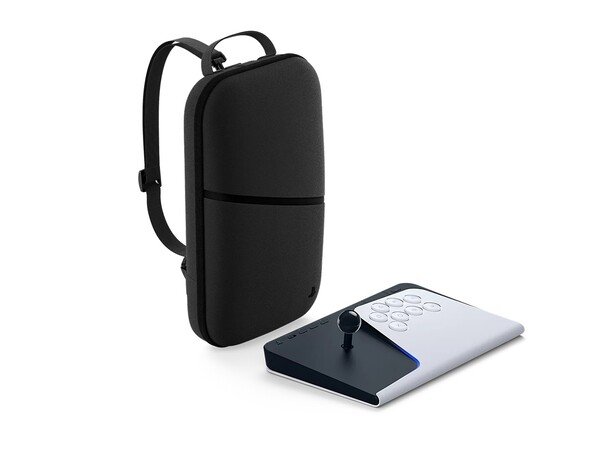
When compared to its wired predecessors, the FlexStrike's wireless capability represents a significant leap forward. Players will no longer be tethered to their consoles, allowing for more flexible setups and potentially reducing cable clutter. The option for wired connection via USB-C also ensures compatibility and zero-latency gameplay for competitive players who prioritize response above all else.
Who It's For: Target Audience and Potential Use Cases
The FlexStrike appears designed specifically for the serious fighting game community. Players who participate in local tournaments or online ranked matches will appreciate the mechanical switches' precision and the customizable restrictor gates, which can be optimized for specific games or playstyles.
The controller's wireless capability also makes it appealing to streamers and content creators who need flexible camera setups and don't want cables obstructing their shots. The ability to connect multiple devices to a single adapter adds to its appeal for creators who use various PlayStation peripherals simultaneously.
Casual players might find the FlexStrike appealing as well, particularly those who enjoy fighting games but prefer the arcade experience over standard controllers. The inclusion of all DualSense inputs means the controller won't feel alien to PlayStation users while still offering the specialized functionality that fighting game fans desire.
The timing of the FlexStrike's potential release—possibly coinciding with Marvel Tōkon on August 6—suggests Sony is targeting the fighting game community during a period of high interest. This could indicate plans for a special edition controller based on the game, which would likely appeal to both Marvel vs. Capcom series fans and collectors.
What We Still Don't Know
Despite these recent sightings, several key details about the FlexStrike remain unconfirmed. Most importantly, there's no information yet on pricing or an exact release date. Given the premium components and wireless technology, we can expect the FlexStrike to be positioned in the higher end of the fight stick market, potentially competing with products in the $150-$200 range.
Additionally, while we know about the basic features, questions remain about battery life, charging time, and the durability of the mechanical switches over extended use. These factors will be crucial for players who practice or compete for hours at a time.
The PlayStation Link adapter's compatibility with other peripherals also warrants further testing. While Sony claims it can support multiple devices simultaneously, real-world performance may vary depending on the specific setup and wireless environment.
Conclusion
The PlayStation FlexStrike fight stick represents Sony's ambitious entry into the specialized fighting game controller market. With its mechanical switches, versatile restrictor gate system, and wireless connectivity, it addresses many of the pain points that have plagued arcade-style controllers in the past.
As the fighting game community continues to grow and evolve, peripherals like the FlexStrike will play an increasingly important role in the competitive experience. Whether it can dethrone established fight stick manufacturers remains to be seen, but Sony's commitment to quality and innovation suggests the FlexStrike will be a serious contender.
For now, fighting game enthusiasts will continue to speculate about pricing and release dates while eagerly awaiting the chance to get their hands on what could be the next evolution in arcade controllers. With Marvel Tōkon on the horizon, the timing couldn't be better for Sony to make its mark in this niche but passionate segment of the gaming market.
Comments
Please log in or register to join the discussion