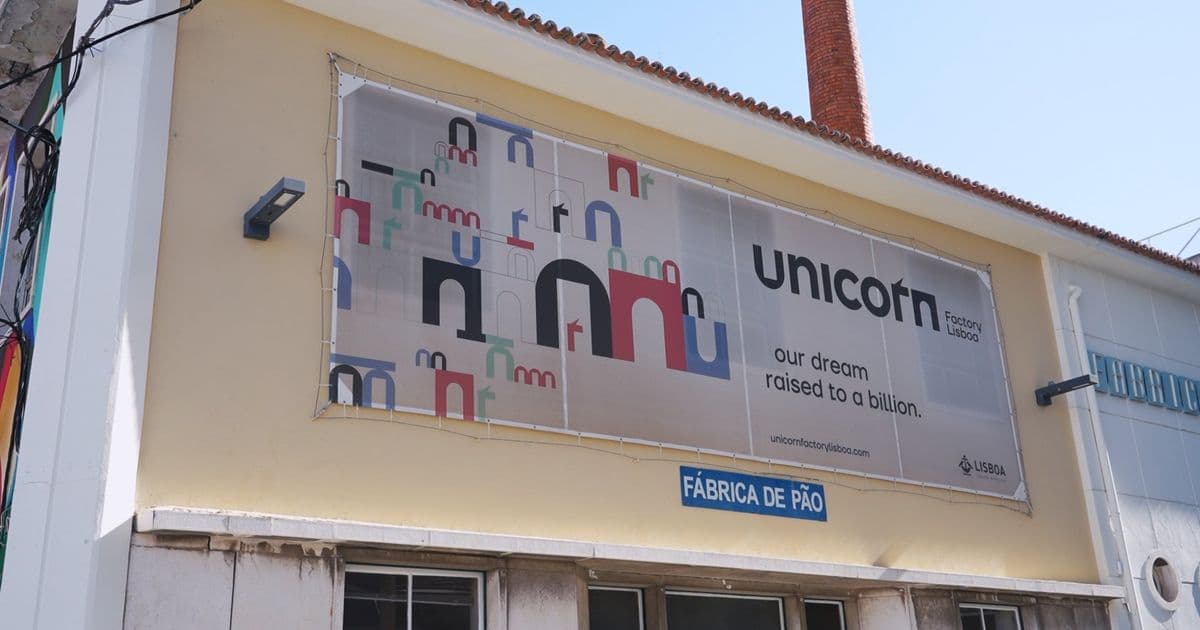
Lisbon's historic Beato Innovation District has transformed from a food production hub into a thriving ecosystem where deep-tech startups, established firms, and research centers collaborate in renovated industrial spaces.
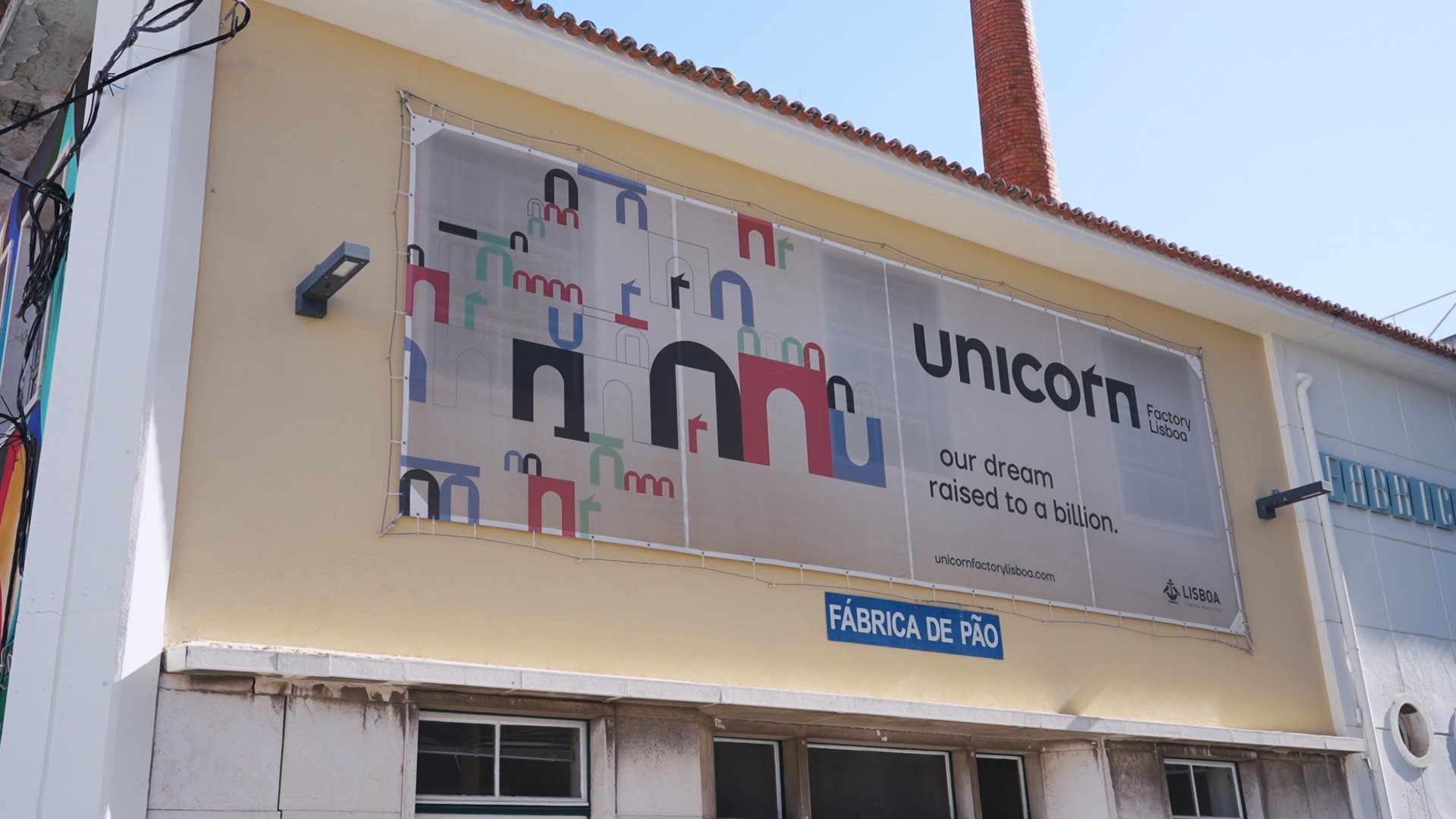
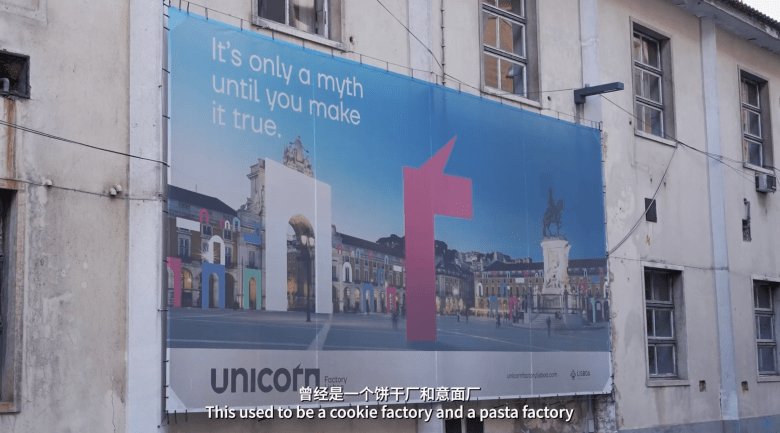
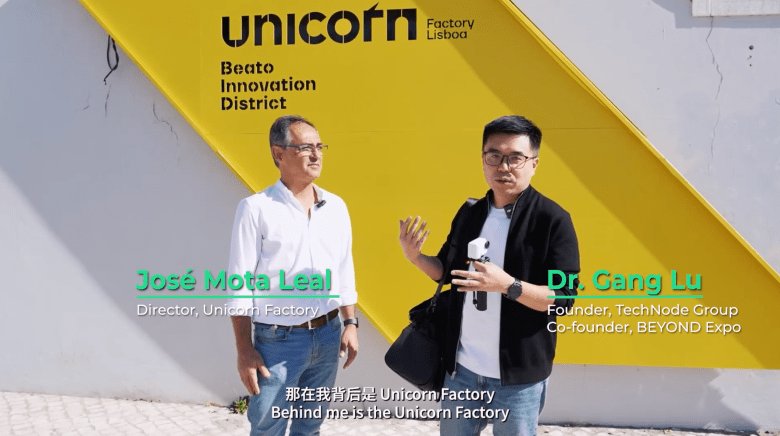
When our team pulled into Lisbon’s Beato Innovation District, we didn’t find the sterile glass skyscrapers typical of modern tech hubs. Instead, we were greeted by red-brick industrial buildings with a strong sense of history—structures rooted in heritage, free from cold corporate uniformity. José, Director of Unicorn Factory Lisboa, stood amid the complex and pointed out the history etched into the skyline. “That used to be a cookie and pasta factory,” he explained, gesturing to the surrounding buildings. A former bread factory nearby is under renovation, and a silent milling plant still stands—remnants of an era when this 35,000-square-meter site supplied food to Lisbon. Today, it has a new mission: fueling the future of Europe’s digital economy.
A Cathedral for Innovators
Launched in 2017, the Unicorn Factory paused briefly during the pandemic but has since been revitalized. José notes with pride that 10 of the 18 heritage buildings have been renovated and put into use, with over 1,300 innovators working here. This is far more than a coworking space—it is a unique sanctuary where major deep-tech companies, startups and research centers coexist and collaborate.
Our cameras captured the “hardcore” reality of this ecosystem: Micro Harvest has more than just office desks—it operates a compact bio-factory right inside the building, using bacteria to cultivate protein for sustainable fish feed, and has already achieved large-scale production. Claranet, a cybersecurity firm recently acquired by a telecom giant, has built a top-tier situational awareness room for its 500 employees in the old factory, along with a dedicated R&D and training center for cybersecurity.
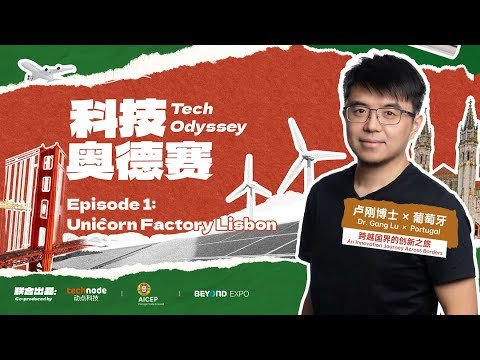
An Insight into Global Expansion
Gil Azevedo, Executive Director of Unicorn Factory Lisboa, shared the scale of their efforts: in just one year, 250 startups and over 1,000 students have joined their programs, with half of the startups coming from outside Portugal. In our in-depth conversation, Gil shared an interesting observation: compared to countries with larger markets, where startups often wait until they scale up to pursue global expansion, Portuguese businesses start seeking international opportunities at a very early stage. For them, overseas expansion is an essential requirement for growth.
This trend has nurtured a thriving startup ecosystem in Portugal. The country has spawned seven unicorn companies, six of which emerged years ago, with artificial intelligence playing a key role in each of their business models. Beyond AI, the ecosystem boasts competitive enterprises in health tech, food tech and fintech. Portugal also leads Europe in green economy innovation within the sustainability sector, and even traditional industries like textiles are being reshaped by innovative solutions.
A Hub Connecting Three Continents
To support such growth, the Unicorn Factory has built a comprehensive six-pillar support system, covering youth entrepreneurship, early-stage incubation, scale-up programs, innovation centers, international collaboration and social innovation. As Gil emphasizes, Portugal is emerging as a unique global hub connecting innovators across three continents.
With a solid talent pool and inclusive multicultural environment, it serves not only as a springboard to the European market but also as a natural bridge to South America (especially Brazil) and Africa. Drawing on its open spirit dating back to the Age of Discovery, this former factory has become a truly international stage for innovation.
“Our vision is to achieve true globalization,” Gil said.
The Deep-Tech Reality Inside the Factory Walls
What makes the Beato Innovation District particularly compelling is how it blends historical preservation with cutting-edge technology. The district’s transformation represents a deliberate rejection of the typical tech campus aesthetic in favor of something more authentic and inspiring.
Micro Harvest’s bio-factory exemplifies this approach. Rather than leasing generic office space, the company has integrated its production facilities directly into the industrial architecture. Their bacteria-based protein cultivation system operates in retrofitted spaces that once housed milling equipment, creating a fascinating juxtaposition of old and new industrial processes.
Claranet’s presence demonstrates how established companies are drawn to this environment. The cybersecurity firm’s decision to locate its European operations center here—complete with advanced situational awareness capabilities—speaks to the district’s ability to attract serious enterprise players alongside startups.
The physical infrastructure supports this diversity. Heritage buildings have been carefully renovated to preserve their character while incorporating modern amenities: high-speed connectivity, climate control for sensitive equipment, and flexible layouts that accommodate everything from laboratory work to software development.
Why Portuguese Startups Think Global from Day One
The cultural and economic context in Portugal creates unique dynamics for startup development. With a population of just over 10 million, the domestic market is too small to sustain most ambitious ventures. This constraint, rather than being limiting, has become a competitive advantage.
Portuguese entrepreneurs develop with internationalization baked into their business models from inception. They design products and services with global scalability in mind, rather than adapting them later. This approach results in more robust, internationally-ready solutions compared to startups that initially optimize for larger domestic markets.
The Unicorn Factory’s programs reflect this reality. Their scale-up initiatives include modules on cross-cultural management, regulatory compliance across multiple jurisdictions, and strategies for entering diverse markets. Participants work on real expansion challenges rather than theoretical exercises.

The Six Pillars Supporting Innovation
The comprehensive support system Gil described operates across six interconnected domains:
Youth Entrepreneurship focuses on developing entrepreneurial skills early, with programs in schools and universities that go beyond traditional business education to include hands-on innovation experience.
Early-Stage Incubation provides startups with more than just workspace—mentorship from experienced entrepreneurs, connections to early customers, and access to initial funding sources.
Scale-Up Programs address the specific challenges of growth, from hiring internationally to managing complex supply chains and navigating foreign regulatory environments.
Innovation Centers bring together researchers and industry partners to work on applied projects, creating a bridge between academic research and commercial application.
International Collaboration facilitates partnerships across Europe, South America, and Africa, leveraging Portugal’s historical and cultural connections.
Social Innovation ensures that technological advancement serves broader societal goals, with initiatives focused on sustainability, inclusion, and community development.
Portugal’s Position in the European Innovation Landscape
Portugal’s emergence as an innovation hub represents a shift in the European tech ecosystem. While traditional centers like London, Berlin, and Paris continue to dominate, secondary cities with unique characteristics are carving out specialized niches.
Lisbon’s combination of quality of life, relatively low costs, and strategic location makes it attractive to international talent. The city has become particularly popular among digital nomads and remote workers, creating a diverse talent pool that benefits local startups.
The country’s strength in AI is particularly noteworthy. Portuguese AI companies have found success in areas like natural language processing for Portuguese and other Romance languages, computer vision applications for agriculture and maritime industries, and predictive analytics for renewable energy systems.
In health tech, Portuguese firms are developing solutions for aging populations and chronic disease management—pressing issues that resonate globally. Food tech innovations focus on sustainability and efficiency, aligning with Portugal’s strong agricultural and maritime traditions.
Fintech companies leverage Portugal’s position as a financial services hub and its connections to both European and Brazilian markets. The country’s progressive regulatory environment for financial technology has encouraged experimentation and growth in this sector.
The Sustainability Advantage
Portugal’s leadership in green economy innovation stems from both necessity and opportunity. The country has invested heavily in renewable energy, with wind and solar power playing increasingly important roles in its energy mix. This creates a natural testing ground for clean tech solutions.
Portuguese startups are developing technologies for energy efficiency, sustainable agriculture, circular economy systems, and green transportation. These solutions often have applications far beyond Portugal’s borders, particularly in developing markets facing similar environmental challenges.
Even traditional industries like textiles are being transformed. Portuguese textile companies are adopting smart manufacturing techniques, developing sustainable materials, and creating products with embedded technology for various applications.
Looking Forward: The Third Option
The Unicorn Factory’s vision of being a “third option” for global innovators speaks to a broader trend in the innovation economy. As the costs and competitive pressures in traditional tech hubs increase, alternative locations with unique advantages become increasingly attractive.
Portugal offers several compelling factors: a supportive ecosystem with institutions like the Unicorn Factory, a strategic location bridging multiple markets, a high quality of life that helps attract and retain talent, and a culture that values both innovation and tradition.
The transformation of the Beato Innovation District from food production to digital innovation symbolizes this broader shift. It demonstrates how industrial heritage can be repurposed to support the knowledge economy, creating spaces that inspire creativity while honoring history.
As Gil Azevedo noted, Portugal’s open spirit—dating back to the Age of Discovery—continues to shape its approach to innovation. The country’s willingness to engage with diverse cultures and markets, combined with its technical capabilities and supportive ecosystem, positions it as a unique player in the global innovation landscape.
The journey from biscuits to bytes in Lisbon’s factory district represents more than just economic transformation. It embodies a new model for innovation ecosystems—one that values authenticity, embraces history, and recognizes that the future of technology is inherently global.
Comments
Please log in or register to join the discussion