Battery recycling and cathode production startup Redwood Materials expands its Series E round to $425 million, reaching a $6 billion valuation with Google joining as a strategic investor, as the company scales operations to meet surging demand for sustainable battery materials in the EV and energy storage markets.
Battery recycling and cathode production startup Redwood Materials has expanded its Series E funding round to $425 million, reaching a $6 billion valuation with Google joining as a new strategic investor, according to sources familiar with the deal.
Founded by former Tesla CTO JB Straubel, Redwood Materials is positioning itself as a critical player in the sustainable battery supply chain by recycling lithium-ion batteries and producing cathode materials for electric vehicles and energy storage systems. The company's technology recovers valuable materials like lithium, cobalt, and nickel from end-of-life batteries, reducing reliance on mining and lowering the environmental impact of battery production.
Strategic Investment from Google
Google's participation as a strategic investor signals growing corporate interest in sustainable battery supply chains. While specific terms of Google's involvement weren't disclosed, strategic investments from tech giants often include technology partnerships, supply agreements, or joint development initiatives beyond pure financial returns.
This investment comes as major tech companies face increasing pressure to reduce their carbon footprints and ensure sustainable sourcing of materials for their hardware products, including data center equipment and consumer devices that rely on lithium-ion batteries.
Market Context and Growth Trajectory
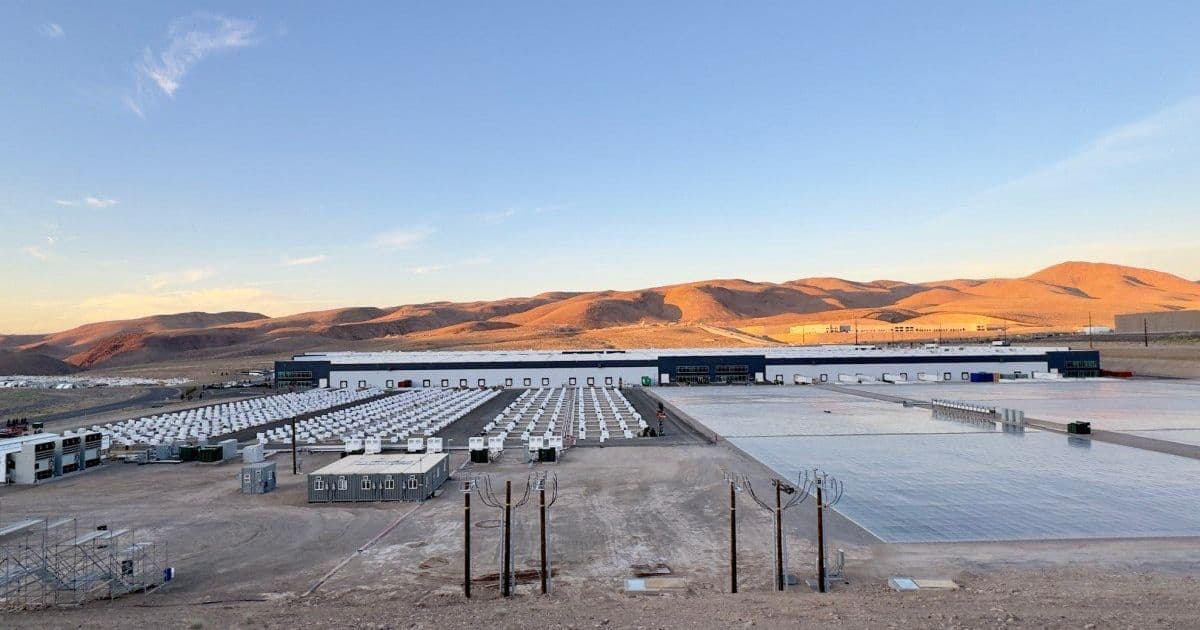
The $6 billion valuation represents significant growth for Redwood, which has been rapidly scaling its operations to meet surging demand for battery materials. The company has been expanding its recycling facilities and cathode production capacity across the United States, with operations in Nevada and plans for additional facilities.
Redwood's business model addresses two critical challenges in the battery industry: the environmental impact of mining raw materials and the growing volume of end-of-life batteries that need proper recycling. As electric vehicle adoption accelerates and energy storage deployments increase, the demand for sustainable battery materials is expected to grow exponentially.
Industry Implications
The investment round highlights the increasing convergence between technology companies and sustainable manufacturing. As AI data centers, electric vehicles, and renewable energy storage drive unprecedented demand for batteries, companies like Redwood are becoming essential infrastructure providers.
Redwood's success also reflects broader trends in the battery industry, where recycling and domestic production of critical materials are becoming strategic priorities for governments and corporations alike. The company's ability to attract major strategic investors like Google suggests confidence in its technology and market position.
Competitive Landscape
Redwood operates in a competitive field of battery recycling and materials companies, but its early mover advantage, technological capabilities, and strategic partnerships have helped it maintain a leadership position. The company's focus on both recycling and cathode production creates a vertically integrated model that captures more value than pure recycling operations.
The Series E expansion also indicates that Redwood is likely preparing for further scaling or potentially positioning itself for a future public offering, as the company continues to build out its manufacturing capacity and secure long-term supply agreements with major battery and automotive manufacturers.
The investment round underscores the growing recognition that sustainable battery supply chains are not just environmental imperatives but also significant business opportunities as the world transitions to electric transportation and renewable energy systems.
*Image: *
Comments
Please log in or register to join the discussion