The Philippines' first Michelin Guide has boosted local restaurants and put the country's overlooked cuisine on the global map, with Bib Gourmand selections driving both foreign interest and domestic dining.
The Philippines' culinary scene is experiencing a renaissance following the launch of the country's first Michelin Guide, which has sparked renewed interest in Filipino cuisine both domestically and internationally.
According to reports from Manila, restaurants featured in the inaugural guide are seeing significant increases in customer traffic. The recognition comes as Filipino food seeks to establish itself alongside more prominent Southeast Asian cuisines like Thai and Vietnamese, which have long enjoyed global popularity.
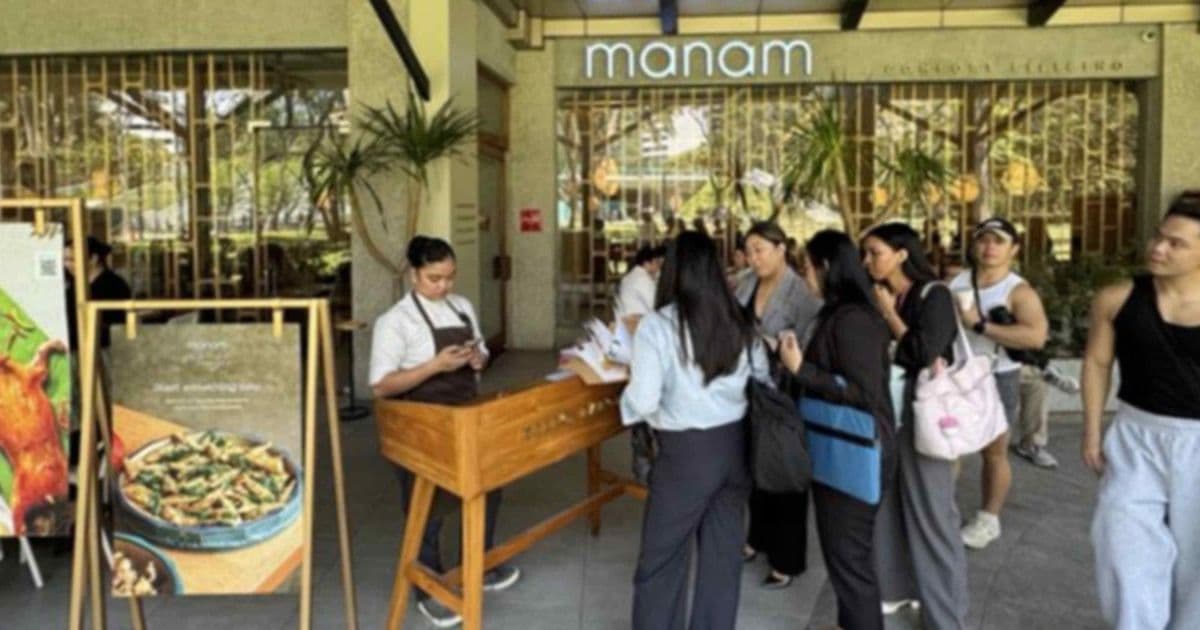
One standout recipient is Manam, a local restaurant chain whose flagship location in Ayala Triangle Gardens received Bib Gourmand recognition. Bib Gourmand honors establishments offering quality food at affordable prices, making fine dining accessible to a broader audience. The accolade has translated into tangible business results, with the restaurant reporting increased foot traffic from both local patrons and curious foreign diners.
The timing is strategic for the Philippine food industry, which has been working to elevate its culinary profile on the world stage. While dishes like adobo, sinigang, and lechon have deep cultural roots, Filipino cuisine has historically struggled to gain the same international recognition as neighboring countries' food cultures.
Industry observers note that the Michelin Guide's presence could accelerate this process by providing a respected benchmark for quality and innovation. The guide's endorsement serves as a powerful marketing tool, attracting food enthusiasts who might otherwise overlook the Philippines as a culinary destination.
Local chefs and restaurateurs view the recognition as validation of their efforts to modernize traditional recipes while preserving authentic flavors. Many are now experimenting with contemporary techniques and presentations, creating a new wave of Filipino fusion cuisine that maintains cultural integrity while appealing to global palates.
The economic impact extends beyond individual restaurants. Increased interest in Filipino food could boost tourism, with culinary experiences becoming a key draw for visitors. Additionally, the spotlight on local ingredients and cooking methods may create opportunities for farmers and food producers across the archipelago.
As the Philippines continues to build its culinary reputation, the Michelin Guide serves as both a catalyst and a roadmap, highlighting establishments that exemplify the best of Filipino hospitality and gastronomy. The challenge now lies in sustaining this momentum and ensuring that the recognition translates into long-term growth for the country's food industry.
Featured image: Main featured image for the article...
Comments
Please log in or register to join the discussion