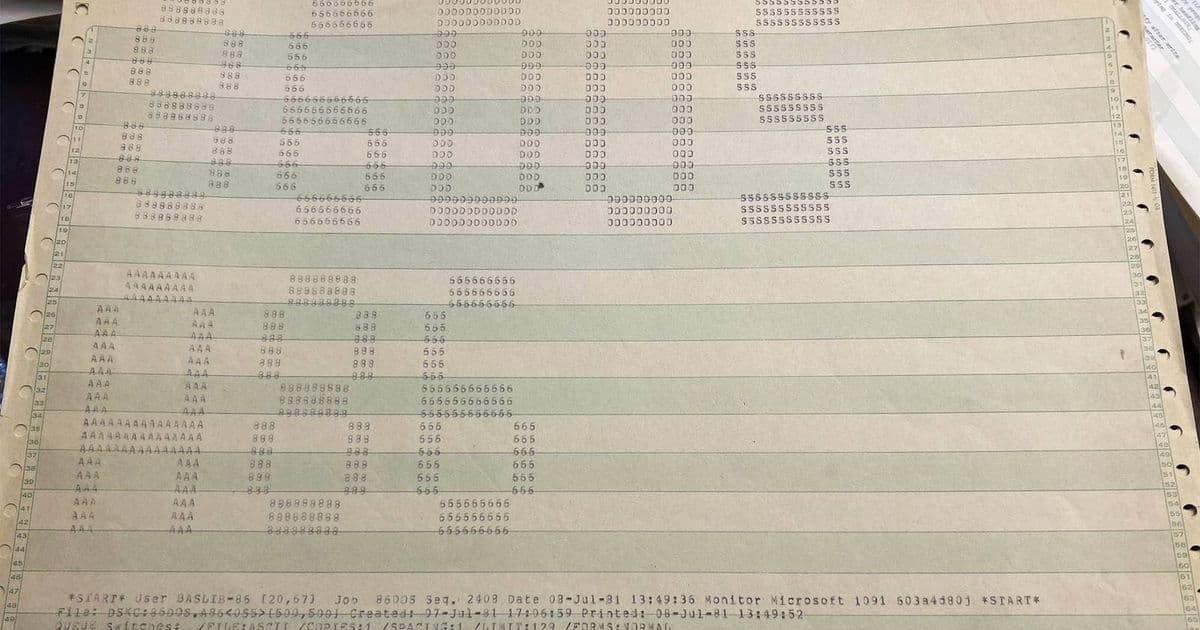
Microsoft has released the original 86-DOS 1.00 source code, providing developers with unprecedented access to the foundational operating system that launched Microsoft's dominance in computing.
Microsoft has made a significant contribution to software preservation by releasing the source code for 86-DOS 1.00, the precursor to MS-DOS that formed the bedrock of personal computing for decades. This release includes not just the kernel code but also development snapshots, utilities like CHKDSK, and handwritten notes from creator Tim Paterson that provide context about timelines, feature implementations, and even errors encountered during development.
Historical Context
In 1980, facing the opportunity to develop an operating system for IBM's upcoming PC, Microsoft took a pragmatic approach rather than building from scratch. CEO Bill Gates acquired 86-DOS (also known as QDOS) from Seattle Computer Products and Tim Paterson for approximately $75,000. This strategic purchase laid the foundation for Microsoft's future success and established the platform that would dominate personal computing for years to come.
The artifacts, now available for public examination, will also be displayed at the Interim Computer Museum, ensuring this critical piece of computing history is preserved for future generations. This release continues Microsoft's pattern of making historical software available, following previous open-sourcing efforts for MS-DOS 1.25, 2.11, and 4.0.
Developer Impact Today
For mobile developers working across iOS and Android platforms, this historical release offers valuable perspective on the evolution of operating systems and the importance of foundational code. The 86-DOS source provides a window into early system design principles that continue to influence modern computing architectures.
Mobile developers can draw parallels between the challenges faced in early OS development and current cross-platform considerations. The DOS kernel's structure demonstrates how resource constraints influenced design decisions—a situation familiar to mobile developers working with limited device resources. The handwritten notes from Paterson particularly reveal the iterative nature of software development, showing how features were added, refined, and sometimes removed based on practical constraints.
Cross-Platform Lessons
The DOS story offers instructive parallels for modern cross-platform development:
Pragmatic Solutions: Like Microsoft's decision to adapt rather than rebuild, modern cross-platform frameworks (React Native, Flutter, Xamarin) balance native performance with development efficiency.
Resource Management: DOS developers had to work within severe memory constraints, similar to optimizing for mobile devices with limited RAM and battery life.
Evolutionary Development: DOS evolved through multiple versions, demonstrating how platforms adapt to changing needs—a process visible in iOS and Android's yearly updates.
Ecosystem Building: Microsoft's bundling of utilities with DOS mirrors how modern platforms create comprehensive development environments with SDKs, tools, and documentation.
Modern Connections
The release connects to contemporary mobile development in several meaningful ways:
- SDK Development: Understanding early OS kernels provides insight into how modern mobile SDKs are structured and optimized.
- Platform Evolution: DOS's evolution from 1.0 to later versions parallels the maturation of mobile operating systems.
- Historical Context: For developers who began their careers after the desktop OS wars, this release provides context for how platform dominance was established and maintained.
The source code repository, available through Microsoft's GitHub, allows developers to examine how foundational system calls were implemented, how memory management was handled in early systems, and how the API that would eventually support countless applications was designed.
Migration and Preservation
This release underscores the importance of software preservation in our rapidly evolving technological landscape. Mobile developers today work in ecosystems where frameworks and tools can become obsolete within years. DOS, despite its age, remains functional on appropriate hardware—a testament to thoughtful system design.
For mobile developers maintaining legacy applications or supporting older devices, the DOS release offers valuable lessons in maintaining compatibility while evolving platforms. The handwritten notes from Paterson demonstrate the importance of documentation and context preservation—practices crucial for maintaining long-term codebases across multiple platform versions.
The release also highlights how Microsoft's approach to open source has evolved while maintaining its commitment to developer tools and platforms. From the closed-source dominance of the DOS era to today's embrace of open-source contributions, this historical artifact provides a through-line for the company's development philosophy.
Resources for Developers
Developers interested in exploring this piece of computing history can access the source code and related materials through Microsoft's GitHub repository. The collection includes:
- The 86-DOS 1.00 kernel source
- Development snapshots of PC-DOS 1.00
- Early utilities including CHKDSK
- Tim Paterson's handwritten notes with development context
As mobile platforms continue to evolve and new cross-development tools emerge, understanding the foundations of operating systems becomes increasingly valuable. This release of 86-DOS 1.00 provides not just a historical artifact, but a practical learning resource for developers seeking to understand the principles that have shaped modern computing platforms.
The story of DOS's creation and Microsoft's acquisition of it serves as a reminder that the most significant technological advances often come from pragmatic solutions rather than revolutionary breakthroughs—a lesson that continues to resonate in today's mobile development landscape.
Comments
Please log in or register to join the discussion