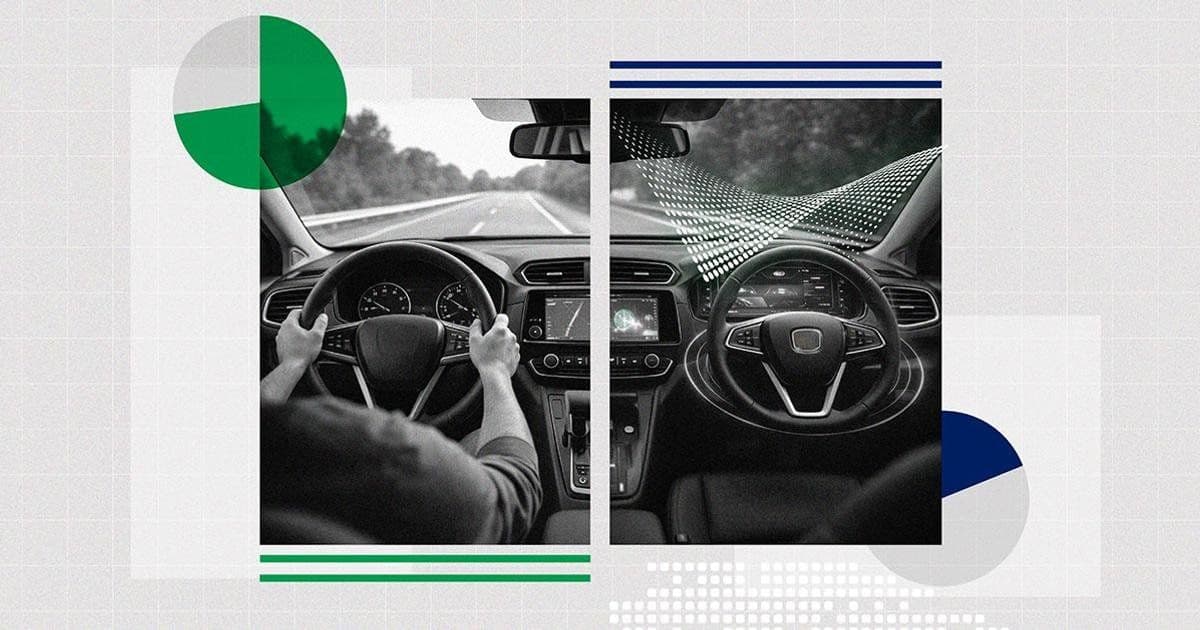
A recent Gallup poll reveals that while public expectations for widespread autonomous vehicle adoption have increased significantly since 2018, personal willingness to own or lease such vehicles has remained unchanged, highlighting the gap between technological optimism and consumer adoption.
Gallup Poll Shows Growing Acceptance of Autonomous Vehicles Despite Stagnant Purchase Intentions
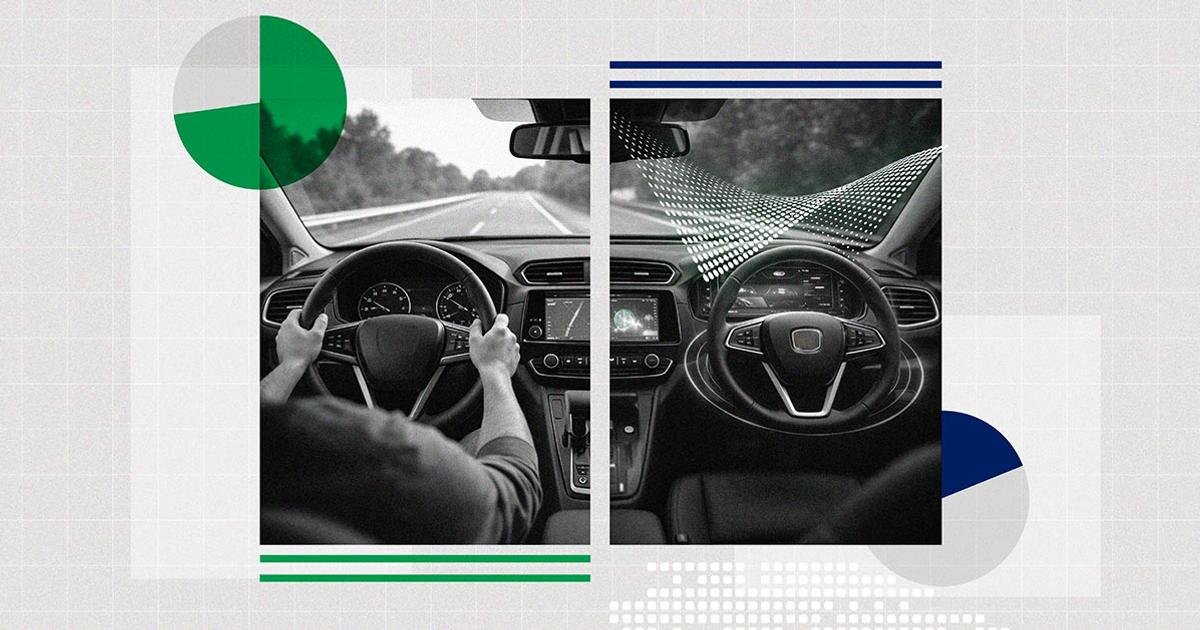
A recent Gallup poll indicates that American attitudes toward autonomous vehicles are evolving, with 31% of US adults now expecting driverless cars to become common within five years—a significant increase from the 19% who held this expectation in 2018. However, the poll also reveals that only 19% of respondents would personally own or lease a driverless car, a figure that has remained unchanged over the same eight-year period.
Rising Expectations, Stable Adoption Intentions
The poll results suggest a growing awareness and acceptance of autonomous vehicle technology among the general public. The 12-percentage-point increase in expectations for widespread adoption within five years reflects increased media coverage, technological demonstrations, and perhaps improved understanding of the technology's capabilities and limitations.
This growing optimism contrasts with the stable adoption intentions, which have remained at 19% since 2018. This dichotomy between technological acceptance and personal willingness to adopt raises important questions about the factors influencing consumer decisions regarding autonomous vehicles.
The Gap Between Hype and Reality
The persistent gap between expectations and personal adoption intentions may be attributed to several factors:
Safety concerns: Despite technological advancements, many consumers remain skeptical about the safety of autonomous systems, particularly in complex driving scenarios.
Cost considerations: Autonomous vehicles are likely to carry premium pricing, making them inaccessible to many potential buyers.
Trust and control: Many drivers may be reluctant to surrender control of their vehicles to automated systems, even if they acknowledge the technology's potential benefits.
Infrastructure limitations: The widespread adoption of autonomous vehicles depends on appropriate infrastructure, including smart road systems, consistent connectivity, and regulatory frameworks that are still under development.
Regional and Demographic Variations
The Gallup poll doesn't break down responses by demographic factors, but previous research has shown significant variations in autonomous vehicle acceptance based on:
- Age: Younger consumers tend to be more accepting of new technologies
- Geographic location: Urban residents may be more exposed to autonomous vehicle testing and demonstration
- Technological familiarity: Individuals with experience with advanced driver assistance systems may be more comfortable with full autonomy
Industry Implications
The poll results have significant implications for automotive manufacturers, technology companies, and policymakers:
Market segmentation: Companies may need to target early adopters while addressing the concerns of mainstream consumers.
Education and demonstration: Building trust through transparent communication and controlled demonstrations may be crucial for widespread adoption.
Regulatory development: Policymakers must balance innovation with safety considerations as autonomous technology continues to evolve.
Infrastructure investment: Government and private sector collaboration will be necessary to develop the supporting infrastructure for autonomous vehicles.
Historical Context
The Gallup poll provides a valuable longitudinal perspective on autonomous vehicle attitudes. The increase in expectations from 19% to 31% between 2018 and 2026 suggests that public perception is gradually catching up with the technological progress in the autonomous vehicle sector.
This timeline coincides with significant developments in the field, including increased investment from major automotive manufacturers, the entry of technology companies like Waymo and Cruise, and advancements in artificial intelligence and sensor technologies that have made autonomous driving more feasible.
Limitations and Considerations
While the Gallup poll offers valuable insights, it has several limitations:
Self-reported vs. actual behavior: What people say they might do doesn't always align with their actual purchasing decisions.
Definition ambiguity: The term "driverless cars" may be interpreted differently by respondents, affecting the reliability of responses.
Economic factors: The poll doesn't account for potential changes in economic conditions that could influence purchasing decisions.
Technological evolution: Autonomous vehicle technology continues to evolve rapidly, making current attitudes potentially outdated as capabilities improve.
The Path Forward
The poll results suggest that while public awareness and acceptance of autonomous vehicles are growing, significant barriers to widespread adoption remain. Industry stakeholders must address these challenges through:
Demonstrable safety: Providing transparent data on safety performance and real-world performance metrics.
Gradual introduction: Implementing autonomy in controlled environments before full public deployment.
Education initiatives: Helping consumers understand the benefits, limitations, and proper use of autonomous technology.
Regulatory clarity: Establishing clear guidelines and standards for autonomous vehicle development and deployment.
As autonomous vehicle technology continues to advance, ongoing research into public attitudes will be crucial for understanding the factors that influence adoption and for developing strategies to accelerate the transition to autonomous transportation.
The Gallup poll serves as an important benchmark in this evolving landscape, highlighting both the progress made and the challenges that remain on the path to widespread autonomous vehicle adoption.
Comments
Please log in or register to join the discussion