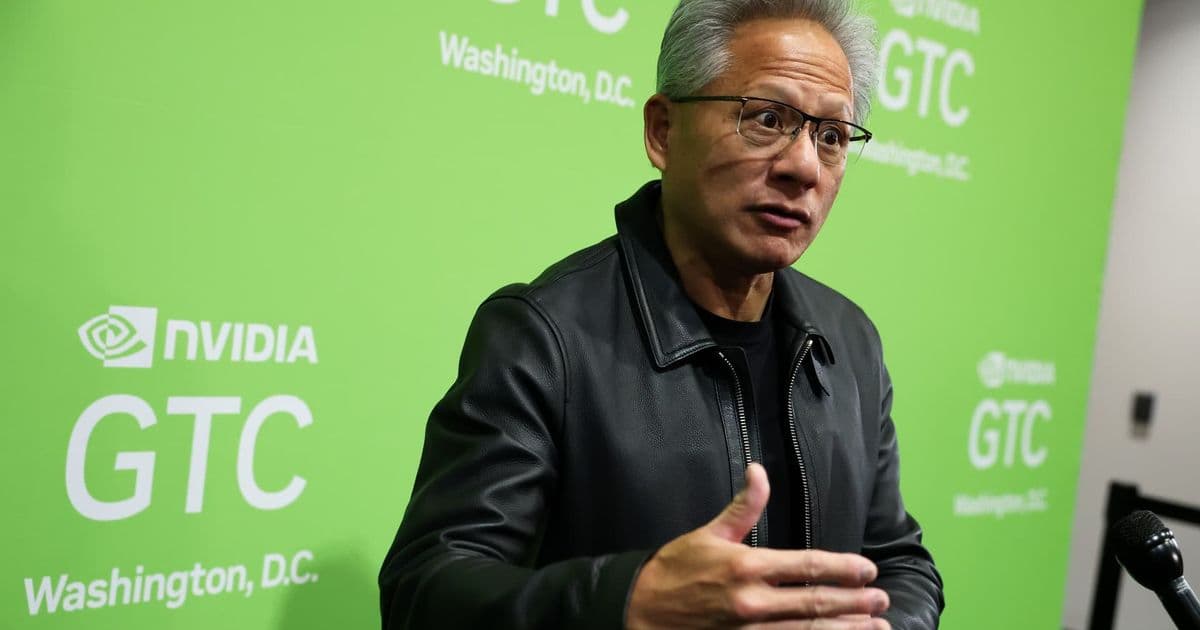
Nvidia's upcoming GTC 2026 conference is generating buzz with expected announcements of agentic-optimized CPUs, a CPU-only rack system, and other AI hardware innovations as the company expands beyond its GPU dominance.
Nvidia's annual GPU Technology Conference (GTC) returns on March 16, 2026, with the tech world anticipating significant announcements that could reshape the AI hardware landscape. The conference comes at a pivotal moment as agentic AI systems—autonomous software agents capable of complex decision-making—drive demand for new computing architectures beyond traditional GPU-centric designs.
The Shift Toward Agentic AI Hardware
The sudden advent of agentic artificial intelligence has exposed limitations in current GPU-centric computing models. While Nvidia's graphics processing units have dominated AI workloads for years, the new generation of autonomous agents requires different computational approaches, particularly for tasks involving long-term planning, reasoning, and multi-step problem-solving.
Industry analysts expect Nvidia to unveil agentic-optimized CPUs specifically designed to handle the unique demands of autonomous software agents. These processors would complement existing GPU offerings by providing specialized capabilities for tasks that don't map efficiently to parallel processing architectures.
CPU-Only Rack System
Perhaps the most intriguing rumor involves a CPU-only rack system that would mark a significant departure from Nvidia's GPU-first strategy. This system appears designed for data centers and enterprises that need to run agentic AI workloads without the full computational overhead of GPU clusters.
The move suggests Nvidia recognizes that not all AI workloads require massive parallel processing power, and that energy efficiency and cost-effectiveness will become increasingly important as agentic AI deployments scale across industries.
Market Context and Competition
Nvidia's expansion into CPU territory comes as TSMC's N3 logic wafer capacity has become one of the AI industry's biggest constraints. The shortage has pushed customers to explore greater foundry diversification, creating opportunities for competitors and potentially accelerating Nvidia's timeline for new product releases.
Dylan Patel, founder of SemiAnalysis, notes that an H100 GPU is worth more today than three years ago, highlighting the sustained demand for AI hardware despite supply constraints. However, the industry's bottleneck isn't just in logic chips—memory constraints and datacenter bottlenecks are also creating pressure for more diverse hardware solutions.
Broader Industry Implications
The timing of Nvidia's announcements coincides with several industry shifts. Meta is reportedly planning sweeping layoffs that could affect 20% or more of the company, amid mounting AI infrastructure costs. The social media giant had approximately 79,000 employees as of December 31, and the cuts reflect the intense pressure to optimize AI infrastructure spending.
Meanwhile, the US Army has awarded Anduril a 10-year contract worth up to $20 billion to buy its software, hardware, and services. This massive defense contract underscores how critical AI hardware has become to national security and military applications, potentially influencing Nvidia's product development priorities.
What to Expect at GTC 2026
Beyond the CPU announcements, attendees can anticipate:
- Updates on Nvidia's next-generation GPU architectures
- New software frameworks optimized for agentic AI workloads
- Partnerships with cloud providers and enterprise software companies
- Demonstrations of real-world agentic AI deployments
- Energy efficiency improvements for datacenter operations
The conference will also likely address the ongoing supply chain challenges that have affected the AI industry, including TSMC's wafer shortages and memory constraints that have created bottlenecks in datacenter expansion.
The Road Ahead
Nvidia's GTC 2026 represents more than just a product announcement event—it signals the company's recognition that the AI hardware market is evolving beyond its traditional GPU stronghold. As agentic AI systems become more sophisticated and widespread, the computing infrastructure supporting them must become more specialized and diverse.
The success of Nvidia's new offerings will depend not just on technical specifications but on how well they address the practical needs of enterprises deploying agentic AI at scale. Energy efficiency, cost-effectiveness, and integration with existing infrastructure will be as important as raw performance metrics.
For developers, researchers, and enterprise IT leaders, GTC 2026 offers a glimpse into the future of AI computing—one where GPUs remain essential but no longer tell the whole story of how artificial intelligence will be built and deployed in the coming years.
[Image:1]
The featured image shows the main conference hall at a previous GTC event, with thousands of attendees gathered to hear about the latest developments in AI and accelerated computing.
Comments
Please log in or register to join the discussion