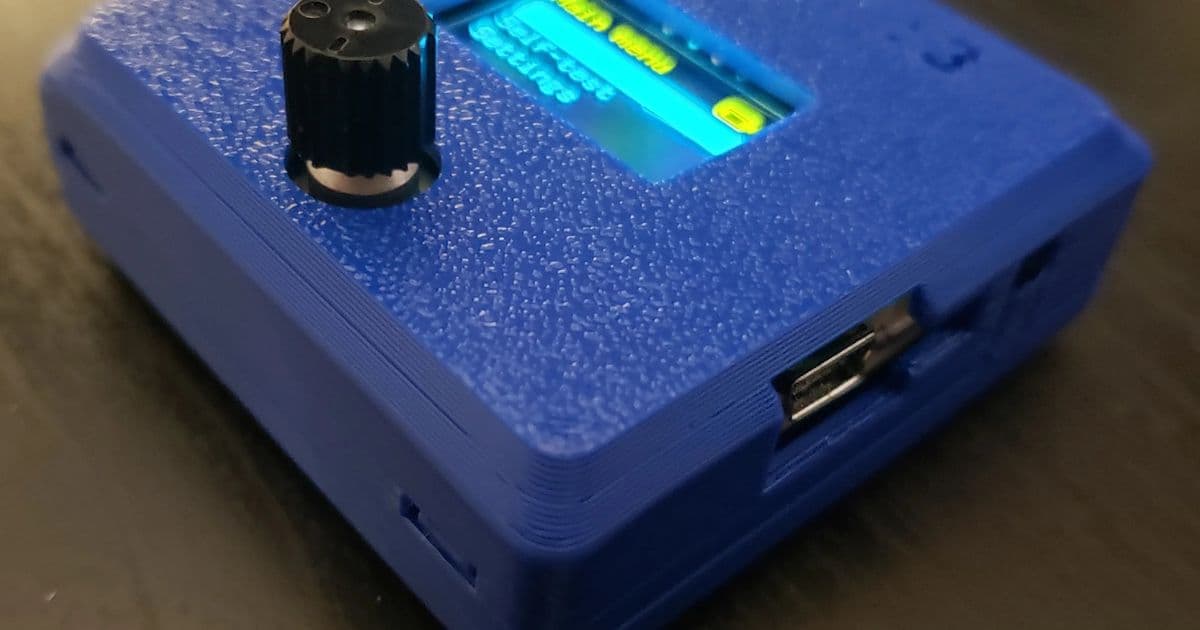
An analysis of a DIY hair electrolysis machine project that explores the intersection of electronics, personal healthcare, and democratizing access to cosmetic procedures.
The emergence of increasingly sophisticated DIY personal care devices represents a fascinating convergence of maker culture and healthcare autonomy. The recent project detailing the construction of a custom hair electrolysis machine offers a compelling case study in how individuals are circumventing expensive professional services through technical innovation. This article examines the technical approach, design evolution, and broader implications of such projects in the landscape of personal technology and healthcare access.
Technical Foundations: Understanding Galvanic Electrolysis
The author's choice to focus on galvanic electrolysis rather than thermolysis or blend methods reveals a pragmatic approach to balancing technical complexity with safety. Galvanic electrolysis, the simplest of the three main types, relies on the chemical generation of lye (sodium hydroxide) within the hair follicle through electrolysis. This method, while slower than its RF-based counterparts, offers significant advantages for DIY implementation:
- Well-documented specifications in medical literature
- Lower risk of burns or scarring compared to RF methods
- Predictable outcomes based on current-time calculations
The technical details provided demonstrate a solid understanding of the underlying principles. The author explains that the amount of lye generated is directly proportional to the integral of current over time, measured in Lye Units (LU), where 1 mA for 1 second produces 10 LU. This quantitative approach allows for precise treatment parameters based on hair type and depth, with specific LU ranges provided for different categories of hair from fine vellus to very deep terminal.
Iterative Design and Technical Evolution
The project's development through multiple revisions (rev 1, rev 2, and rev 3) exemplifies the engineering design process in a personal context. Each iteration addressed specific limitations while building upon previous successes:
- Rev 1: A crude proof-of-concept using a car battery, potentiometer, and improvised electrode (a pop can)
- Rev 2: A more sophisticated design with microcontroller control, featuring a charge pump for voltage boosting and a current DAC
- Rev 3: A refined version addressing all major issues, including improved components, better layout, and enhanced safety features
The technical challenges encountered reveal the complexity of what appears on the surface to be a relatively simple device. Issues such as current leakage through the BJT transistor, inadequate ADC resolution, and GPIO pin damage demonstrate that even experienced makers encounter significant hurdles when designing specialized electronics. The solution of replacing the BJT with a MOSFET and implementing dedicated DAC and ADC chips highlights the importance of component selection in achieving precision control.
The inclusion of a custom 3D-printed electrolysis pen demonstrates another dimension of the project, showing how mechanical design complements electronics in creating a complete, usable device. The clever adaptation of DE-9 connector pins for needle attachment exemplifies the resourcefulness often required in DIY projects.
Democratizing Cosmetic Technology
Beyond the technical details, this project speaks to a broader theme of democratizing access to cosmetic procedures. The author notes that DIY electrolysis is "not that unheard of in the transfem community," suggesting that this project exists within a context of individuals seeking alternatives to expensive professional treatments.
The economic argument is compelling. Professional electrolysis treatments can cost hundreds or thousands of dollars over time, making a DIY alternative financially attractive for those with the necessary technical skills. More significantly, the project enables on-demand treatment at home, eliminating the need for appointments and providing greater flexibility.
This aligns with a growing trend of individuals taking control of their personal care through technology. From skincare devices to custom formulations, people increasingly leverage technical knowledge to create solutions tailored to their specific needs rather than relying on mass-market products or services.
Safety and Ethical Considerations
Despite the project's technical sophistication, the author appropriately emphasizes the risks involved. The disclaimer about lacking medical qualifications and the explicit statement that "I can't recommend reproducing it" acknowledge the significant safety concerns associated with DIY medical devices.
The dangers are multifaceted:
- Incorrect polarity could generate hydrochloric acid instead of lye, increasing scarring risk
- Inadequate current control could cause tissue damage
- Improper technique might lead to infection or other complications
These concerns highlight the tension between technological empowerment and professional expertise. While the author has clearly taken precautions (testing with multimeters and scopes before connecting to their body), the average person attempting such a project might not possess the same level of technical knowledge or safety awareness.
The project also raises questions about regulatory oversight. Unlike professionally manufactured medical devices, this DIY creation exists in a regulatory gray area, potentially putting users at risk without the safeguards typically provided by approved treatments.
The Intersection of Technical Skill and Personal Needs
What makes this project particularly interesting is how it exemplifies the intersection of technical skill and personal needs. The author's background in electronics engineering enables them to design and build a device that solves a personal problem in a way that commercial products cannot.
The firmware development using Rust and the Embassy framework demonstrates the software side of this technical expertise, with features like current ramping to reduce discomfort and automatic shutoff when the target lye amount is reached. The attention to user experience, including the "cute" beeps and boops from the piezo buzzer, shows an understanding that even medical devices can benefit from thoughtful design.
The CI/CD pipeline developed for the hardware represents another layer of technical sophistication, ensuring repeatability and reliability in the manufacturing process. This attention to process quality further distinguishes the project from typical hobbyist endeavors.
Broader Implications for DIY Healthcare
This project exists within a larger context of DIY healthcare technology, ranging from 3D-printed prosthetics to open-source medical devices. The trend reflects several underlying factors:
- Increasing accessibility of tools and knowledge - Modern electronics, 3D printing, and online resources make complex projects more achievable
- Distrust of commercial healthcare systems - Some individuals seek alternatives they perceive as more responsive to their needs
- Cost concerns - Healthcare expenses continue to rise, driving interest in DIY alternatives
- Technical empowerment - People with specialized skills increasingly apply them to solve personal problems
The electrolysis machine project suggests that we may see more specialized DIY medical devices in the future, particularly in areas where commercial solutions are expensive, inaccessible, or poorly tailored to individual needs. This trend could potentially democratize certain aspects of healthcare but also raises significant safety and regulatory questions.
Conclusion: A Case Study in Technical Autonomy
The DIY hair electrolysis machine represents more than just an interesting electronics project; it exemplifies a growing movement of individuals leveraging technical skills to take control of their personal care needs. Through careful iteration, attention to safety, and deep technical knowledge, the author has created a solution that addresses both practical and economic concerns.
The project's open-source nature, with hardware designs and firmware available publicly, contributes to the body of knowledge in this niche area. While the author appropriately cautions against replication, the documentation serves as both a technical reference and a case study in the design process for complex electronic systems.
As we continue to see the boundaries between technology and healthcare blur, projects like this will become increasingly important to understand. They represent not just technical achievements, but also statements about autonomy, access, and the changing relationship between individuals and their health needs. The electrolysis machine stands as a testament to what can be achieved when personal needs intersect with technical expertise, even as it reminds us of the importance of balancing innovation with safety.
Comments
Please log in or register to join the discussion