
The MemoMind One AR glasses combine a high-brightness display with a camera-free design, offering practical AR functionality without drawing attention. As they approach their Kickstarter launch, we examine how these glasses position themselves in the competitive AR market.
What's New
The MemoMind One represents an interesting approach to augmented reality eyewear, focusing on practical functionality while maintaining a discreet appearance. Unlike many AR glasses that prioritize camera-based features, MemoMind has taken a different path by implementing a camera-free design that still delivers useful augmented reality experiences.
At the heart of the device is an integrated display capable of reaching peak brightness of 2,000 cd/m², which is significantly higher than most consumer AR glasses on the market. This brightness level ensures that the projected information remains visible even in well-lit environments, addressing one of the common complaints with early AR glasses. The virtual display can be adjusted to appear at distances from one to five meters, allowing users to position the information at a comfortable viewing distance.
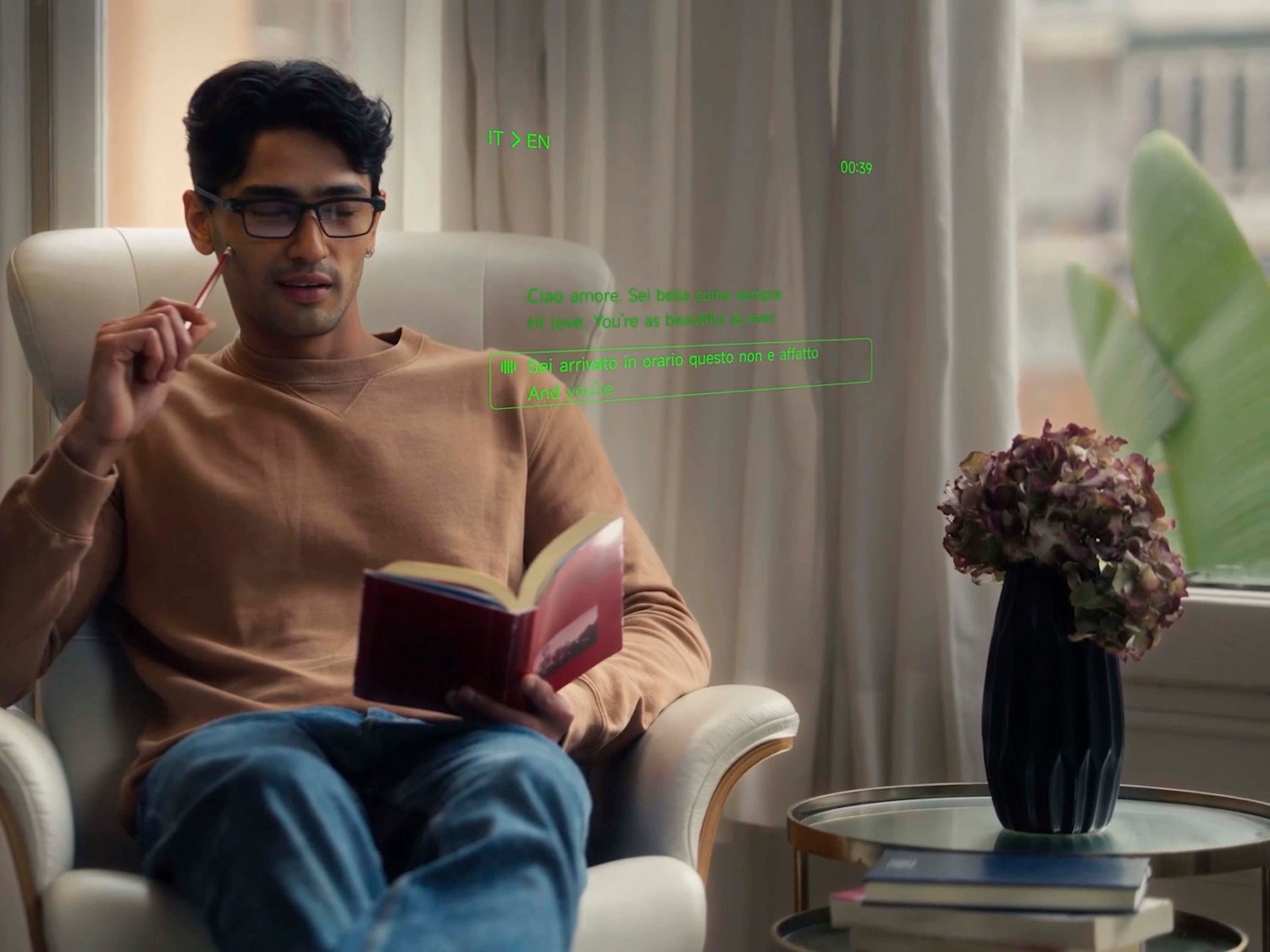
The glasses support a range of practical applications including real-time translation overlays, teleprompter functionality for presentations, turn-by-turn navigation with map integration, and calendar management directly in the user's field of view. These features target specific use cases rather than attempting to be a comprehensive AR platform, which may appeal to users looking for focused functionality rather than experimental technology.
How It Compares
When compared to other AR glasses on the market, the MemoMind One takes a distinctly different approach. Most competing devices, such as the Ray-Ban Meta Smart Glasses or the Snap Spectacles, incorporate cameras for capturing and augmenting the real world. By eliminating the camera, MemoMind has created a device that's more focused on information display rather than environmental interaction.
The 2,000 cd/m² brightness puts the MemoMind One ahead of many consumer AR glasses, which typically range from 500-1,000 cd/m². This higher brightness should make the device more usable in various lighting conditions, though it also likely impacts battery life.
In terms of functionality, the MemoMind One offers a curated set of features rather than attempting to be a general-purpose computing platform. This approach contrasts with devices like the Apple Vision Pro or Microsoft HoloLens, which aim to create more comprehensive mixed reality experiences. The MemoMind's focus on practical applications like translation and navigation suggests it's targeting productivity and convenience rather than entertainment or complex spatial computing.
The pricing at $599 for the base model positions the MemoMind One in the mid-range of consumer AR glasses. This is less premium than some competitors but still represents a significant investment for a device with a narrow focus. The option for prescription lenses adds accessibility, though at an additional cost.
Who It's For
The MemoMind One appears designed for professionals and productivity-focused individuals who need discreet access to information without drawing attention. The camera-free design makes these glasses particularly suitable for environments where recording devices might be prohibited or unwelcome, such as corporate meetings, healthcare settings, or educational institutions.
The real-time translation feature could be valuable for international business professionals or travelers who need to communicate across language barriers. The teleprompter functionality might appeal to speakers, presenters, or content creators who need to maintain eye contact while accessing scripts.
The turn-by-turn navigation with map integration could benefit delivery drivers, cyclists, or pedestrians who need directions without constantly checking their phones. Calendar management in the field of view might appeal to busy professionals who need to stay on top of their schedules while on the move.
The compatibility with both Android and iOS ensures broad accessibility, though the specific implementation and quality of these features across platforms would need to be evaluated. The multiple control options—voice commands, gesture recognition, and physical button—provide flexibility for different user preferences and situations.
The subscription model for advanced features suggests that the base device offers core functionality, with premium features available for an additional fee. This approach allows for a lower entry price while potentially increasing revenue over time, though it raises questions about the total cost of ownership.
Potential users should consider whether the specific features offered align with their needs, as the MemoMind One appears to excel at certain applications while omitting others. The camera-free design, while beneficial for discretion, limits the device's capabilities compared to more comprehensive AR solutions.
As the AR glasses market continues to evolve, devices like the MemoMind One represent an interesting middle ground between fully-featured mixed reality headsets and simple smart glasses. By focusing on practical functionality and discretion, MemoMind may carve out a niche among users who value utility over experimentation.
The upcoming Kickstarter campaign scheduled for May 28 will provide an opportunity for potential buyers to learn more about the final specifications, pricing tiers, and feature implementation. Early adopters should consider the deposit requirement and potential subscription costs when evaluating the total investment.
Comments
Please log in or register to join the discussion