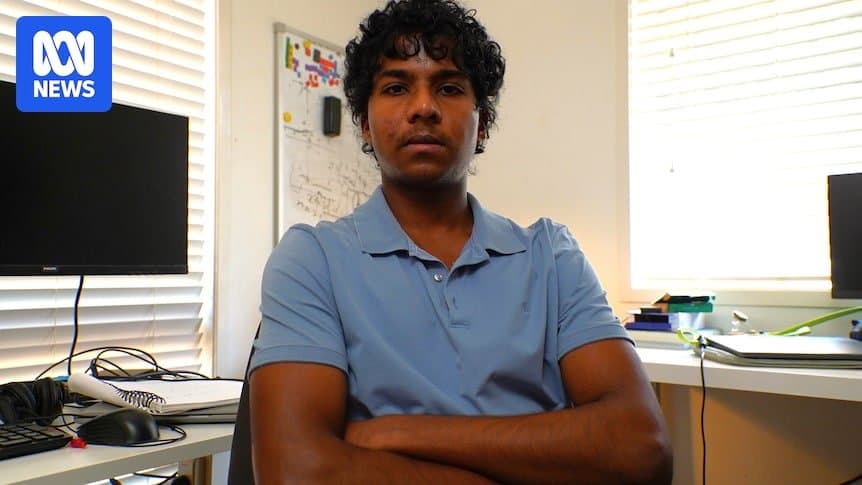
Two 17-year-old Australian entrepreneurs have created 'Thadus,' an offline coding education app designed to bring computer science skills to students in rural Sri Lanka and beyond.
When Neth Dharmasiri was 11 years old, his father handed him a beginner's guide to Python, one of the world's most popular coding languages. What started as a simple gift would spark a journey that would take him from his bedroom in Australia to rural villages in Sri Lanka, and eventually to the creation of a startup aimed at democratizing access to coding education.
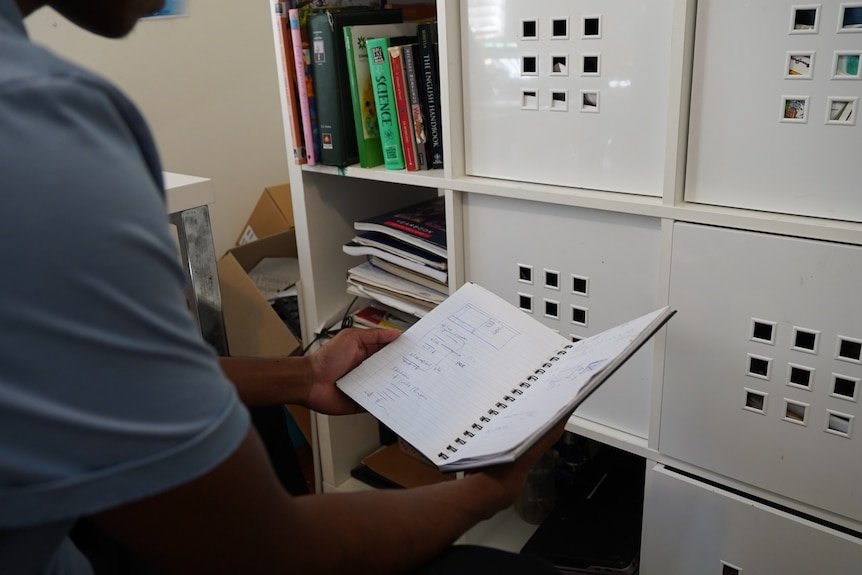
Fast forward six years, and the now-17-year-old has not only mastered coding but has built his own basic programming language from scratch. "I've been developing it for the past year and doing a lot of user interface changes on it but it's a fully functioning programming language," Neth explained. His journey from curious beginner to language creator showcases the transformative power of coding education when given the right resources and support.
The Eureka Moment in Rural Sri Lanka
Neth's path to entrepreneurship took a decisive turn during a trip to his parents' homeland of Sri Lanka last year. While visiting a tiny rural village, he stumbled upon a computer lab with just six machines. "They had six computers and the kids were watching YouTube, doing tutorials and stuff on it," he recalled. "I just felt the technology was really empowering them and I thought that everyone should have access to this education."
This experience crystallized what Neth already knew from his own background: coding education remains a luxury unavailable to many students worldwide. "I can look around and there are tonnes of monitors around me, whereas [in rural Sri Lanka] a lot of them come from farming backgrounds. They don't have a lot of resources, definitely don't have a lot of technology."

Building Thadus: A Solution for the Offline World
Returning to Australia, Neth teamed up with his friend Chinmay Lal, also 17, to create 'Thadus' – a digital learning tool designed specifically for beginners in areas with limited internet connectivity. The app's core innovation lies in its ability to run completely offline, addressing one of the biggest barriers to digital education in rural and developing regions.
"One of the main design features of the app is that it can be used offline," Neth emphasized. This seemingly simple feature represents a fundamental understanding of the challenges facing students in areas with patchy internet connection.
The app is structured into three progressive courses, each building on the last to provide a comprehensive introduction to coding concepts. "Course three is data science and I think that's the most important course," Neth noted. "Considering data science is a really important skill because of the AI boom at the moment."
Philanthropic Partnership and Global Impact
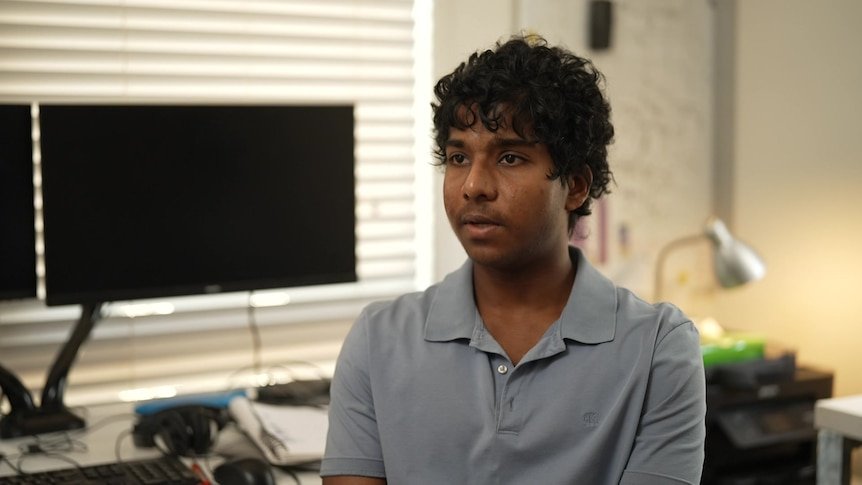
Recognizing the potential of their creation, Neth and Chinmay partnered with renowned Sri Lankan philanthropist Kushil Gunasekera. Mr. Gunasekera's work in bridging Sri Lanka's urban-rural divide has earned him international recognition, including a 2018 humanitarian award from the British government on behalf of Queen Elizabeth II.
"I can't adequately emphasise the need and how important it is to structure and train these kids," Mr. Gunasekera said. Through his Foundation of Goodness charity, which operates 22 computer labs across rural Sri Lanka, the philanthropist sees Thadus as a powerful tool for expanding access to digital education.
The statistics paint a stark picture of the challenge: "Most of [the students] don't have computers at home ... it's about 18 per cent in the real estate areas, in the Up Country it's about 5pc perhaps." This digital divide represents not just an educational gap but a potential economic barrier for an entire generation.

A For-Profit Venture with a Social Mission
While Neth's startup, Thadus CodeLabs, operates as a for-profit venture, the young entrepreneurs have committed to making the app free for not-for-profits and charities. This hybrid model – combining commercial viability with social impact – represents an increasingly common approach among young entrepreneurs who want to build sustainable businesses while addressing pressing social issues.
"The fact [the boys] want to share the app at this very early stage gives them that special edge and I feel when you help those who cannot repay the favour, it's a true hallmark of their character," Mr. Gunasekera observed.
The Broader Context: Coding as a Fundamental Skill
Education experts increasingly view coding as becoming as important for students as traditional literacy and numeracy. Dr. Louise Puslednik, a science education lecturer at the University of Southern Queensland, emphasized the global nature of the digital divide. "Around a quarter of Australia's population don't have great access to digital products and services," she noted. "What that means for students in those regional areas is that they're not able to easily engage in things such as coding programs and develop those digital competency skills."
Dr. Puslednik sees particular value in how Neth and Chinmay approached the problem. "The students who have developed this, they've been able to identify a problem to then be able to work towards a solution." This ability to recognize a need and create a targeted solution demonstrates the kind of critical thinking that coding education itself fosters.
The Future of Digital Education
Neth's journey from a curious 11-year-old receiving a Python guide to a 17-year-old startup founder illustrates both the accessibility of coding education and the barriers that still exist. "I'm not gifted, I'm not particularly intelligent," he insists. "There's so many resources at our disposal, it's just a matter of making sure everyone has access to them."
This perspective – that coding is a learnable skill rather than an innate talent – is crucial for expanding access to digital education. By creating tools that work offline and partnering with organizations that can distribute them widely, Neth and Chinmay are demonstrating how technology can be leveraged to address educational inequality.
The success of Thadus could serve as a model for similar initiatives in other developing regions, showing how young entrepreneurs can combine technical skills with social awareness to create meaningful change. As the world becomes increasingly digital, ensuring equitable access to coding education may be one of the most important challenges facing educators and entrepreneurs alike.
Comments
Please log in or register to join the discussion