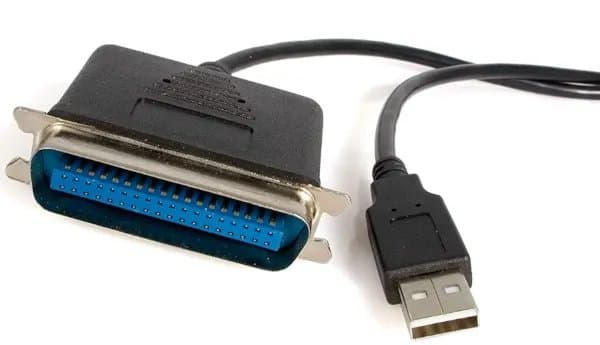
The Free Software Foundation is hiring an engineering and certification manager to lead their Respect Your Freedom program, which has historically certified dated hardware like USB printer cables and basic WiFi adapters. The new hire will shape the technical direction of RYF certification moving forward.
The Free Software Foundation (FSF) is seeking a new engineering and certification manager to lead their Respect Your Freedom (RYF) hardware certification program, marking a potential turning point for an initiative that has struggled to certify hardware relevant to mainstream users. The position, posted on March 10, 2026, offers a fixed salary of $83,034 per year and comes with the responsibility of shaping the technical and strategic direction of the RYF program moving forward.

The RYF program, established to certify hardware that respects user freedom and privacy, has historically focused on devices that require no proprietary firmware blobs at runtime, avoid digital rights management, and align with FSF's free software principles. While the program has certified some notable hardware like the POWER9-powered Raptor Computing Systems Talos II workstation—a favorite among open-source enthusiasts and security-conscious users—the majority of certified devices have been decidedly niche.
A review of recent RYF certifications reveals a pattern of dated peripherals being resold at premium prices. In 2024 alone, the program certified an 802.11n WiFi USB adapter that, besides being slow, costs €50—a steep price for technology that's been obsolete for years. The certification list also includes USB to parallel printer cables, 10/100 Mbps routers, and even a basic USB microphone. These devices share common characteristics: they don't require firmware at runtime and have existing open-source drivers, but they're largely irrelevant to modern computing needs.
The hiring of a new manager represents an opportunity for the FYF program to evolve. The ideal candidate will need to balance the FSF's strict free software principles with the practical realities of modern hardware development. Today's devices increasingly rely on firmware for basic functionality, making it challenging to find hardware that meets RYF standards while remaining useful to average users.
The position requires someone who can navigate the complex relationship between hardware manufacturers and the open-source community. They'll need to identify manufacturers willing to design hardware with freedom-respecting principles from the ground up, rather than simply certifying existing devices that happen to meet minimal criteria. This could involve working with companies to develop new hardware that combines modern performance with open-source compatibility.
For the open-source community, a revitalized RYF program could provide much-needed guidance on which hardware truly respects user freedom. Currently, many users who care about software freedom must navigate a confusing landscape of devices, often settling for hardware that partially meets their needs or paying premium prices for outdated technology.
The $83,034 salary reflects the challenging nature of the role—balancing technical expertise with community engagement and manufacturer relations. The successful candidate will need deep knowledge of hardware architecture, firmware development, and the open-source ecosystem, combined with the diplomatic skills to work with companies that may not fully embrace FSF's philosophy.
Interested candidates can find more information about the position on the FSF's careers page. The hiring decision could prove pivotal for the future of hardware freedom certification and may determine whether the RYF program remains a certification for obscure peripherals or evolves into a meaningful standard for privacy-conscious consumers.
The timing is particularly interesting given the current state of the hardware market, where concerns about privacy, security backdoors, and user control are increasingly mainstream. A reinvigorated RYF program could potentially bridge the gap between the FSF's ideals and the practical needs of users who want both freedom-respecting and contemporary hardware.
Whether this new leadership can transform the RYF program from certifying USB printer cables to endorsing hardware that mainstream users would actually want to buy remains to be seen. The challenge will be finding or encouraging the development of hardware that meets strict free software criteria while offering the performance and features that modern users expect.
Comments
Please log in or register to join the discussion