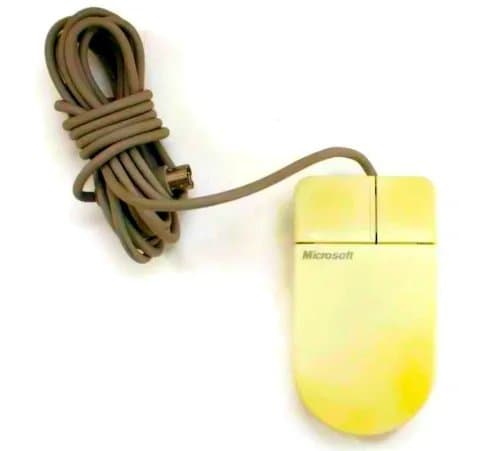
The upcoming Linux 7.1 kernel drops a set of legacy input drivers, including bus mouse support, as part of a cleanup effort for hardware that has not been relevant for decades. This article explains which drivers are removed, why they are being retired, and what the changes mean for developers and users maintaining older systems.
Linux 7.1 continues the tradition of pruning outdated code from the kernel tree. This week the input subsystem saw a batch of driver removals targeting hardware that has not seen practical use for twenty to thirty years. The most notable casualties are the bus mouse drivers, which once allowed ISA add‑in cards to provide pointing devices on early PCs.
Removed drivers
- InPort / Microsoft / ATI XL busmouse driver – supported mice connected via an ISA busmouse interface.
- Logitech Bus Mouse "Logibm" driver – another ISA‑based solution for Logitech devices.
- Palm Top PC 110 touchpad driver – served a Japanese PDA released in 1995.
- ICS MicroClock MK712 touchscreen driver – used by a handful of early‑2000s touchscreen panels.
- CT82C710 driver – provided a Chips & Technologies PS/2 mouse interface found on Intel 386/486 laptops such as the TI TravelMate and Gateway Nomad.
- OLPC HGPK PS/2 protocol support – a niche protocol for ALPS touchpads in One Laptop Per Child machines; it has been broken since 2015 and saw no user complaints for over a decade.
Alongside these deletions, the input subsystem gained a few new drivers: a Charlieplex GPIO keypad driver, an aw86927 driver adding support for the 86938 ASIC, and an extension to the Chrome OS keyboard driver for Fn‑key keymap handling.
Why the removals happen The kernel maintainers cite two main reasons. First, the hardware simply no longer exists in any meaningful deployment. Bus mice, for example, were superseded by PS/2 and USB mice in the mid‑1990s, and finding a working ISA busmouse card today is a rarity. Second, keeping obsolete drivers adds to the maintenance burden, increases the risk of bugs, and can complicate security audits. By removing them, the kernel shrinks its attack surface and reduces the chance of stale code causing regressions.
Impact on users and developers For the vast majority of modern systems, the changes are invisible. Contemporary distributions already rely on evdev, libinput, or USB/HID stacks for input devices. Users who still run legacy hardware on older kernels will need to stay on a kernel version prior to 7.1 or compile the removed drivers as out‑of‑tree modules if they absolutely require them. Developers maintaining embedded or industrial systems that depend on the OLPC HGPK protocol should verify whether their devices still function with the current stack or consider migrating to a newer interface.
Overall, the cleanup reflects the kernel’s ongoing effort to balance backward compatibility with code health. While saying goodbye to bus mouse support may evoke nostalgia for early PC enthusiasts, it also makes room for newer, more relevant drivers and helps keep the Linux kernel lean and secure.
Comments
Please log in or register to join the discussion