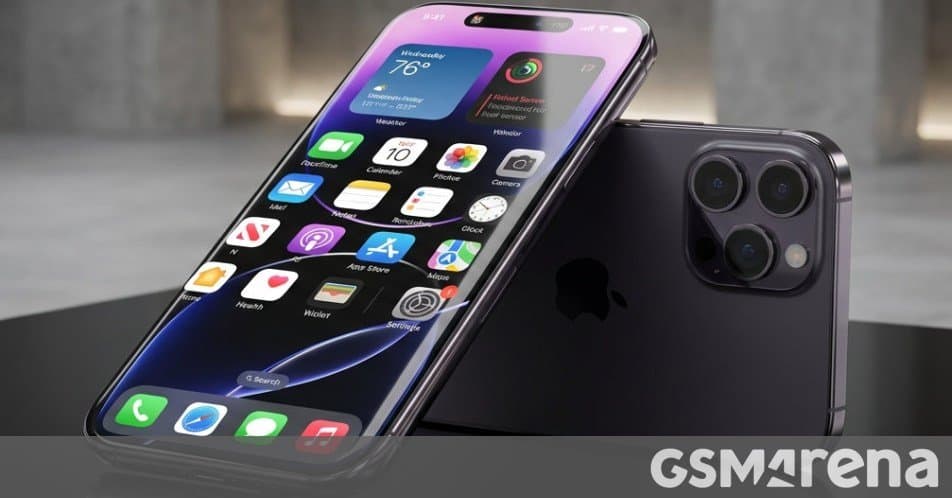
As Apple approaches the iPhone's 20th anniversary in 2027, new leaks suggest a radical design shift with a quad-curved display developed in partnership with Samsung, marking a significant departure from the company's long-standing preference for flat screens.
The iPhone is approaching its 20th anniversary in 2027, and Apple appears to be preparing something truly special to mark this milestone. According to a recent leak from prolific tipster Digital Chat Station on Weibo, Apple is collaborating with Samsung on developing a revolutionary quad-curved display for its anniversary iPhone model. This potential design shift represents a dramatic departure from Apple's long-held preference for flat displays that have defined the iPhone's aesthetic since its inception in 2007.
The rumored quad-curved display would feature edges that curve on all four sides, with Apple customizing the curvature radius to match its design vision. This would mark a significant reversal of Apple's influence on the smartphone industry, which has pushed manufacturers toward flat displays over the past decade. While Chinese smartphone makers have experimented with quad-curved designs in recent years, Apple's adoption of such a design would legitimize the approach in the eyes of many consumers and potentially influence future industry trends.
One particularly interesting aspect of this rumored display is the absence of a polarizer. Display polarizers are essential components that control light transmission and reduce glare, but they also add thickness to the display panel. By eliminating the polarizer, Apple could achieve a slimmer profile for the iPhone, potentially allowing for a thinner device or additional internal components without increasing the overall size. This approach isn't entirely unprecedented, as some manufacturers have experimented with polarizer-free displays, but implementing it in a mainstream flagship device would represent a significant technical achievement.
The quad-curved display raises questions about how Apple would address practical concerns that have plagued curved displays in the past. These include issues with accidental touches on the curved edges, screen protector compatibility, and potential distortion of content near the edges. Apple's reputation for refined user experience suggests the company has solutions for these challenges, though the specifics remain unclear at this point. Previous rumors suggested Apple was exploring an "all-screen" design, though current display technology may not yet support such an ambitious approach.
From an ecosystem perspective, this potential design shift could have far-reaching implications. Apple's influence on the smartphone industry is undeniable, and if the company adopts quad-curved displays, it could accelerate the trend away from flat screens that Android manufacturers have been gradually pursuing. This would impact not just device aesthetics but also accessory markets, as cases, screen protectors, and mounts would need to be redesigned to accommodate the new form factor.
The timing of this potential design innovation aligns with Apple's historical pattern of introducing significant changes in anniversary models. The iPhone 4 introduced the Retina display, the iPhone 5 brought a larger form factor, the iPhone 6 introduced larger displays, and the iPhone X revolutionized the industry with Face ID and an edge-to-edge display. A quad-curved display on the 20th anniversary iPhone would continue this tradition of milestone innovations.
Samsung's involvement in this rumored development is particularly noteworthy. While Samsung currently supplies OLED displays for many iPhone models, a deeper collaboration on a specialized display technology like this would represent an even closer partnership. The relationship between Apple and Samsung has been complex, characterized by both competition and cooperation, with Samsung being a key component supplier despite being Apple's primary competitor in the smartphone market.
From a technical standpoint, quad-curved displays present unique manufacturing challenges. The curvature must be precisely controlled to ensure uniform image quality across the entire surface, and the display must be durable enough to withstand daily use. The removal of the polarizer adds another layer of complexity, as alternative technologies would need to be implemented to manage light transmission and viewing angles effectively.
As we approach 2027, we can expect more leaks and rumors about Apple's anniversary plans. The company typically maintains strict secrecy around its product development, but as the milestone approaches, details are likely to emerge through various channels. Industry analysts will be watching closely to see if Apple can deliver on this rumored innovation while maintaining the quality and user experience that have become synonymous with the brand.
The potential adoption of a quad-curved display would represent more than just a cosmetic change for the iPhone. It would signal Apple's willingness to experiment with new form factors and potentially open up new design possibilities for future generations. Whether this rumored design comes to fruition or not, it underscores Apple's continued position as an industry trendsetter that can influence the direction of smartphone technology for years to come.
Comments
Please log in or register to join the discussion