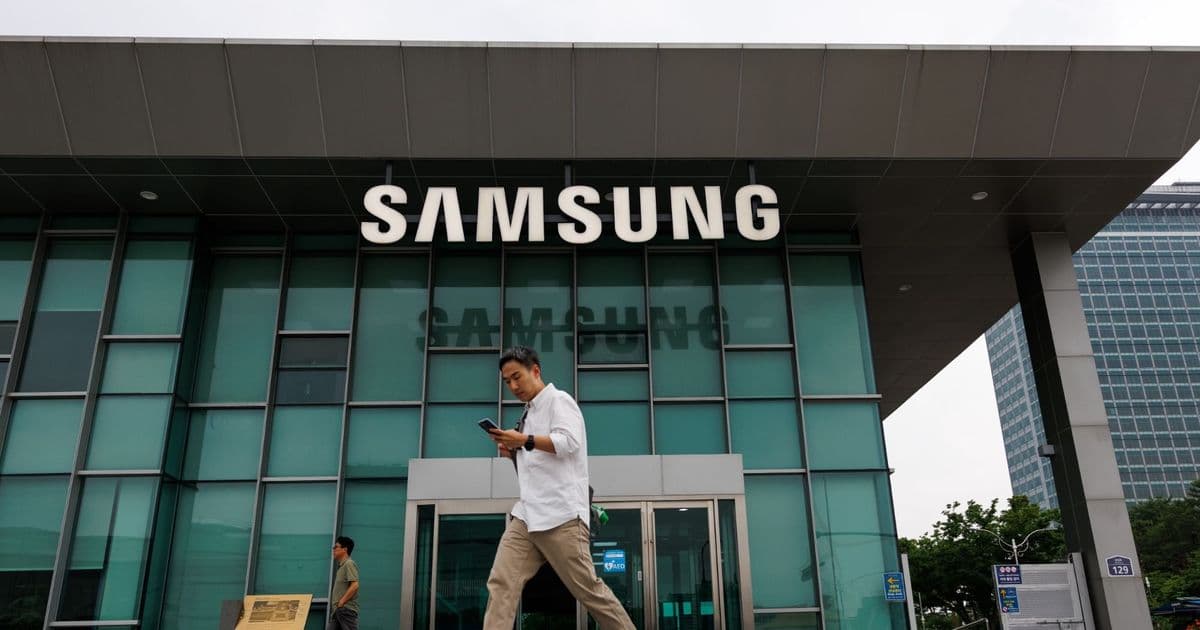
Samsung's semiconductor production experienced a significant 58% drop in foundry operations during a one-day labor strike, with the union threatening an 18-day walkout that could cost $20 billion if management refuses to meet demands for substantial bonuses and wage increases.
Samsung Electronics faced a substantial disruption in semiconductor manufacturing operations as a labor strike led to production declines of 18% in memory fabs and 58.1% in contract chip foundries during the night shift of April 23. The strike, organized by the company's labor union, represents a significant challenge to Samsung's semiconductor operations at a critical time in the industry cycle.
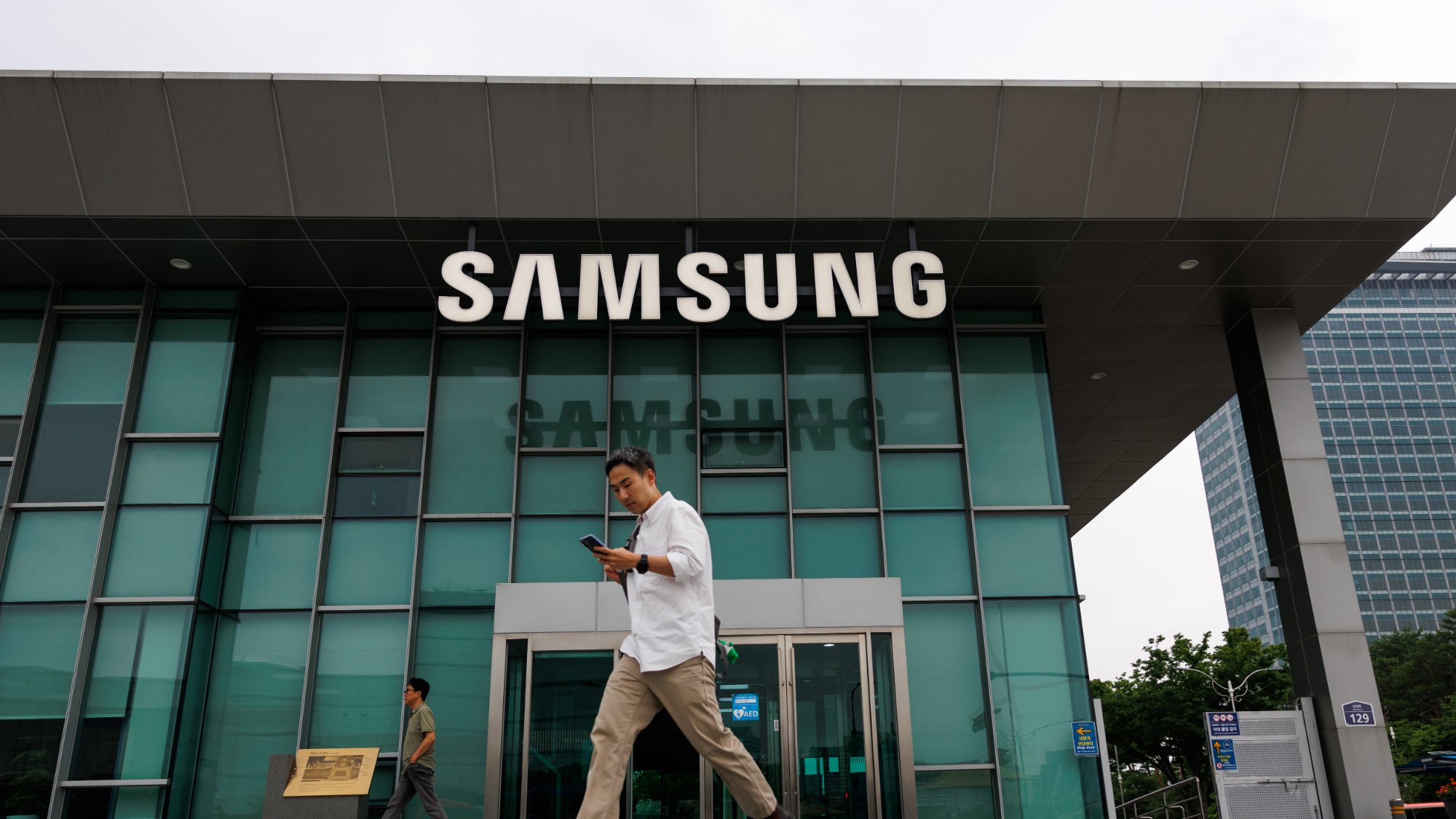
According to Seoul Economic Daily, citing union officials, the immediate impact of the one-day strike was concentrated in the night shift operations. The "Joint Struggle Headquarters" has indicated that unless company management reaches a satisfactory agreement with workers, it will escalate to a larger 18-day labor action beginning May 21. The union estimates that this prolonged strike would cost Samsung approximately KRW 30 trillion, equivalent to over $20 billion in lost production and revenue.
Labor Dispute Details
The core of the disagreement centers around compensation demands. The union has requested that Samsung allocate 15% of its operating profit as a bonus for workers, which would amount to approximately $27 billion (KRW 40 trillion). This would translate to roughly $400,000 per chip fab worker. Additionally, the union has demanded a 7% increase in base pay and the removal of a 50% cap on bonus amounts.
Samsung's management has countered with a proposal of a 10% operating profit bonus, a 6.2% wage increase, and preferential mortgage loans among other benefits. However, this offer has been deemed insufficient by the union leadership.
The union has highlighted the disparity between Samsung and its domestic competitor SK hynix, noting that SK hynix workers received performance bonuses equivalent to 10% of annual operating profit with no cap on amounts. Despite Samsung being 60% larger than SK hynix in terms of market capitalization, Samsung workers receive less than 30% of the bonus compensation compared to their counterparts at SK hynix.
Production Impact Analysis
The 58.1% drop in foundry production represents a significant disruption to Samsung's semiconductor manufacturing capabilities. Foundry operations typically produce chips for other companies, including high-performance processors and specialized applications. The 18% decline in memory fab output, while less severe, still represents a substantial reduction in the production of DRAM and NAND flash memory products.
The night shift focus of the initial strike suggests strategic timing by the union, as night operations often account for a significant portion of semiconductor manufacturing capacity utilization. Semiconductor fabs operate 24/7 to maximize capital investment returns, with night shifts typically representing 30-40% of total production capacity.
Samsung's position as a leader in advanced memory technologies, particularly HBM (High Bandwidth Memory), makes this labor dispute especially critical. The company is the first to mass-produce and deliver HBM4 memory to customers, a technology essential for next-generation AI and high-performance computing applications. A prolonged strike could significantly delay Samsung's ability to meet HBM4 production targets, potentially ceding market advantage to competitors.
Market Implications
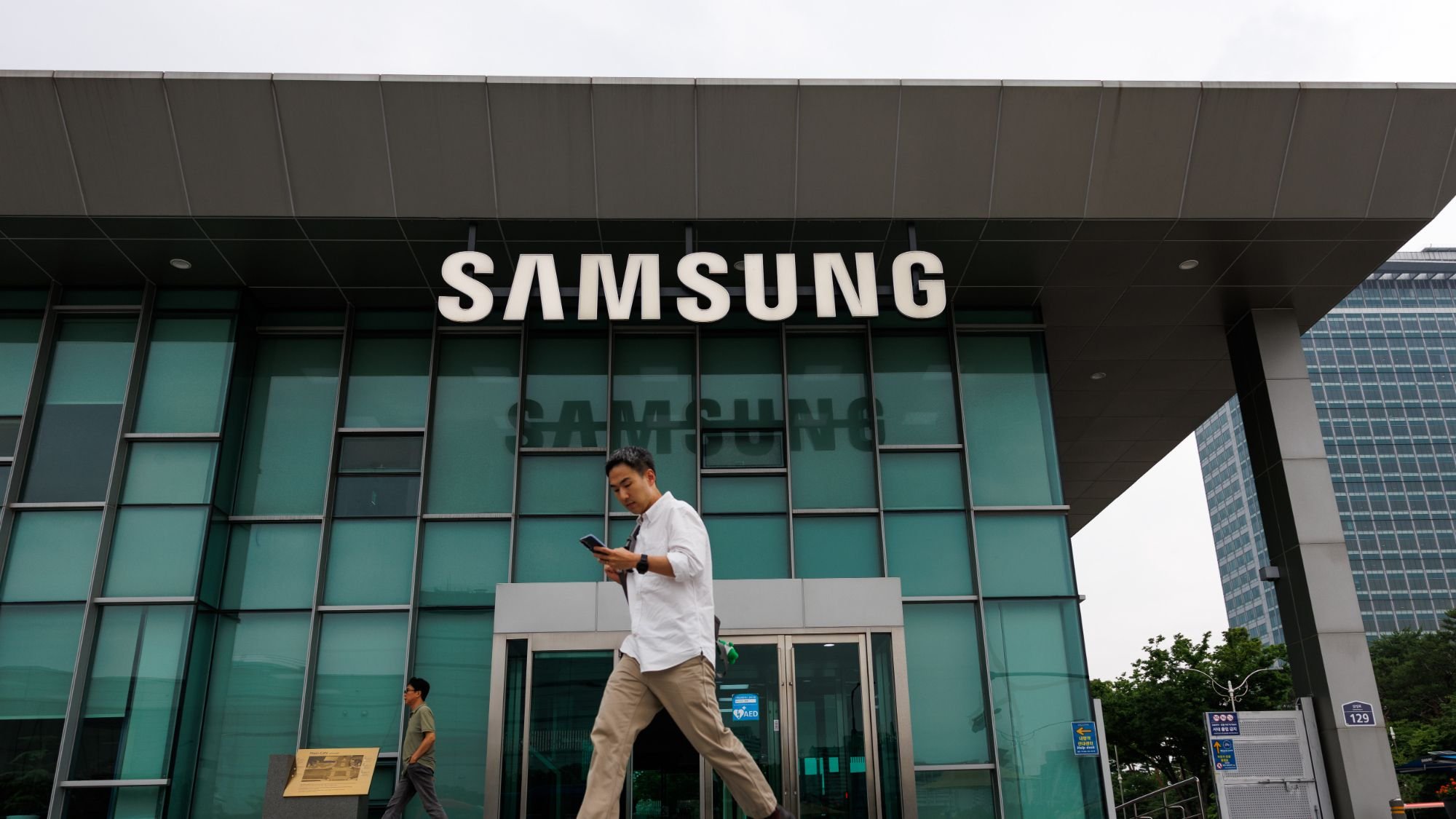
The potential for an 18-day general strike raises serious concerns about global semiconductor supply chains. Memory chips are fundamental components in virtually all electronic devices, from smartphones and computers to data centers and automotive systems. A significant disruption in Samsung's production could exacerbate the ongoing memory chip shortage, leading to extended delivery times and potentially higher prices across the industry.
Initial attendance figures for the April 23 strike were estimated at 30,000 by police, though the union claims approximately 40,000 members participated. This represents nearly a third of Samsung's semiconductor fab workforce, indicating strong solidarity among workers. The scale of participation suggests that a prolonged strike could indeed cripple operations, as the union has also threatened to mobilize personnel assigned to the fabs' "safety protection facilities," potentially creating additional operational challenges.
The timing of this labor dispute is particularly problematic as the semiconductor industry begins to recover from previous supply chain disruptions. Samsung's leadership faces the difficult task of balancing worker compensation demands with maintaining competitive advantage in an increasingly challenging market environment.
Supra-Company Union Samsung Electronics chapter head Choi Seung-ho has already submitted notice to the Seoul Yongsan Police Station regarding a planned rally at the residence of Samsung Chairman Lee Jae-yong on May 21, signaling the escalating nature of the dispute.
Industry analysts will be closely monitoring the negotiations between Samsung and its labor union, as the resolution of this dispute could have significant implications for global semiconductor supply chains and the competitive positioning of South Korea's chip manufacturing sector.
Comments
Please log in or register to join the discussion