
The U.S. Federal Trade Commission is investigating whether Arm Holdings is using its new data‑center AGI processor to restrict access to the Arm architecture, a move that could reshape licensing dynamics in the semiconductor market.
Arm’s AGI CPU sparks FTC antitrust scrutiny
The U.S. Federal Trade Commission has opened a formal investigation into Arm Holdings following the March 2026 launch of its first in‑house AGI‑focused CPU for data‑center workloads. Regulators are asking whether Arm is leveraging its dominant architecture licensing model to favor its own silicon and to limit rivals’ access to comparable designs.
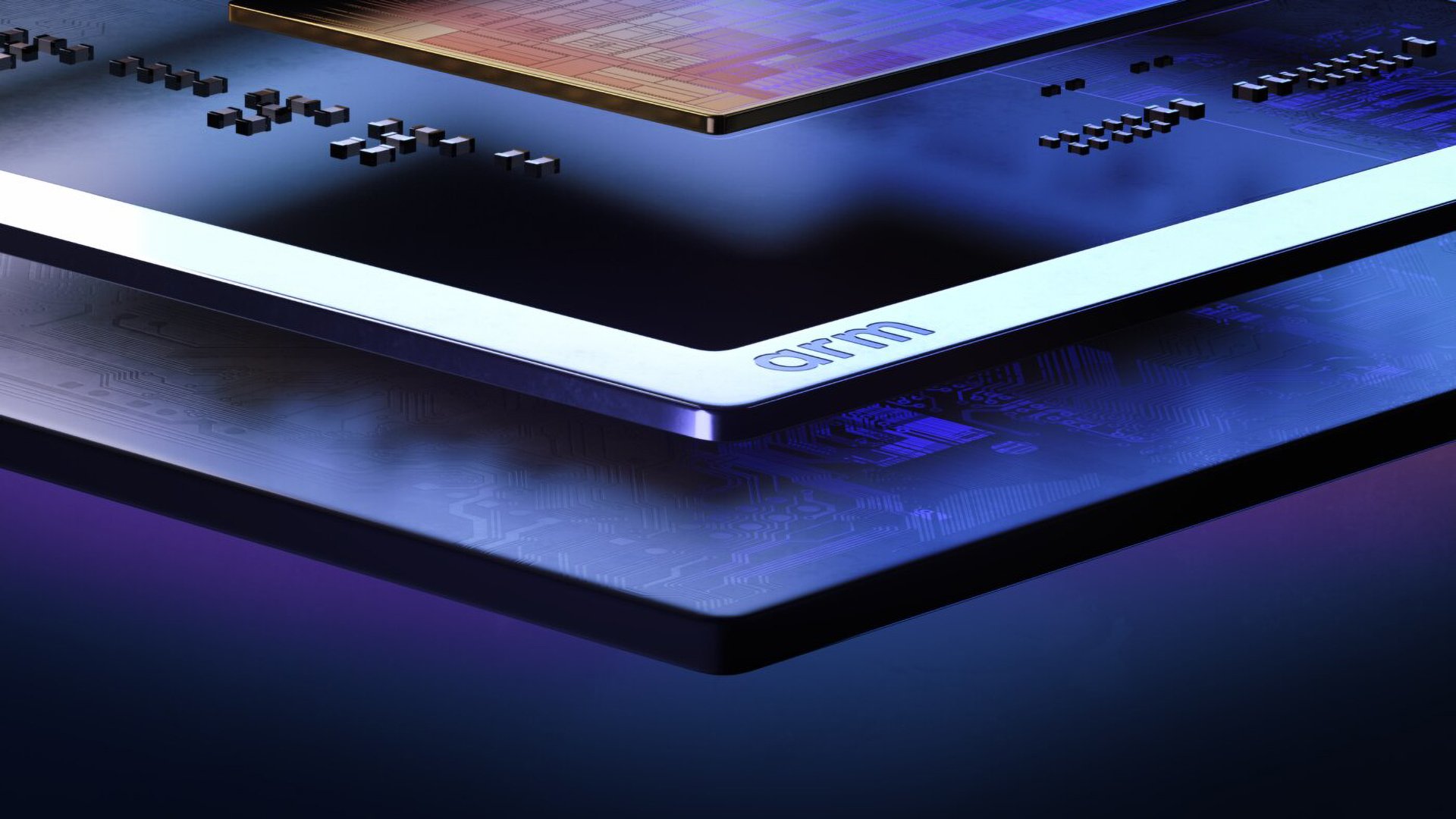 Image credit: Arm
Technical backdrop: Arm’s shift from pure licensor to fab‑owner
Arm’s business model has historically been a pure licensing play: the company designs the Arm instruction set architecture (ISA) and a portfolio of core blocks, then sells patents and design‑rights to fabless firms such as Qualcomm, Apple, Samsung, and MediaTek. Those partners integrate the cores into custom SoCs and ship the final silicon.
In March 2026 Arm announced the Arm‑AGI 1, a 7 nm data‑center processor built around a new Matrix‑Accelerated Execution Unit (MAEU) and 8‑track out‑of‑order pipeline. Key specifications include:
- Peak FP64 performance: 1.2 TFLOPs per die, roughly 30 % higher than the latest Nvidia H100 at the same node.
- On‑chip HBM2e bandwidth: 1.6 TB/s, matching the top‑end Intel Xeon 3.
- Power envelope: 250 W at 2.5 GHz, comparable to AMD MI250X.
- Process node: 7 nm EUV (TSMC N7), with a planned 5 nm shrink slated for Q4 2027.
The chip is positioned as a general‑purpose AI accelerator that can run both traditional HPC kernels and transformer‑style workloads without requiring a separate GPU. By offering a complete silicon product, Arm moves from a pure IP vendor to a design‑and‑fab hybrid, a strategy that could give it direct insight into customers’ workloads and pricing expectations.
Why the FTC is concerned
The FTC’s inquiry centers on three potential anticompetitive practices:
- Differential licensing quality – providing lower‑performance or feature‑restricted cores to external licensees while reserving the highest‑spec designs for Arm’s own silicon.
- Denial of access – refusing to grant new licenses for future Arm‑based cores to companies that compete with Arm‑AGI in the data‑center market.
- Bundling of IP – conditioning the sale of core licenses on the adoption of Arm‑specific software stacks, potentially locking customers into Arm‑only toolchains.
These concerns echo the Qualcomm‑Arm dispute that began in 2022 when Arm sued Qualcomm over the use of Nuvia‑derived cores. Arm’s loss in that case allowed Qualcomm to continue shipping the Oryon family, but it also highlighted how licensing terms can become a lever for market control.
Market implications if the probe leads to enforcement
| Scenario | Impact on Arm | Impact on Licensees | Likely industry shift |
|---|---|---|---|
| No enforcement – Arm continues dual model | Arm retains ability to compete directly with its own customers, potentially accelerating its AGI roadmap. | Licensees may face higher costs for comparable performance, prompting a search for alternative ISAs (RISC‑V, x86). | Faster consolidation of AI workloads on Arm‑based silicon, but increased risk of a fragmented ecosystem. |
| Remedial measures – licensing parity enforced | Arm must offer identical core specifications to all licensees, limiting the competitive edge of its own silicon. | Licensees gain access to top‑tier designs, preserving the traditional licensing revenue stream for Arm. | Slower migration of data‑center AI workloads to Arm, but a more open market for third‑party SoC designers. |
| Divestiture or structural separation – Arm forced to split licensing from manufacturing | Arm would become a pure IP vendor again, similar to the pre‑2025 model. | Licensees regain confidence in an unbiased supplier, potentially spurring renewed investment in custom Arm cores. | Market may see a resurgence of RISC‑V adoption as a hedge against concentration risk. |
Analysts at Gartner estimate that 90 % of custom AI accelerators will be based on Arm‑derived IP by 2029 if the current trajectory continues. A regulatory clampdown could shave 1–2 percentage points off that forecast, but the broader shift toward Arm‑centric AI is unlikely to reverse entirely.
Supply‑chain context
Arm’s AGI chip is fabricated at TSMC’s N7 line, which is already operating at 85 % capacity for high‑performance compute. A surge in demand for Arm‑AGI silicon could tighten the node’s allocation, potentially raising wafer prices by 10–15 % for other customers.
Conversely, if the FTC forces Arm to limit its own silicon production, TSMC may re‑allocate those slots to AMD, Intel, or RISC‑V startups, smoothing the overall supply‑chain pressure.
What customers should watch
- License renewal windows – Companies with expiring Arm core licenses should negotiate early to avoid being caught in a restrictive licensing regime.
- Software stack compatibility – Arm’s AGI CPU ships with a proprietary Arm‑AI SDK; evaluating cross‑compatibility with open frameworks (TensorFlow, PyTorch) will be critical.
- Alternative ISAs – RISC‑V projects such as SiFive’s Performance‑Series are positioning themselves as open‑source competitors for data‑center AI workloads.
Bottom line
The FTC’s probe places Arm at a crossroads between expanding into silicon manufacturing and maintaining a fair licensing ecosystem. The outcome will shape not only the competitive dynamics between Arm and its traditional partners but also the broader trajectory of AI‑focused processor adoption across the data‑center market.
For the latest updates on the investigation and Arm’s product roadmap, follow the official Arm newsroom and the FTC’s public docket.
Comments
Please log in or register to join the discussion