
Russia’s Mikron is monetising excess 200 mm test wafers by framing them as collectibles, each holding up to 120 000 functional chips—including its home‑grown AMUR MIK32 RISC‑V cores. The move highlights the firm’s limited fab capacity, its reliance on mature 65‑nm processes, and the broader constraints shaping the Russian semiconductor supply chain.
Announcement
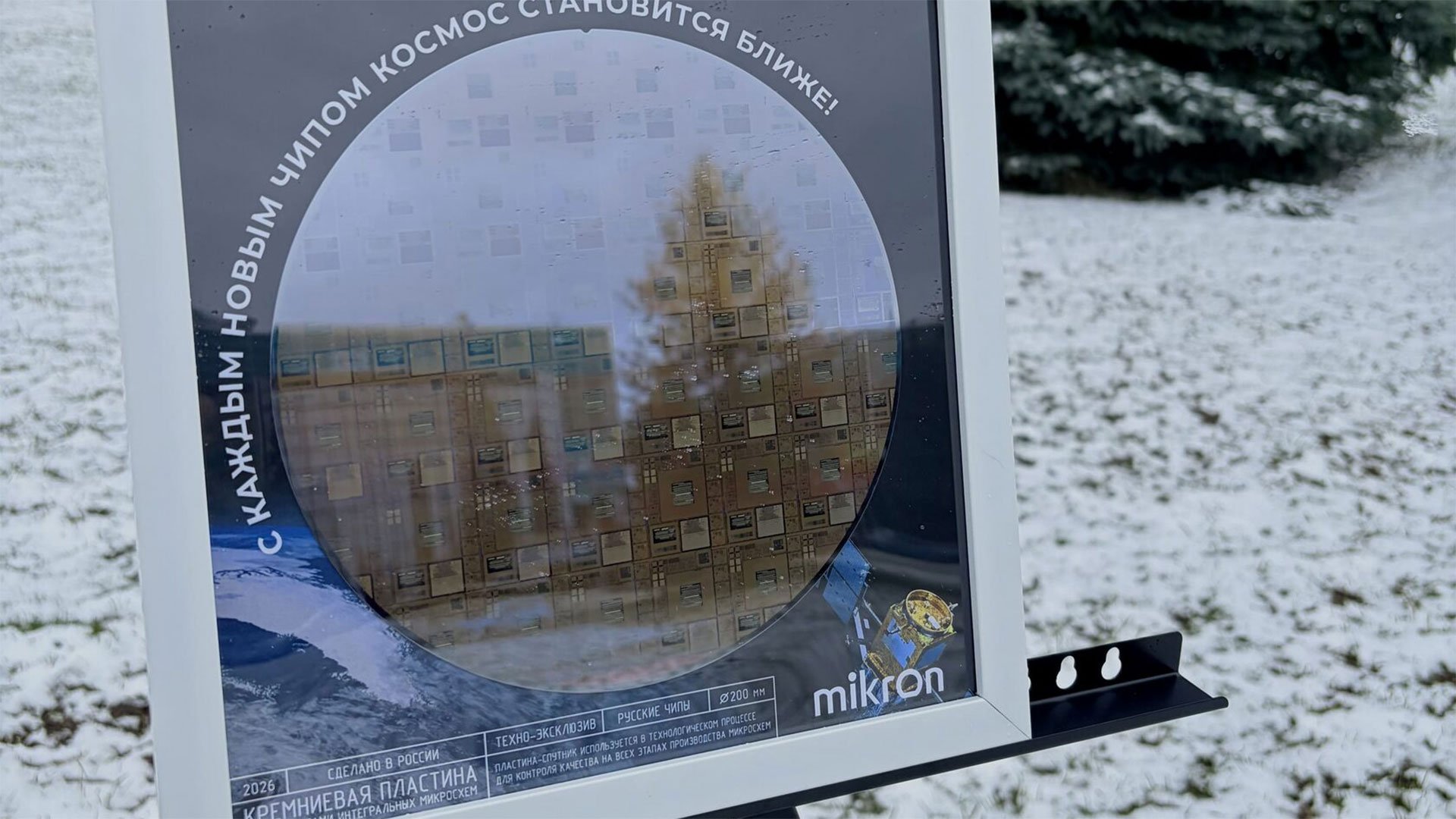
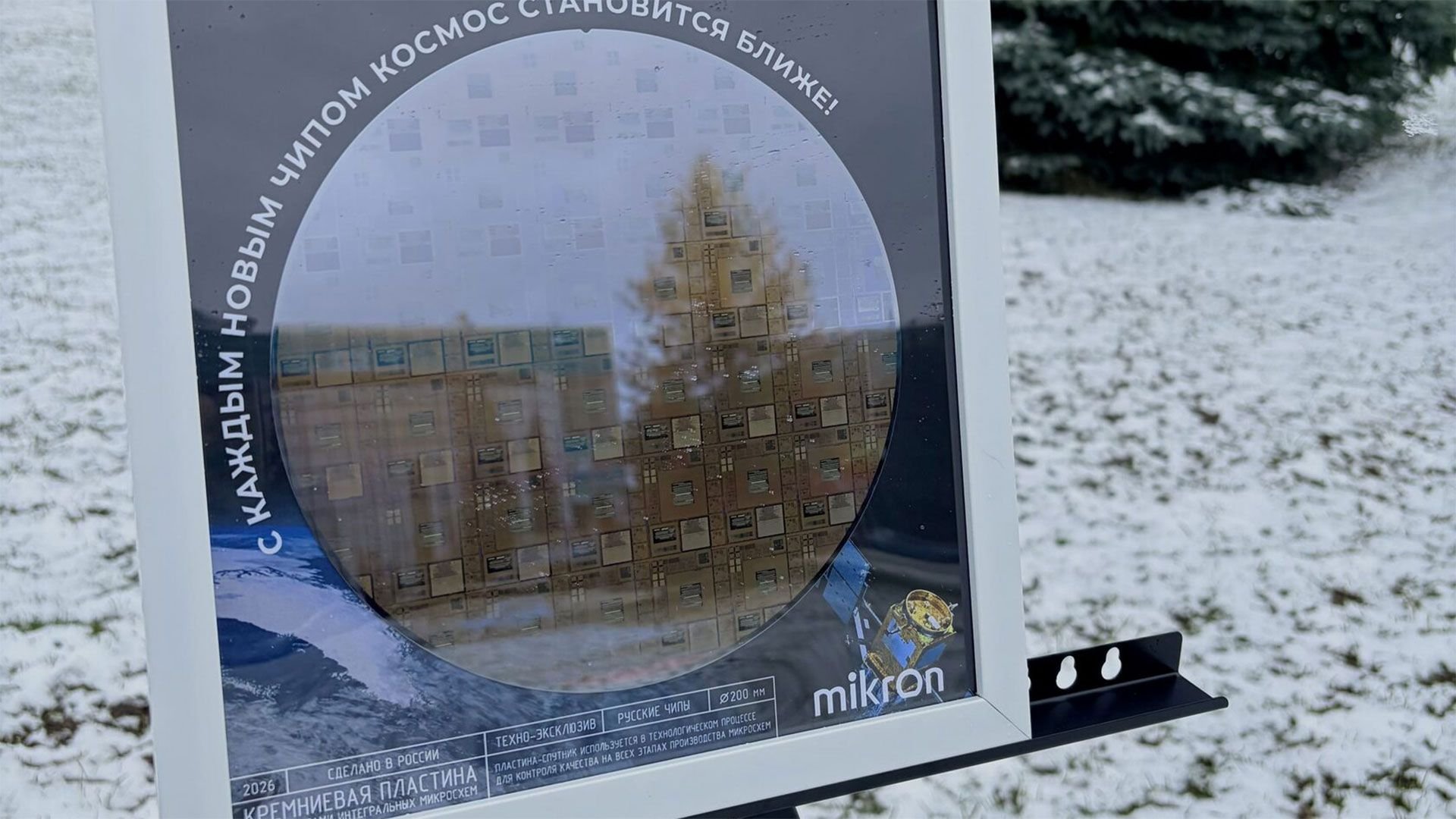
Mikron, the only Russian integrated‑circuit fab still operating at volume, has opened a small online shop where it sells picture‑framed 200 mm silicon wafers for 12 500 RUB (≈ $170) each. The catalog lists twelve designs, each with a different frame style—black, white, lace, paisley, even an “outer‑space” motif. According to the product pages, the wafers are limited‑edition and contain 30 000 to 120 000 functional dies, depending on the layout. One design is said to be populated with transport‑card chips used in the Moscow Metro, while another features the AMUR MIK32 RISC‑V processor that Mikron has been shipping since 2022.
Technical specs
- Wafer size: 200 mm (8‑inch) – the standard for Mikron’s mature‑node line.
- Process node: 65 nm CMOS, the most advanced node currently in production at the Zelenograd plant. The node is roughly four generations behind the 7 nm/5 nm logic used by TSMC and Samsung, but it is sufficient for embedded controllers, IoT sensors, and low‑power RISC‑V cores.
- Core architecture: The AMUR MIK32 is a 32‑bit RISC‑V RV32IMC core clocked at up to 400 MHz, delivering around 0.6 DMIPS/MHz and ≈ 150 mW typical power draw. In a typical 2 mm² die, the chip integrates 64 KB SRAM, a UART, SPI, and a basic crypto accelerator.
- Die count per wafer: The highest‑density layout (the “transport‑card” version) packs ≈ 120 000 dies on a single wafer, translating to a die pitch of ~0.5 mm. The lower‑density “art‑focused” wafers hold ≈ 30 000 dies, using larger spacing to accommodate decorative patterns.
- Packaging: The chips remain in test‑wafer form, i.e., still attached to the silicon substrate with probe pads. No dicing or packaging is performed, meaning the souvenir is essentially a live test wafer.
Why the numbers matter
A 65 nm fab can produce roughly 10 000 wafers per year at full capacity. Mikron’s total annual output is estimated at ≈ 80 million dies, far below the > 10 billion dies TSMC ships on its 5 nm line. By selling a fraction of its test wafers, Mikron extracts a ~$50–$100 per wafer margin on material that would otherwise be discarded after test. The price point of $170 covers the framing, handling, and a modest profit, while also providing a public‑relations boost for a company under heavy export restrictions.
Market implications
- Supply‑chain signaling – Mikron’s decision to monetize test wafers underscores the chronic under‑utilisation of its fab. International sanctions have limited access to EUV lithography and advanced node equipment, forcing the plant to stay on 65 nm. The souvenir program is a low‑cost way to showcase that the fab still produces functional silicon, countering narratives of total collapse.
- Domestic tech sovereignty – By highlighting the AMUR MIK32 RISC‑V core, Mikron reinforces Russia’s push for home‑grown instruction‑set architectures. The RISC‑V ecosystem is open‑source, allowing the firm to avoid reliance on Western IP blocks that are now hard to source.
- Export‑control work‑around – The framed wafers are classified as art objects rather than commercial semiconductor goods, sidestepping some export‑control paperwork. This mirrors similar tactics seen in other restricted industries where finished products are re‑branded as collectibles.
- Potential secondary market – Collectors and hobbyists may purchase the wafers for educational purposes, using a probe station to power the dies. While the chips are not packaged, they can be tested on a bench‑top probe card, offering a rare hands‑on look at a Russian‑made RISC‑V core.
- Impact on pricing of genuine chips – The souvenir price is far above the marginal cost of a single die (≈ $0.001) but well below the market price of a packaged RISC‑V MCU (≈ $2–$5). This creates a niche where enthusiasts can acquire a piece of silicon for the cost of a high‑end hobbyist board, potentially diverting a tiny amount of demand from the regular product line.
Supply‑chain context
Mikron’s Zelenograd fab relies on legacy 200 mm equipment sourced primarily from former Soviet‑era contracts and a handful of Western vendors still willing to sell under sanction‑compliant terms. The plant’s clean‑room air is also sold in 2 ml vials for $2—a novelty that reflects the scarcity of certified clean‑room environments in Russia. The limited‑edition wafer program therefore serves a dual purpose: it monetises excess silicon and provides a tangible proof point that the fab can still produce functional, test‑qualified dies despite the lack of EUV tools and the ongoing chip‑import bans.
For more details on the AMUR MIK32 core, see the official Mikron product page and the open‑source RISC‑V repository on GitHub.
Comments
Please log in or register to join the discussion