The Warhammer maker is taking a cautious stance on generative AI, banning its use in creative work while acknowledging that some executives are experimenting with the technology.
Games Workshop, the British company behind the Warhammer tabletop gaming empire, has formally banned employees from using generative AI in content creation and design processes. The decision, announced during a financial results presentation, reflects the company's commitment to protecting its intellectual property and the human artistry that defines its brand.
CEO Kevin Rountree addressed the AI question directly while discussing the company's strong financial performance. He acknowledged that while a few senior managers are experimenting with AI tools, the company has established a restrictive internal policy.
"We have a few senior managers who are [AI experts]: for now none of them are excited about it," Rountree said. "We have agreed on an internal policy that acts as a guide for us and is currently very cautious. For example: we do not allow AI-generated content, the use of AI in our design processes, or its unauthorized use outside of GW – including in any of our competitions."
The policy extends to data compliance and security concerns, as Rountree noted that AI and machine learning engines are automatically being added to phones and laptops whether companies want them or not. The company is allowing those few managers to continue researching the technology while maintaining strong commitments to intellectual property protection and respect for human creators.

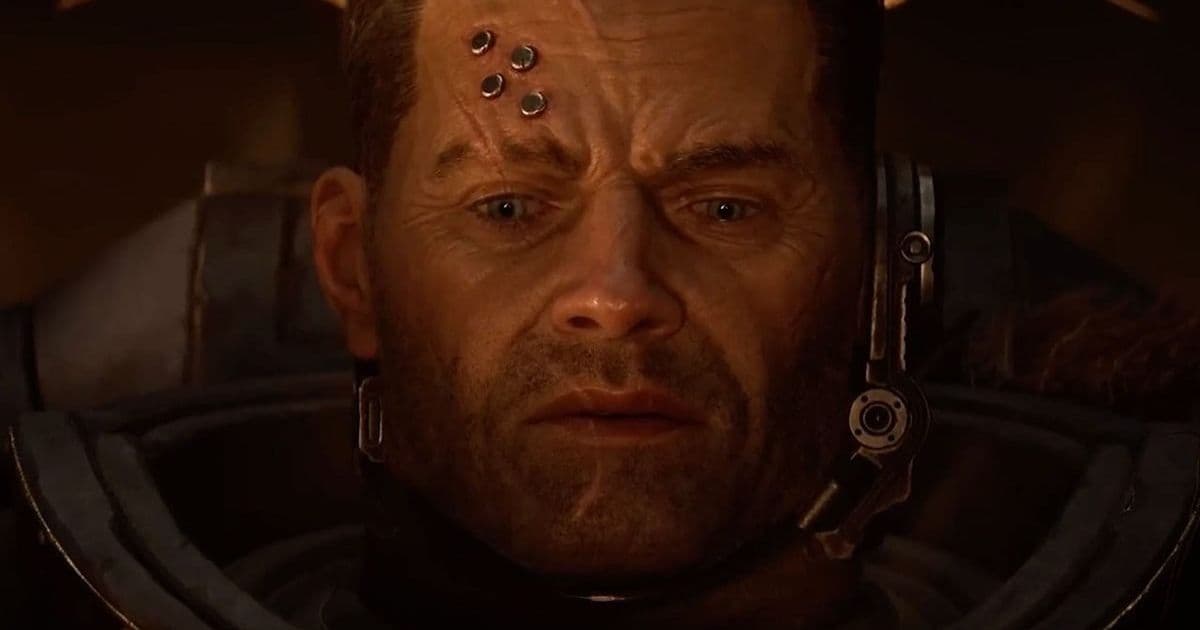
Featured image: Warhammer 40,000 artwork representing the "grimdark" aesthetic
This stance positions Games Workshop differently from other entertainment companies pushing aggressively into AI. While Genvid's CEO claimed consumers don't care about generative AI and that "Gen Z loves AI slop," and EA's Andrew Wilson called AI "the core of our business," Games Workshop is betting on human creativity.
The company has doubled down on human artistry, investing in its Warhammer Studio by hiring more creative people across concept art, graphics, writing, and sculpting. This investment in "talented and passionate individuals" creates the rich, suggestive IP that both the company and its hobbyists love.
The Value of Human-Crafted Art
Warhammer 40,000's universe is built on distinctive, lasting artwork created by artists like the legendary John Blanche, whose work helped define the "grimdark" aesthetic. This human-created art is beloved by fans who are highly critical of any suspicion of AI-generated content in official products.
The concern is well-founded. Last month, Displate had to deny accusations that one of its official Warhammer 40,000 graphics was AI-generated, explaining that apparent anomalies were actually human errors. The sensitivity exists because Games Workshop sells expensive codex books filled with stunning artwork and world-building lore. Any suggestion these works were created partly or wholly by generative tools would likely spark community backlash.
Industry Context
Games Workshop's approach contrasts sharply with other gaming companies:
- Square Enix recently conducted mass layoffs and reorganization while promising to be "aggressive in applying AI"
- Dead Space creator Glen Schofield detailed plans to "fix" the industry partly through generative AI in game development
- Former God of War developer Meghan Morgan Juinio argued that not adopting AI means "hurting ourselves"
Why This Matters
The Warhammer maker's position highlights a growing divide in entertainment: companies betting on AI efficiency versus those preserving human creative identity. For Games Workshop, whose business model relies on selling premium physical products (miniatures, books, artwork) to passionate hobbyists, the human touch isn't just philosophical—it's commercial.
Their collectors aren't just buying plastic figures; they're investing in a universe built by specific artists with distinctive styles. A John Blanche painting carries value precisely because it's his work. AI-generated content would dilute that authenticity.
The company's cautious monitoring of AI tools while restricting their use in creative work suggests they understand the technology's potential but prioritize protecting their IP and maintaining the trust of a community that values human craftsmanship.
Games Workshop's financial success—driven by Warhammer 40,000 and Age of Sigmar sales—appears to validate their human-centric approach. While competitors chase AI efficiency, the Warhammer maker is betting that passionate creators and distinctive art remain the foundation of valuable entertainment IP.
Comments
Please log in or register to join the discussion