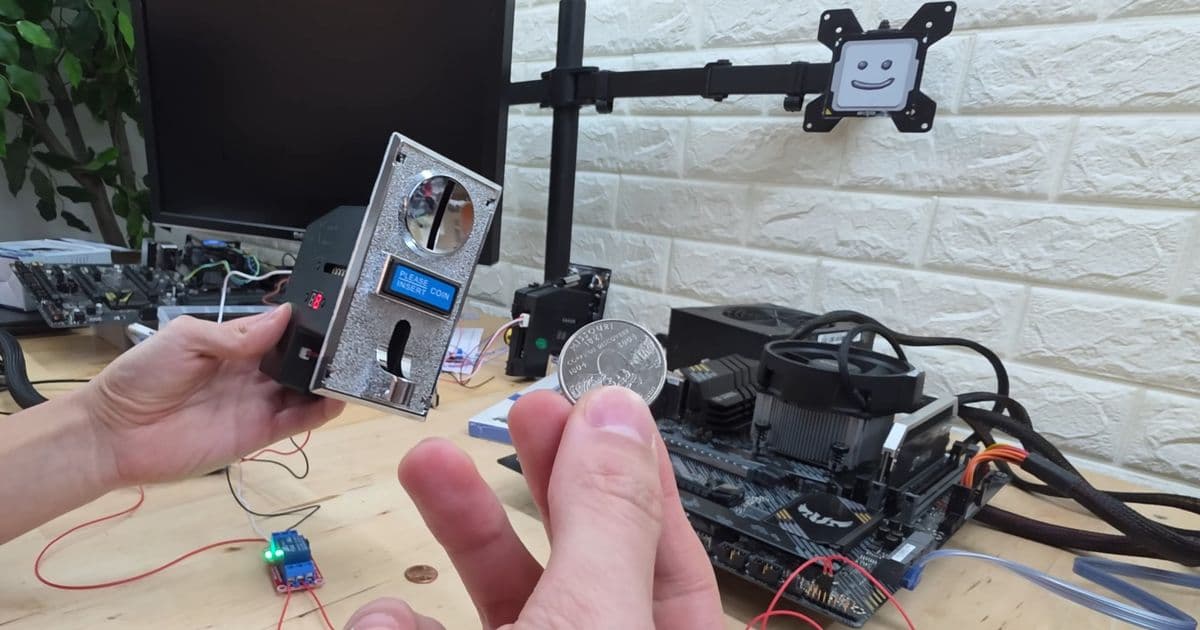
A YouTube hardware engineer has transformed a standard gaming PC into a coin-operated machine, requiring a quarter to power on. The $135 project uses a programmable coin acceptor and a relay module to physically engage the motherboard's power switch, offering a tangible, nostalgic critique of modern microtransactions and hardware costs.
The concept of microtransactions in gaming has evolved from a simple cosmetic item to a pervasive, often frustrating, economic model. As we approach the 20th anniversary of the infamous Oblivion horse armor DLC, some enthusiasts are looking back to a simpler time: the arcade era, where a single quarter bought a play session. YouTube hardware engineer Mr. Yeester (stylized mryeester) has created a tangible, physical manifestation of this nostalgia by building a gaming PC that literally requires a coin to power on.
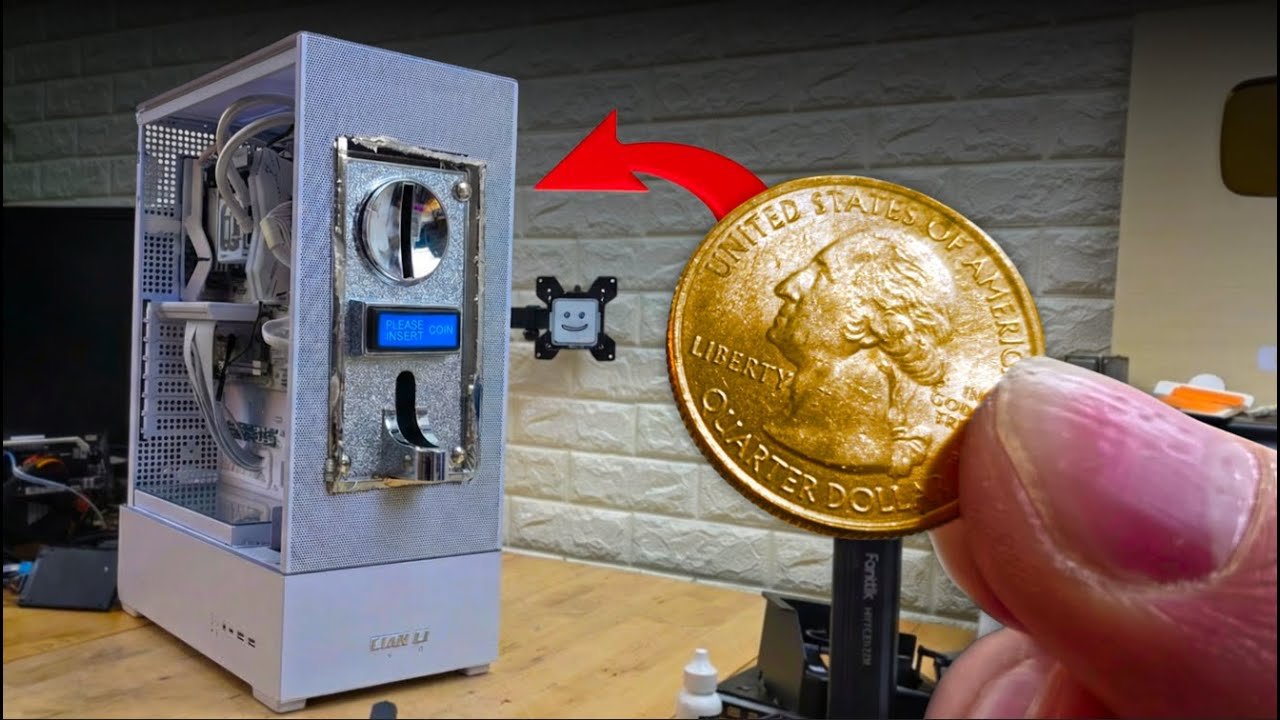
The project, detailed in a recent YouTube video, replaces the standard PC power button with an arcade-style coin acceptor assembly. When a user inserts a U.S. quarter, a mechanical lever engages the motherboard's power header, booting the system. This isn't a software hack or a metaphor; it's a hardware modification that physically ties the act of computing to a tangible, monetary transaction. The build is surprisingly accessible, with a total parts cost of approximately $135, making it a feasible weekend project for those with basic soldering and cable crimping skills.
The Technical Assembly: From Coin Slot to Power Signal
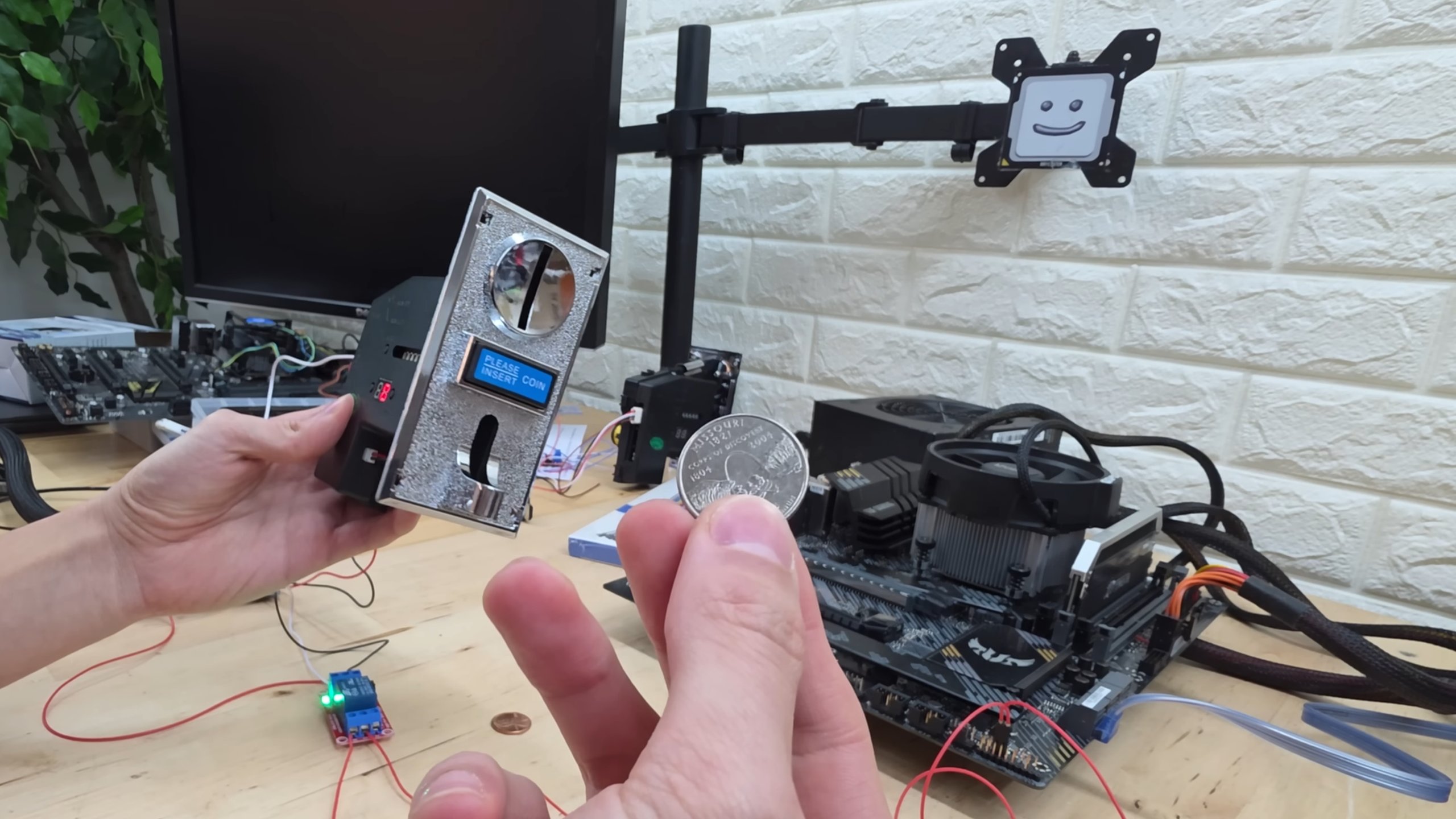
The core of the project is the coin acceptor itself, a surprisingly inexpensive component sourced from Amazon for about $23. Unlike the complex multi-currency validators found in commercial arcade machines, this unit functions as a comparator. It uses a combination of phototransistors and infrared LEDs to measure the physical dimensions (size and thickness) of a coin as it passes through. To prevent spoofing with similarly shaped objects, it also employs a magnetic coil that detects the specific magnetic signature of a U.S. quarter. The acceptor is programmed by running multiple quarters through it, allowing its sensors to learn the exact parameters of the target currency.
Once the coin is validated, the acceptor sends a signal to a 12V relay module. This relay acts as a switch, controlling a small physical lever assembly that physically presses the motherboard's power button header. The entire system is powered by a standard ATX power supply, connected via a breakout module that separates the PSU's various voltage rails for easy access. The most technically demanding part of the assembly involves stripping 28-gauge wire, connecting the coin acceptor and relay to 12V power, and creating custom cables for the motherboard header using a crimping kit.
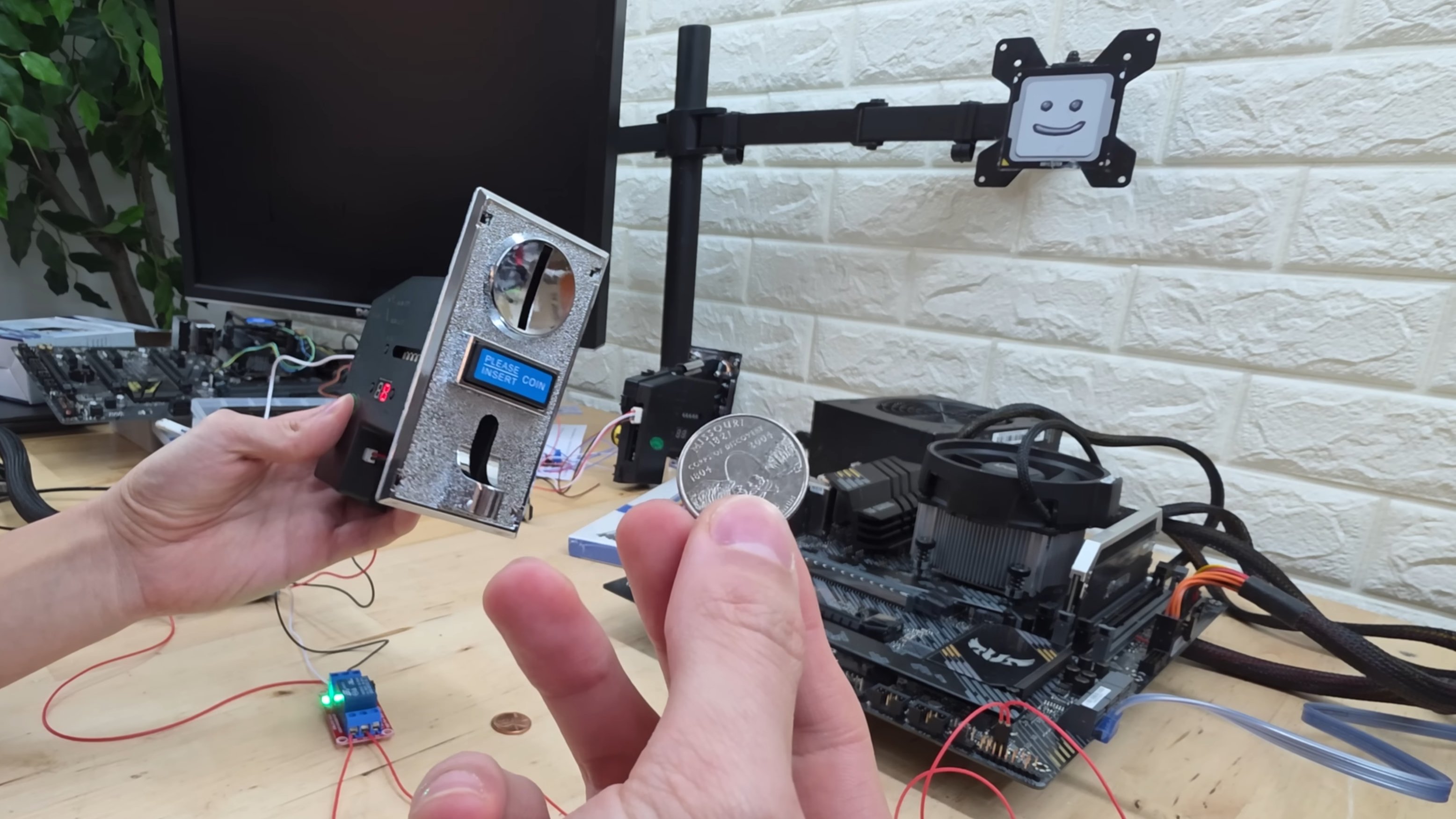
The final setup, as demonstrated by Mr. Yeester, is housed in a carved-out cardboard box—a functional but humble enclosure that underscores the project's DIY nature. For those seeking a more polished aesthetic, the modular design allows for integration into a custom PC case, potentially with a front-panel coin slot for a truly seamless arcade experience.
Hardware Costs and Market Context
The project's $135 price tag, as listed on Mr. Yeester's Amazon shopping list, is a microcosm of the current PC hardware market's volatility. The components used—a coin acceptor, relay module, power supply breakout board, and basic tools—are relatively stable in price. However, the very hardware this coin-operated PC would run is subject to extreme cost fluctuations.

This context is critical. The project emerges at a time when PC gamers are facing record-high prices for core components, particularly DRAM. As of early 2026, memory prices have surged by nearly 200% compared to just a few months prior. This spike is driven almost entirely by the data center market, which is reportedly consuming 70% of the world's entire memory chip production for the year. This supply chain squeeze leaves the consumer market with limited inventory and inflated prices, making high-performance gaming rigs prohibitively expensive for many.
Furthermore, the games themselves are not getting cheaper. The industry is grappling with an increase in in-game advertising, aggressive monetization strategies, and a general sense of stagnation. Mr. Yeester's coin-operated PC serves as a physical critique of this dual burden: the high cost of the hardware needed to play, and the increasingly expensive or intrusive nature of the software itself. By forcing a literal payment for each power-on, the project makes the economic barrier to entry visceral and unavoidable.
Broader Implications and DIY Culture
Mr. Yeester is no stranger to complex hardware projects, having previously gained recognition for converting a real Honda CR-V's throttle and steering wheel into a functional game controller and for his 2022 research into thermal paste additives. Compared to those endeavors, the coin-operated PC is notably simpler and safer, designed for broad replication. The video's clear instructions and use of off-the-shelf components lower the barrier for entry, encouraging a wave of copycat builds.
This project highlights a growing trend in the maker community: using hardware to comment on software and market trends. As digital experiences become more abstract and monetized, there is a parallel desire to reintroduce physicality and tangible cost. The quarter is a powerful symbol—it's a discrete, finite unit of value that disappears upon use, a stark contrast to the invisible, recurring charges of subscription services or the psychological detachment of digital currency.
For those interested in building their own, Mr. Yeester's YouTube channel provides the full tutorial. The process is straightforward enough for someone with basic technical proficiency, requiring only patience and attention to detail. The result is more than a novelty; it's a conversation piece that bridges the gap between the golden age of arcades and the modern, high-stakes world of PC gaming.
In an industry where value is often measured in teraflops and frame rates, this project redefines cost in the most fundamental way: one quarter at a time. It’s a reminder that before microtransactions, there was the simple, honest transaction of a coin in a slot, buying a few minutes of pure, unadulterated play. For the modern gamer weary of battle passes and hardware prices, that might be the most valuable upgrade of all.
Comments
Please log in or register to join the discussion