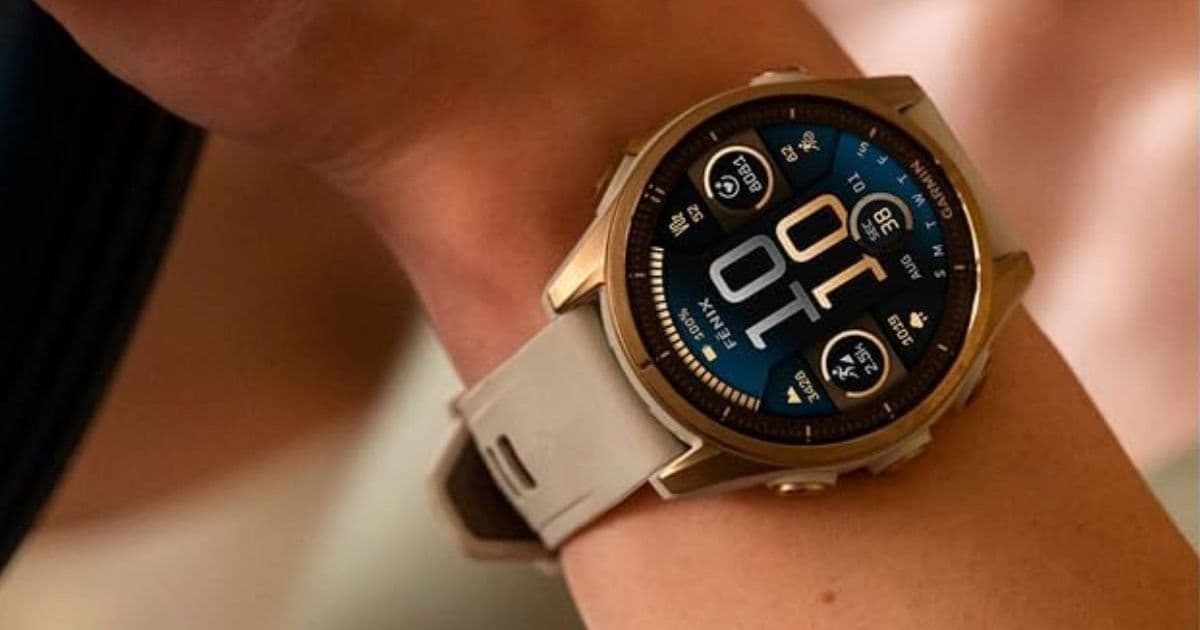
Garmin Fenix 8 AMOLED users report visibility issues with the smartwatch's non-adjustable minimum brightness setting, prompting debate over the company's 'by design' stance despite widespread complaints.
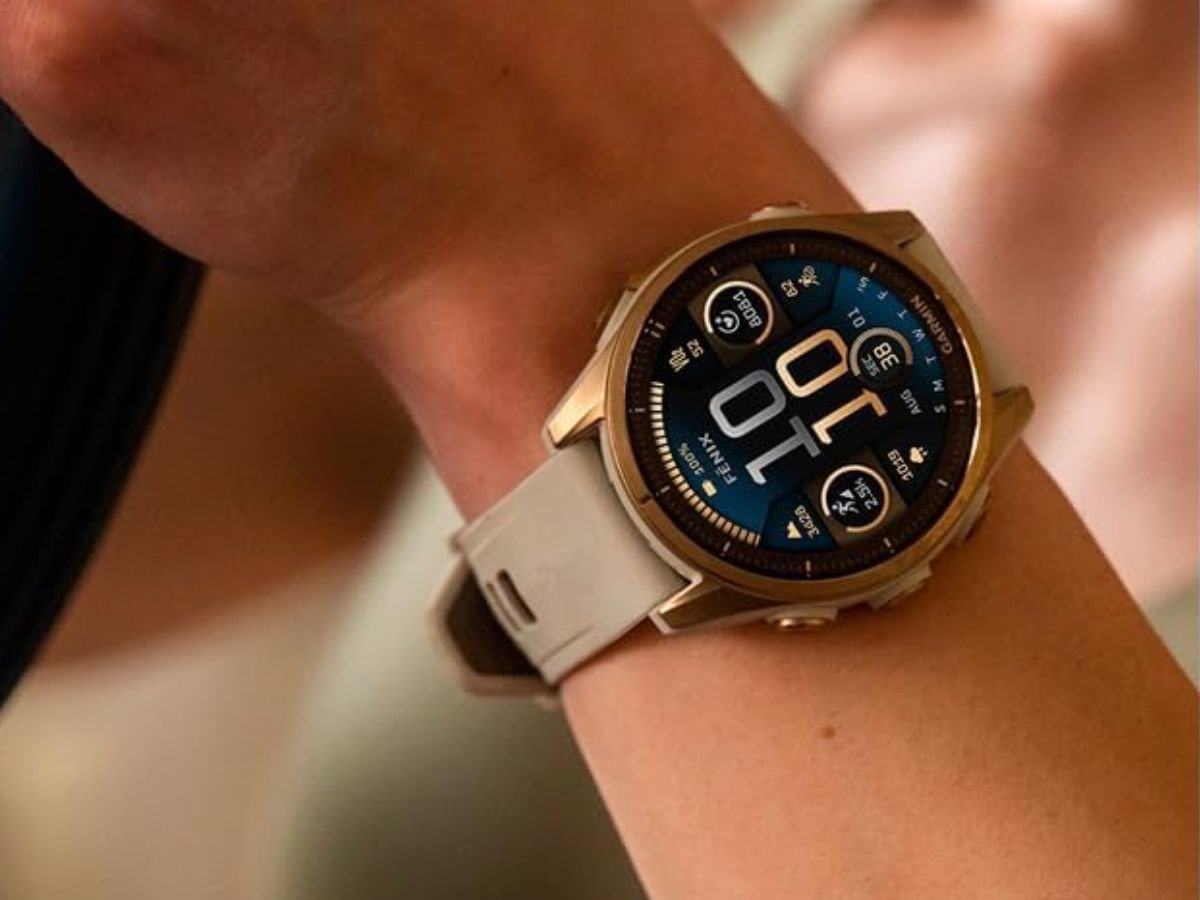
Garmin's latest flagship sports watch, the Fenix 8 AMOLED, faces mounting criticism over its implementation of adaptive brightness technology. Owners report significant usability issues in low-light conditions due to the device's fixed minimum brightness threshold, sparking intense community debate and raising questions about Garmin's hardware design philosophy.
The core issue centers on the Fenix 8 AMOLED's ambient light sensor implementation. Unlike competitors from Apple, Samsung, and Garmin's own previous-generation models, the Fenix 8 lacks user-adjustable minimum brightness parameters. The sensor automatically dims the display to prevent excessive brightness in dark environments, but according to numerous forum reports, this results in screens becoming illegible during nighttime use or in dimly lit indoor settings.
Over 20,000 views and 130+ comments in Garmin's official support forum highlight the scale of user frustration. One recurring complaint notes that the watch's dimmest setting renders text and data fields unreadable during evening runs or early morning workouts. Technical analysis reveals the Fenix 8 AMOLED's brightness ranges from approximately 2 nits at minimum to 3,000 nits peak, but the absence of manual floor adjustment prevents users from setting personal visibility thresholds.
Garmin's official response, documented in forum interactions, states the behavior is intentional engineering rather than a defect. A company representative clarified: "Our team determined this behavior is by design to prevent display saturation in darkness." This stance contrasts with competitors like the Apple Watch Ultra and Samsung Galaxy Watch, which allow granular brightness customization through dedicated settings menus.
Practical implications for users:
- Athletes training in variable lighting report disrupted workout tracking when unable to quickly view metrics
- Outdoor adventurers find maps and navigation cues compromised during dawn/dusk expeditions
- Accessibility concerns emerge for users with visual impairments requiring higher baseline brightness
Community-developed workarounds include changing interface color schemes to white accents for improved contrast, though this compromises battery efficiency. Some users advocate mass support ticket submissions to pressure Garmin for a firmware update introducing manual brightness controls, mirroring successful campaigns that prompted software changes in previous Fenix models.
The Fenix 8 AMOLED (starting at $1,099.99 at Amazon) represents Garmin's premium multisport category, making the brightness limitation particularly notable at this price point. Industry analysts suggest the conflict highlights growing tension between automated sensor algorithms and user-customizable experiences in wearable technology. Whether Garmin maintains its design stance or implements user-requested adjustments through future firmware updates remains undetermined.
For affected users, current options include:
- Submitting detailed reports via Garmin Support
- Experimenting with watch face designs maximizing contrast
- Monitoring firmware release notes for potential adjustments
Technical documentation confirms ambient light sensor functionality remains unchanged in recent Fenix 8 updates, suggesting hardware limitations rather than software-fixable issues. This case underscores the importance of balancing sensor automation with user control in next-generation wearables.
Comments
Please log in or register to join the discussion