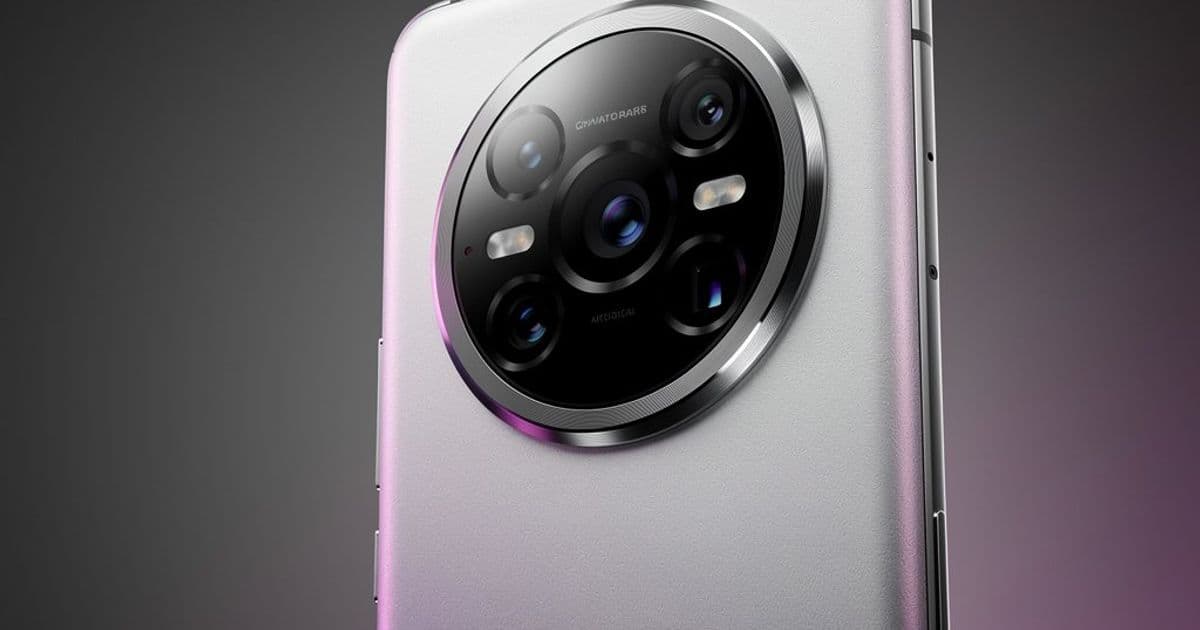
New AI-generated images offer our first look at the Oppo Find X9 Ultra's rear design, featuring a massive circular camera island that mimics a professional camera body. The leak details a formidable camera system with a 200MP telephoto extender and a 7,300mAh battery, positioning the device as a top-tier cameraphone for 2026.
The next flagship from Oppo's Find series is shaping up to be a camera powerhouse, and new images give us our first look at its striking rear design. While the front of the Oppo Find X9 Ultra was previously leaked, today's images reveal a back panel that clearly takes inspiration from professional photography equipment, signaling Oppo's continued focus on dominating the mobile imaging space.
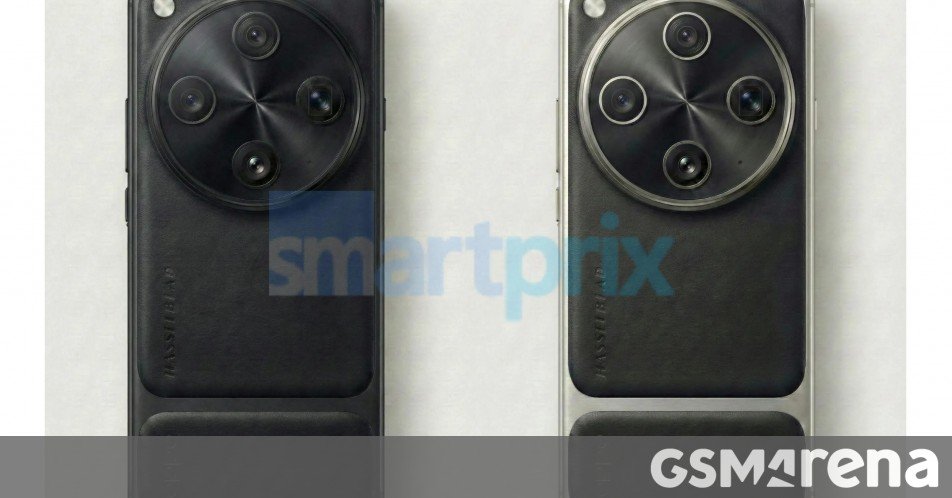
The most prominent feature is an enormous circular camera island that spans nearly the entire width of the phone's back. This design choice is more than just aesthetic; it's a functional statement. The circular layout, reminiscent of a camera lens barrel, houses an array of sensors and optics that promise a versatile and powerful shooting experience. The images, reportedly created based on leaked design specifications (likely with AI assistance), show the device in two potential finishes: one with a textured, faux leather-like material for improved grip during photography, and another with a classic glass back.
This design philosophy directly addresses a key pain point for mobile photographers: stability and handling. A larger, more pronounced camera module provides a natural grip point when holding the phone horizontally for photos or videos, mimicking the ergonomics of a dedicated camera. The dual-material approach suggests Oppo is considering both premium feel and practical utility, a balance that serious mobile shooters will appreciate.
A Camera System Built for Extremes
Beyond the design, the leaked specifications paint a picture of a truly ambitious camera system. The Find X9 Ultra is rumored to be built around a 6.82-inch QHD+ flat AMOLED display with a 120Hz refresh rate, powered by the latest Snapdragon 8 Elite Gen 5 chipset. But the star of the show is undoubtedly the imaging array.
The main camera is said to use Sony's new Lytia 901 sensor, a massive 1/1.12-inch type sensor that promises exceptional light capture and detail. This is paired with a 50MP ultrawide camera using Samsung's ISOCELL JN5 sensor, ensuring consistent color and detail across different focal lengths.
The telephoto system is where the Find X9 Ultra aims to set itself apart. It reportedly features two dedicated telephoto lenses:
- 200MP 3x Optical Zoom: Using a 1/1.28-inch OmniVision sensor, this high-resolution telephoto lens is designed for detailed shots at a moderate zoom level. The sheer megapixel count allows for significant cropping without losing quality.
- 50MP 10x Optical Zoom: Leveraging Sony's Lytia 600 sensor, this lens provides true optical reach for distant subjects, a critical feature for wildlife, sports, or event photography.
Perhaps the most intriguing detail is the mention of a "telephoto extender." This accessory, likely a clip-on lens or a software-enhanced optical path, is said to push the 200MP sensor's reach to an equivalent of 13.2x optical zoom. This hybrid approach—combining optical hardware with computational photography—represents the cutting edge of mobile zoom technology, potentially offering clarity that rivals dedicated superzoom cameras.
Ecosystem and Market Positioning
Oppo's Find series has consistently targeted the premium segment, competing directly with Samsung's Galaxy S Ultra and Google's Pixel Pro lines. The Find X9 Ultra's rumored specs suggest a direct assault on the cameraphone throne. A 7,300mAh battery is notably large for a flagship device, indicating Oppo is prioritizing endurance to support the power demands of its advanced camera system and high-resolution display.
This focus on a specialized camera island and a multi-lens telephoto system highlights a broader trend in the mobile industry: the convergence of mobile and dedicated photography. As smartphone sensors and computational photography advance, the physical design of the device must evolve to accommodate larger optics and more complex modules. The Find X9 Ultra's design is a physical manifestation of this convergence.
For consumers, this means more choice and capability. However, it also raises questions about ecosystem lock-in. Oppo's ColorOS, while powerful, operates in a different ecosystem than Google's Android or Samsung's One UI. The advanced camera features, especially any proprietary software for the telephoto extender, may be optimized for Oppo's own gallery and editing apps, creating a more integrated but potentially less flexible experience compared to a more stock Android approach.
What Comes Next
These images and specifications are still in the rumor phase. Official details from Oppo are expected later in 2026, likely at a major tech event like MWC or a dedicated launch. The final product may differ from these leaks, but the direction is clear: Oppo is pushing the boundaries of mobile photography with a design and hardware suite aimed squarely at enthusiasts and professionals who demand the best possible camera in their pocket.
The success of the Find X9 Ultra will depend not just on its hardware, but on how well Oppo can integrate this complex camera system with its software. Features like the telephoto extender will need to be intuitive and effective, turning a powerful hardware spec into a genuinely useful tool for everyday users. If executed well, the Find X9 Ultra could set a new benchmark for what a flagship cameraphone can be, both in design and in capability.
Comments
Please log in or register to join the discussion