
Google's Pixel 10a maintains the winning formula with minor upgrades like brighter display and faster charging, while keeping the beloved compact design and Tensor G4 chip.
The Google Pixel 10a has arrived, and as expected, it's generating plenty of discussion. Whether you're disappointed by the lack of major changes or excited about the refined formula, one thing is clear: Google's a-series continues to capture attention in the mid-range smartphone market.
What's New in the Pixel 10a
The 2025 iteration brings several incremental improvements over its predecessor:
- Display: A slightly brighter OLED panel for better outdoor visibility
- Durability: New Gorilla Glass 7i protection
- Safety: Satellite SOS support for emergency situations
- Charging: Faster 30W wired and 10W wireless charging (up from 23W/7.5W)
What's Staying the Same
Google has wisely chosen to keep many of the elements that made the previous model successful:
- Battery: The 5,100mAh capacity remains unchanged
- Display: 6.3-inch 120Hz 1080p P-OLED panel
- Camera System: Identical hardware to last year's model
- Processor: Same 4nm Tensor G4 SoC
- Design: Compact, lightweight form factor with excellent ergonomics
The decision to maintain the same core specifications isn't necessarily a drawback. The Pixel 10a continues to offer a premium feel in a compact package that's comfortable to hold and use with one hand.
Pricing and Availability
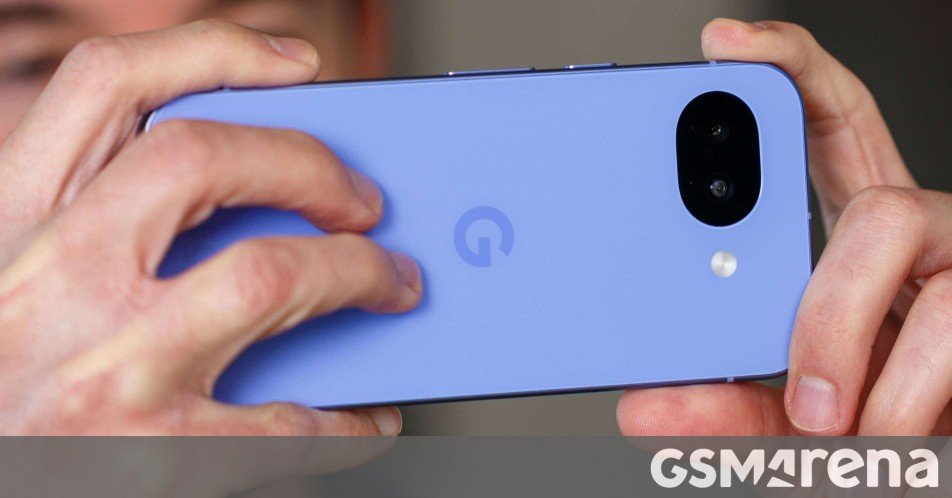
The Pixel 10a starts at €549 for the 12GB/128GB model and €649 for the 12GB/256GB variant. Color options include Lavender (review unit), Berry (light pink), Fog (silver), and Obsidian (black).
Interestingly, Google continues to sell the previous generation Pixel 10a for €399, offering a more budget-friendly option for those who don't need the latest features.
The Strategy Behind the Incremental Update
Google's approach with the 10a appears to be working smart, not hard. By making modest improvements while keeping the core experience intact, they're:
- Maintaining brand consistency - Users know exactly what to expect
- Offering choice - The price difference between generations gives consumers flexibility
- Maximizing profit margins - Minimal R&D costs for incremental updates
- Targeting specific markets - Particularly effective in regions where Chinese brands have limited presence
Who Should Buy the Pixel 10a?
The Pixel 10a is ideal for:
- Budget-conscious buyers who want a reliable, well-supported device
- Google ecosystem users who value seamless integration
- Those who prefer compact phones in an era of increasingly large devices
- Users in markets where Chinese smartphone brands face limitations
For most users, the previous generation at €399 offers nearly identical performance and features, making it the smarter financial choice unless you specifically need the new charging speeds or satellite SOS functionality.
The Bigger Picture
The Pixel 10a's reception highlights an interesting dynamic in the smartphone market. While tech enthusiasts often crave revolutionary changes, the broader consumer base values reliability, familiarity, and value for money. Google seems to have found a sweet spot with the a-series, balancing innovation with practicality.
As the smartphone market matures, incremental improvements like those seen in the Pixel 10a may become the norm rather than the exception. The focus shifts from groundbreaking features to refining the user experience and addressing specific pain points.
Whether you're excited about the Pixel 10a or feel it's too similar to its predecessor, there's no denying that Google has created another compelling option in the mid-range segment. The real question isn't whether the 10a is better than the 9a, but whether it offers enough value to justify the price difference for your specific needs.
Comments
Please log in or register to join the discussion