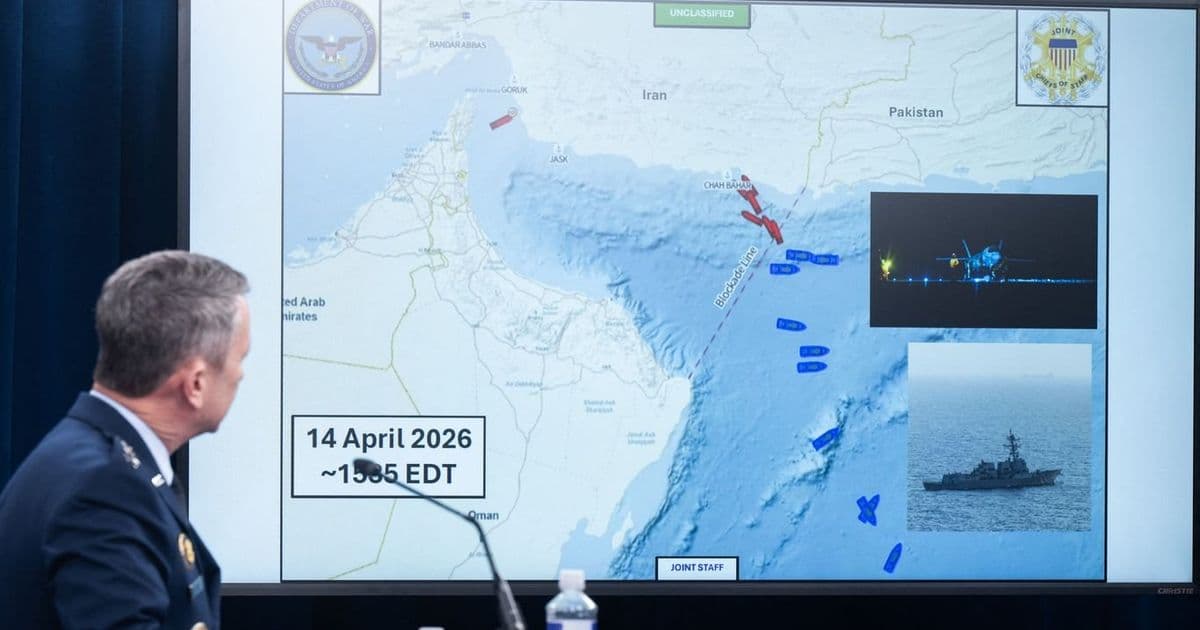
Iran has reportedly expanded its naval mining operations in the strategic Strait of Hormuz, a critical chokepoint for global oil supplies, raising concerns about potential disruptions to international shipping lanes and energy markets.
Iran has significantly expanded its naval mining operations in the Strait of Hormuz, according to multiple defense officials familiar with the latest intelligence assessments. The deployment adds a new layer of tension to an already volatile region that handles approximately 20% of global oil consumption daily.
The Strait of Hormuz, a narrow waterway between Iran and Oman, serves as the only sea passage for oil from major producers in the Middle East, including Saudi Arabia, Iraq, Kuwait, and the United Arab Emirates. Any disruption to this route could send shockwaves through global energy markets, potentially causing oil prices to spike and affecting supply chains worldwide.
Defense analysts estimate that Iran has positioned at least 2,000 naval mines along various approaches to the strait, a substantial increase from previous assessments. This capability represents a significant asymmetric threat that could challenge even the most advanced naval forces in the region.
The mining operations come amid heightened tensions between Iran and Western powers, particularly the United States. In recent months, there have been multiple incidents involving commercial vessels in the region, including alleged sabotage operations and temporary seizures that have raised concerns about Iran's intentions.
From a market perspective, the increased mining capabilities pose direct risks to global energy security. The International Energy Agency estimates that approximately 21 million barrels of oil pass through the strait each day, valued at roughly $1.7 billion at current price levels. Any prolonged disruption could trigger significant market volatility.
Energy sector analysts note that insurance costs for vessels transiting the strait have already begun to rise, with some shipping companies rerouting vessels around Africa's Cape of Good Hope—an alternative route that adds approximately 15-20 days to journey times and significantly increases transportation costs.
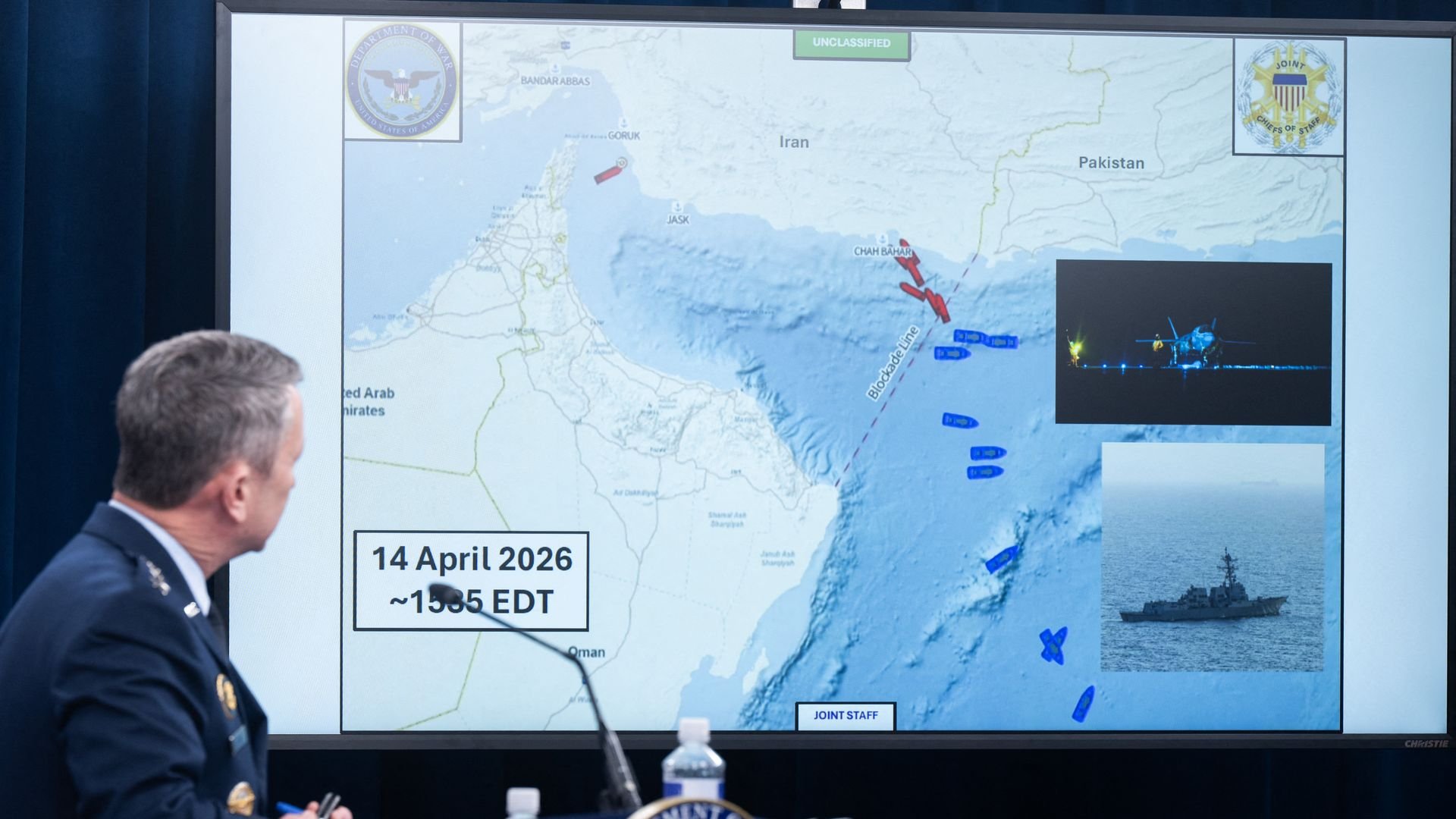
The U.S. military has responded by increasing its naval presence in the region. The Pentagon recently announced the deployment of additional naval assets to the area, including advanced mine countermeasures capabilities. However, military experts acknowledge that clearing naval mines in a confined waterway like the Strait of Hormuz would be an extremely challenging operation, potentially taking weeks or even months.
From a geopolitical standpoint, Iran's enhanced mining capabilities represent a strategic deterrent against potential military action. By threatening to close the strait, Iran aims to deter any attacks on its nuclear program or other strategic assets. This "chokepoint strategy" has been part of Iran's defense doctrine for over a decade, but recent deployments suggest a more sophisticated and extensive implementation.
The economic implications extend beyond oil markets. The strait also handles significant volumes of liquefied natural gas, containerized cargo, and other commercial goods. A disruption could affect global supply chains, particularly for industries reliant on just-in-time delivery models.
Energy industry executives are increasingly concerned about the potential for a "black swan" event in the region. Major oil companies have begun contingency planning, including evaluating alternative supply routes and stockpiling additional reserves. Some multinational corporations are also reassessing their long-term investment strategies in the region, considering the heightened operational risks.
The international community has called for de-escalation, with the United Nations and regional powers urging restraint. However, diplomatic efforts have thus far failed to reduce tensions, and the situation remains precarious.
Looking ahead, energy markets will likely remain sensitive to any developments in the region. The combination of Iran's enhanced capabilities, ongoing geopolitical tensions, and the strategic importance of the waterway suggests that the strait will continue to be a focal point for global energy security concerns.
Comments
Please log in or register to join the discussion