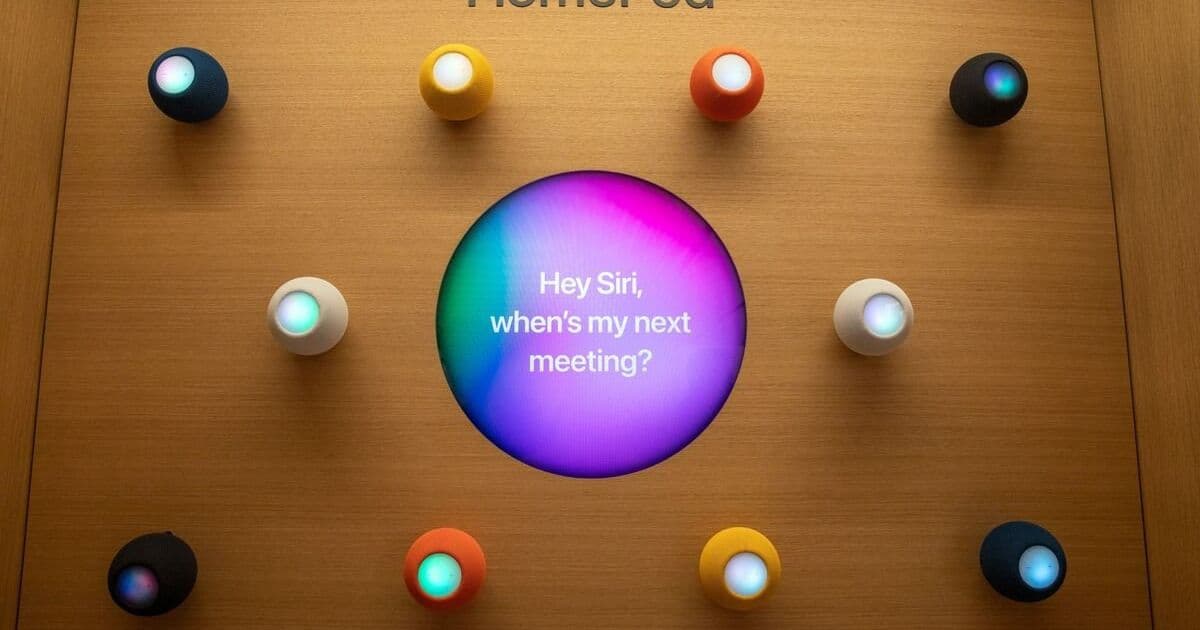
Apple has pushed back its planned smart home display release from this month to later this year to complete work on its next-generation Siri assistant, according to Bloomberg's Mark Gurman.
Apple Inc. has delayed the launch of its highly anticipated smart home display, originally scheduled for release this month, until later this year as the company redirects resources to complete development of its next-generation Siri assistant, according to Bloomberg's Mark Gurman.
The delay highlights Apple's ongoing challenges in artificial intelligence development, particularly with Siri, which has lagged behind competitors like Amazon's Alexa and Google Assistant in capabilities and user adoption. The smart home display, which was expected to serve as a central hub for Apple's HomeKit ecosystem, will now miss its initial spring launch window.
Strategic Shift in Product Development
The decision to postpone the smart home display underscores Apple's prioritization of AI capabilities over new hardware categories. Sources familiar with the matter indicate that Apple engineers are working to integrate more advanced natural language processing and contextual understanding into Siri, features that have been promised but not yet delivered to consumers.
This strategic pivot comes as Apple faces increasing pressure from investors and consumers to demonstrate meaningful progress in AI. The company's "Apple Intelligence" initiative, announced last year, has yet to produce the transformative user experiences that competitors have begun rolling out.
Market Context and Competition
The delay places Apple at a potential disadvantage in the rapidly growing smart home display market, where Amazon and Google have established strong footholds with their Echo Show and Nest Hub product lines. These competitors continue to iterate on their offerings with improved AI capabilities, better integration with smart home devices, and more competitive pricing.
Industry analysts note that Apple's approach differs from its typical product launch strategy, where hardware and software are typically ready for simultaneous release. The decision to delay hardware to perfect software suggests deeper challenges in Apple's AI development pipeline than previously understood.
Technical Challenges
Developing a truly intelligent voice assistant that can compete with the latest AI models from OpenAI, Google, and Anthropic requires significant computational resources and sophisticated machine learning infrastructure. Apple's commitment to privacy and on-device processing adds additional complexity to these development efforts.
The smart home display was expected to showcase Apple's AI capabilities through features like advanced home automation, natural language understanding for complex commands, and seamless integration with other Apple devices. However, these features now appear to be dependent on the completion of Siri's next-generation architecture.
Financial Implications
The delay could impact Apple's revenue projections for the smart home category, which analysts had expected to become a significant growth driver. The company's HomeKit ecosystem has grown steadily but remains smaller than competing platforms from Amazon and Google.
Apple's stock has faced pressure amid concerns about its AI strategy, with investors questioning whether the company can maintain its premium positioning without leading in artificial intelligence capabilities. The delay of the smart home display may further fuel these concerns in the short term.
Timeline and Expectations
While Apple has not provided a specific new release date for the smart home display, industry sources suggest a potential launch window in the fall, possibly coinciding with the annual iPhone event. This timing would allow Apple to potentially bundle the new device with other product announcements and software updates.
The company is expected to provide more details about its AI strategy at its Worldwide Developers Conference in June, where it may outline the roadmap for Siri's evolution and how it will integrate with future hardware products like the delayed smart home display.
Broader Industry Impact
The delay reflects broader challenges facing the tech industry in developing advanced AI systems that can deliver on the promise of truly intelligent assistants. Even companies with significant resources like Apple are finding that creating competitive AI capabilities requires more time and investment than initially anticipated.
As Apple works to catch up in the AI race, the delay of the smart home display serves as a reminder that even the world's most valuable company cannot rush the development of sophisticated artificial intelligence systems. The tech industry will be watching closely to see if Apple can deliver on its AI promises when the smart home display finally launches later this year.
Comments
Please log in or register to join the discussion