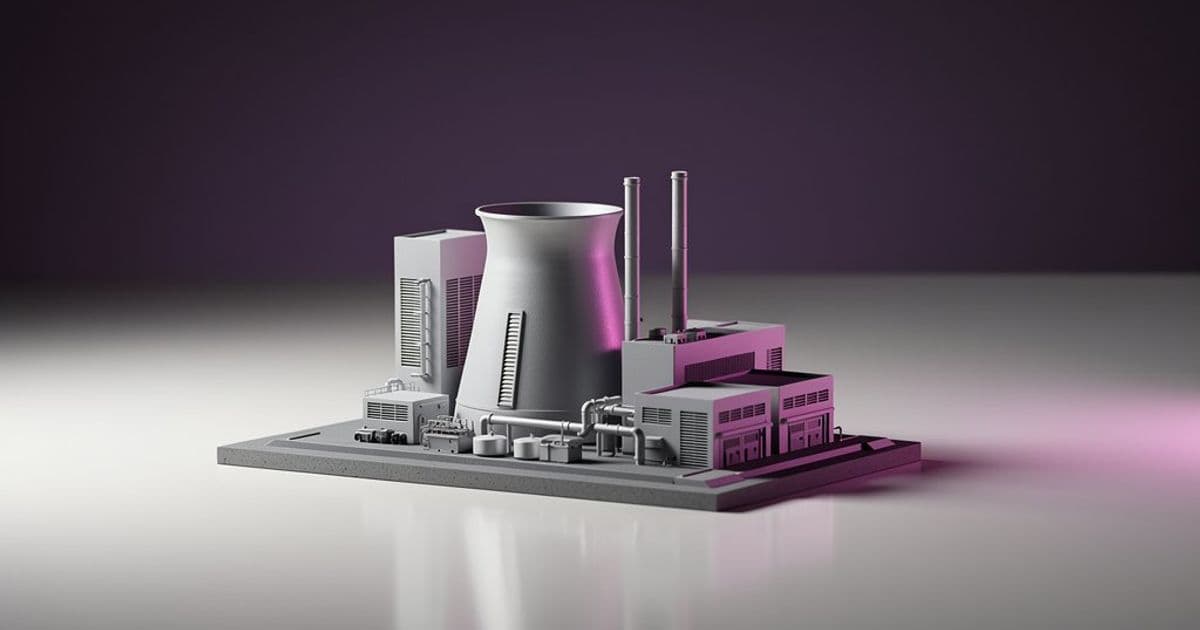
Chancellor Friedrich Merz publicly acknowledges that Germany's nuclear phase-out was a costly policy error, calling the country's energy transition the most expensive in the world and sparking renewed debate about the long-term consequences of the Energiewende.
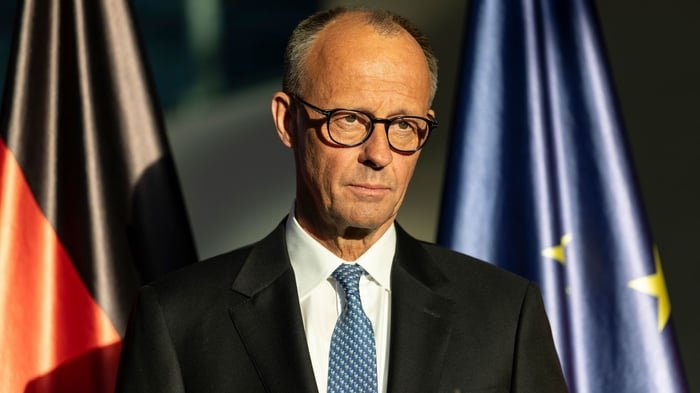
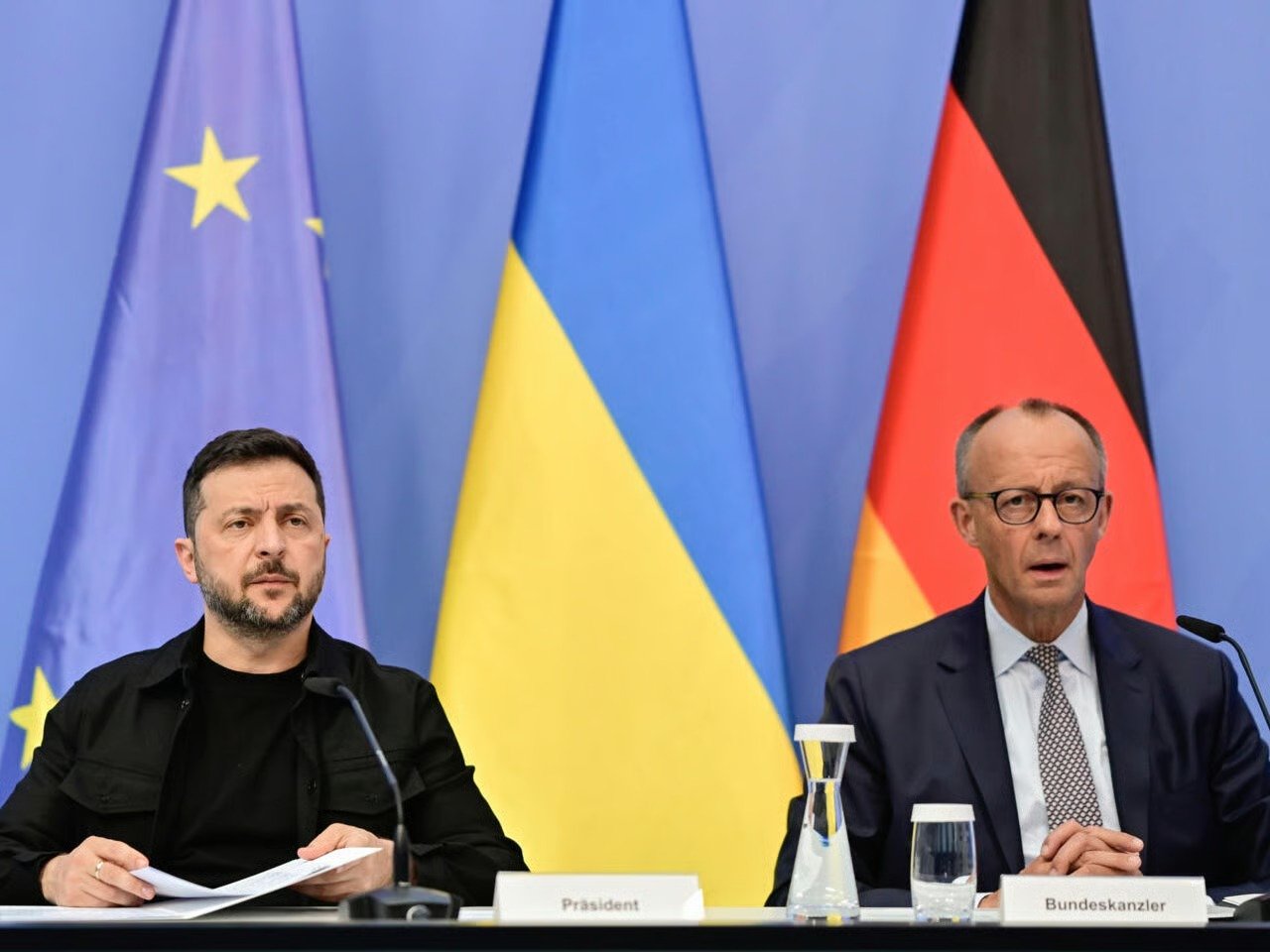
German Chancellor Friedrich Merz has publicly stated that Germany's decision to abandon nuclear energy was a "serious strategic mistake," marking a significant shift in the political narrative surrounding the country's energy transition. His comments, made in early 2026, directly challenge the long-standing policy consensus that has guided German energy strategy for over a decade.
The nuclear phase-out decision traces back to March 2011, when then-Chancellor Angela Merkel accelerated Germany's exit from nuclear power following the Fukushima disaster in Japan. The policy shift was framed as a necessary response to nuclear safety concerns, but it fundamentally altered Germany's energy mix. The country had been operating nuclear reactors since the 1960s, with nuclear power consistently contributing between 20-30% of total electricity generation. The final three operational reactors were taken offline in April 2023, ending Germany's nuclear power era after approximately 60 years of use.
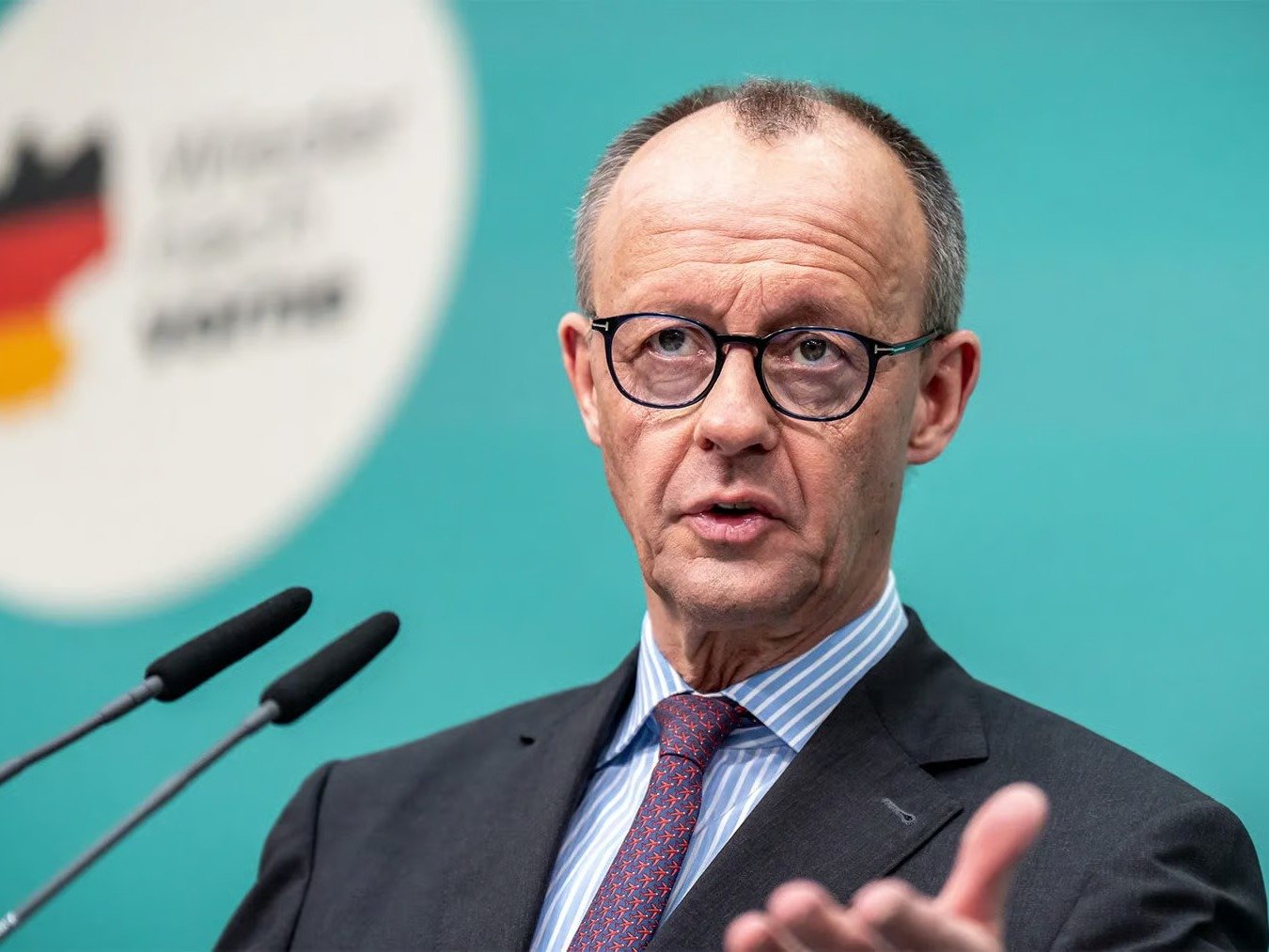
Merz's critique centers on the economic burden of this transition. He argues that Germany's Energiewende policy, which combines the nuclear phase-out with massive investment in renewable energy sources, has created "the most expensive energy transition in the entire world." This assessment reflects growing concerns among policymakers about the actual costs versus projected benefits of the policy framework.
The economic implications are substantial. Germany has invested hundreds of billions of euros in renewable energy infrastructure, including wind farms, solar installations, and grid modernization. The nuclear exit also required maintaining backup capacity and managing grid stability as intermittent renewables replaced baseload nuclear power. Electricity prices for German industrial consumers have remained among the highest in Europe, though this reflects multiple factors including renewable subsidies, grid fees, and taxes.
Energy security concerns have intensified following Russia's invasion of Ukraine. Germany's previous reliance on Russian natural gas for heating and industrial processes created vulnerabilities that became apparent when supplies were disrupted. The nuclear exit eliminated a domestic, carbon-free baseload power source, increasing dependence on imported natural gas and coal during periods of low renewable generation. This dependency has geopolitical implications, particularly as Germany seeks to diversify its energy sources.
The technical challenges of integrating high shares of variable renewable energy are significant. Germany's grid operators must manage increasingly complex balancing requirements as solar and wind generation fluctuate. The absence of nuclear baseload power means the system relies more heavily on flexible gas-fired plants, battery storage, and demand response mechanisms. These solutions add complexity and cost to the energy system.
Merz's comments have reignited debate about whether Germany should reconsider aspects of its nuclear stance. While reviving decommissioned reactors is widely considered impractical due to regulatory, technical, and political barriers, there is discussion about potential future roles for advanced nuclear technologies. Small modular reactors (SMRs) and next-generation designs promise improved safety and flexibility, though they remain in development stages and face significant regulatory hurdles.
The political context is important. Merz leads a center-right coalition that has been critical of aspects of the previous government's energy policy. His statement represents a more direct acknowledgment of policy shortcomings than previous administrations have offered. However, any significant policy reversal would face substantial opposition from environmental groups, renewable energy advocates, and public sentiment that remains broadly supportive of the nuclear phase-out.
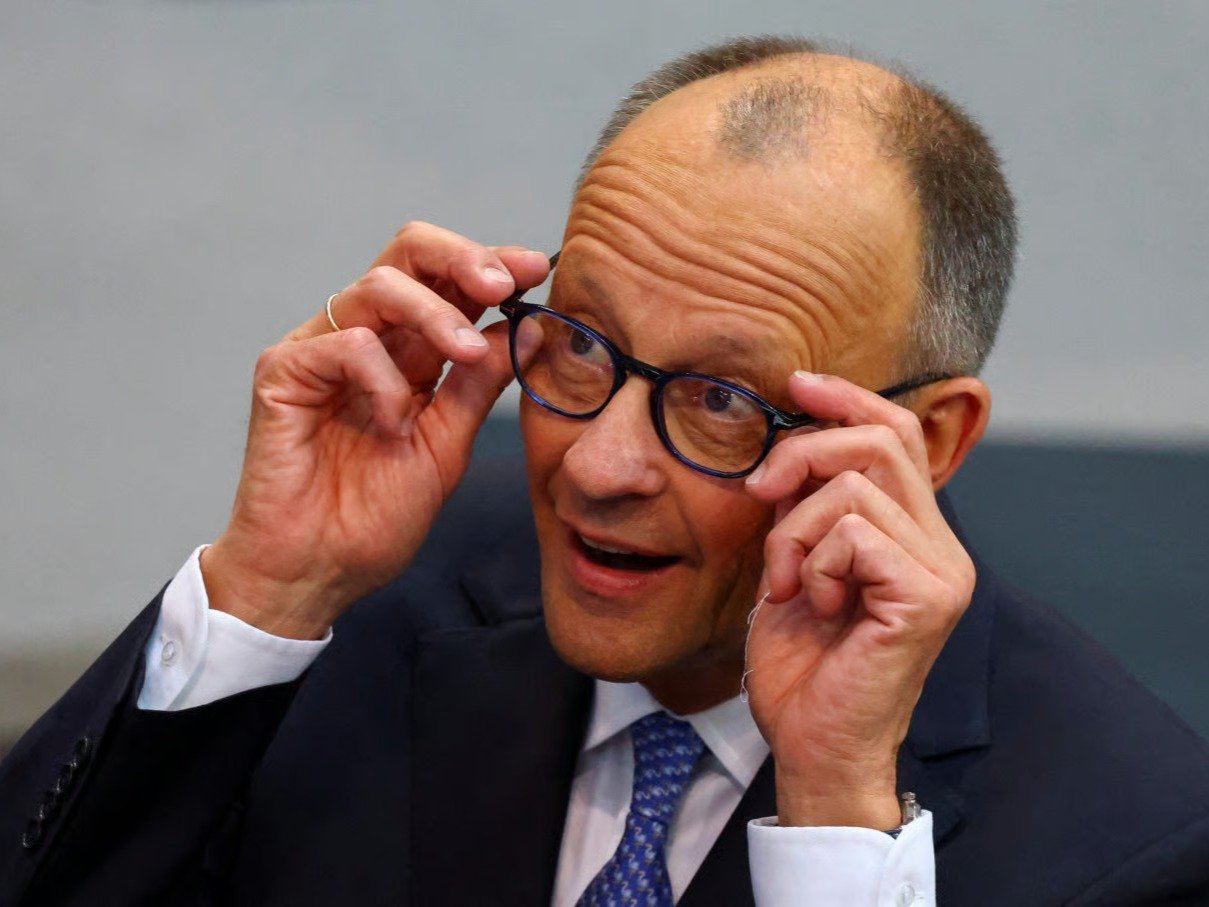
The debate extends beyond economics to fundamental questions about Germany's energy strategy. Proponents of the Energiewende argue that despite high costs, the policy has driven technological innovation, created jobs in renewable sectors, and positioned Germany as a leader in clean energy technology. Critics contend that the approach has been inefficient, with high costs delivering limited emissions reductions compared to alternative pathways that might have included continued nuclear operation alongside renewable expansion.
International comparisons provide context. France, for example, maintains a nuclear-dominated electricity system with lower emissions and more stable prices. The United States has a mixed approach with significant nuclear capacity alongside growing renewables. China is expanding both nuclear and renewable capacity rapidly. Each country's approach reflects different priorities, resources, and political contexts.
The technical realities of Germany's current energy system include:
Grid Stability: Managing frequency and voltage with high renewable penetration requires sophisticated control systems and interconnections with neighboring countries.
Storage Requirements: Seasonal and daily storage needs are substantial, with current battery technology providing limited duration storage at significant cost.
Transmission Infrastructure: New high-voltage lines are needed to transport wind power from the north to industrial centers in the south, facing local opposition and permitting delays.
Backup Capacity: Gas-fired plants remain essential for reliability, creating continued fossil fuel dependence despite renewable growth.
Merz's acknowledgment of strategic error doesn't necessarily imply immediate policy reversal. The nuclear infrastructure has been decommissioned, and regulatory frameworks have been established. However, it signals a potential shift in how Germany evaluates future energy investments and technology choices. The statement may influence upcoming energy policy reviews and budget allocations.
The broader implication is a reassessment of how countries balance multiple objectives in energy policy: climate goals, economic competitiveness, energy security, and public acceptance. Germany's experience offers lessons about the challenges of rapid energy system transformation and the importance of maintaining technology diversity during transitions.
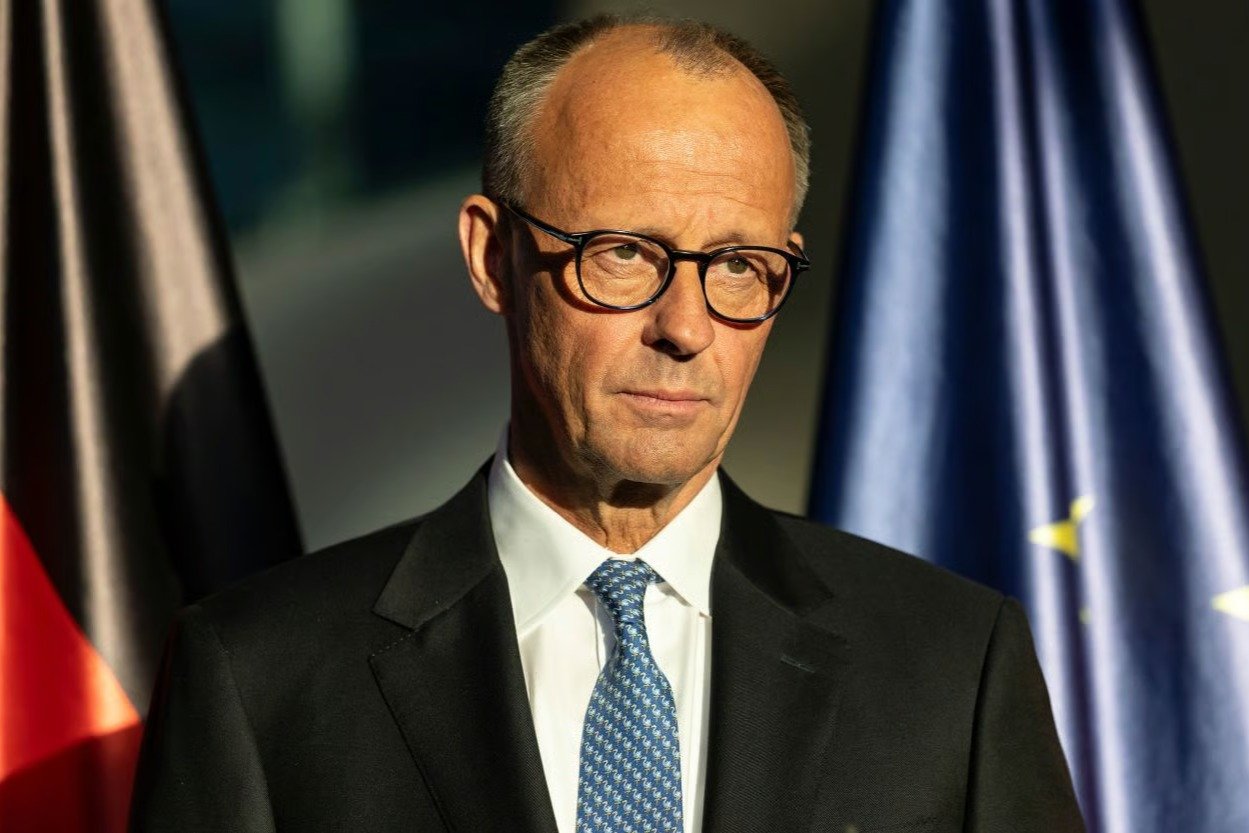
Looking ahead, Germany faces continued challenges in meeting its climate targets while managing energy costs and reliability. The debate sparked by Merz's comments may lead to more pragmatic approaches that consider all available technologies, including potential future nuclear options, rather than ruling out specific technologies based on past decisions. The outcome will depend on political developments, technological advances, and evolving energy market conditions.
The nuclear debate in Germany reflects a broader global reassessment of energy strategies as countries grapple with the practical challenges of decarbonization. While renewable energy costs have fallen dramatically, the integration challenges and system costs remain substantial. The German experience suggests that successful energy transitions require careful consideration of technology options, realistic cost assessments, and flexible policy frameworks that can adapt to new information and changing circumstances.
Comments
Please log in or register to join the discussion