
On its 25th anniversary, Wikipedia has grown from 4 pages to 65 million articles, but the platform faces unprecedented challenges from political attacks, AI scraping, and a declining volunteer base that threaten its long-term survival.
Wikipedia marks its 25th anniversary today, a milestone that underscores both its extraordinary growth and its precarious future. Launched on January 15, 2001, with just four pages, the free encyclopedia now hosts over 65 million articles across 300 languages, serving billions of monthly views. It has become the internet's de facto knowledge backbone, informing everything from daily searches and AI chatbots to journalism and academic research.
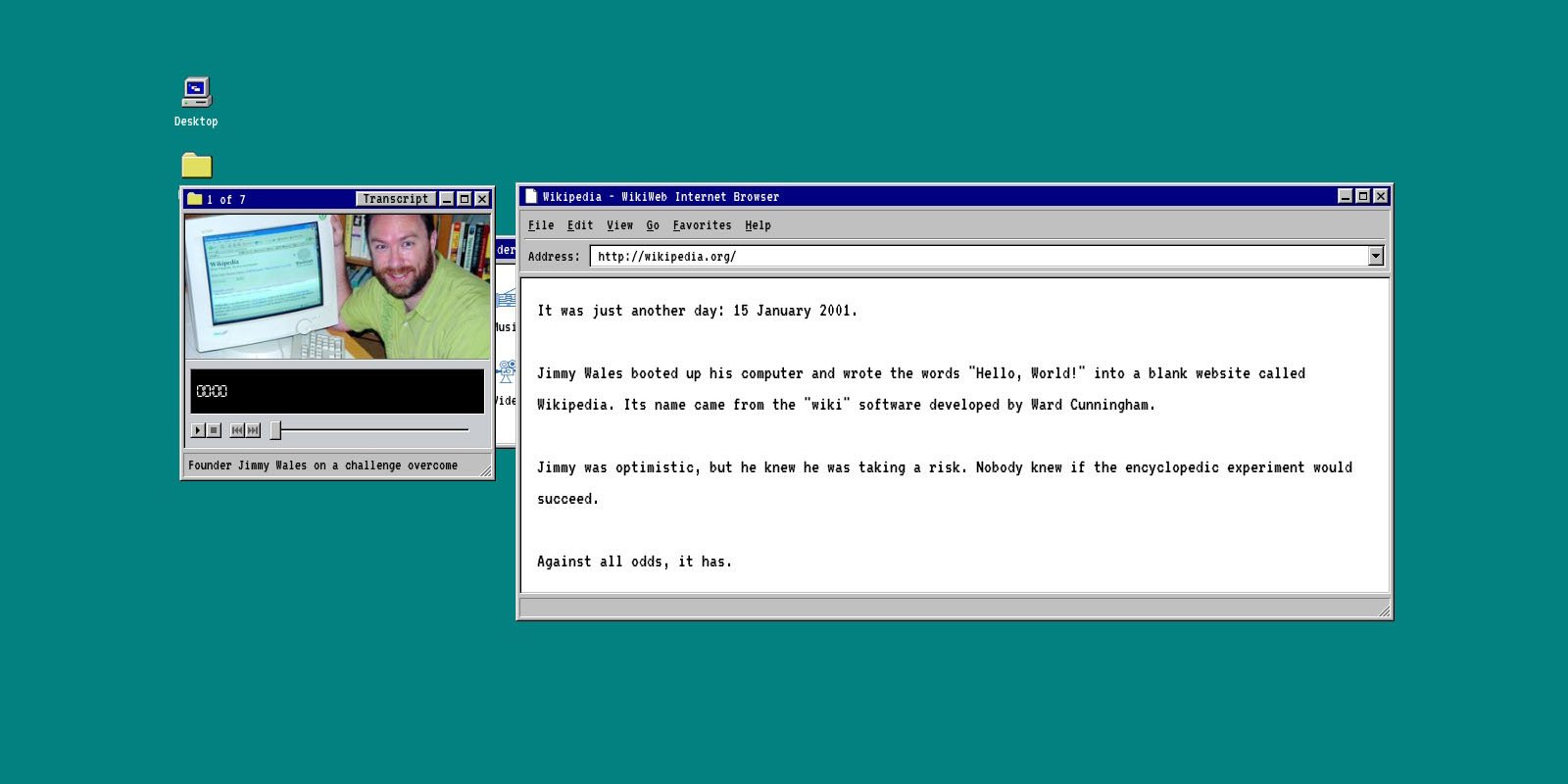
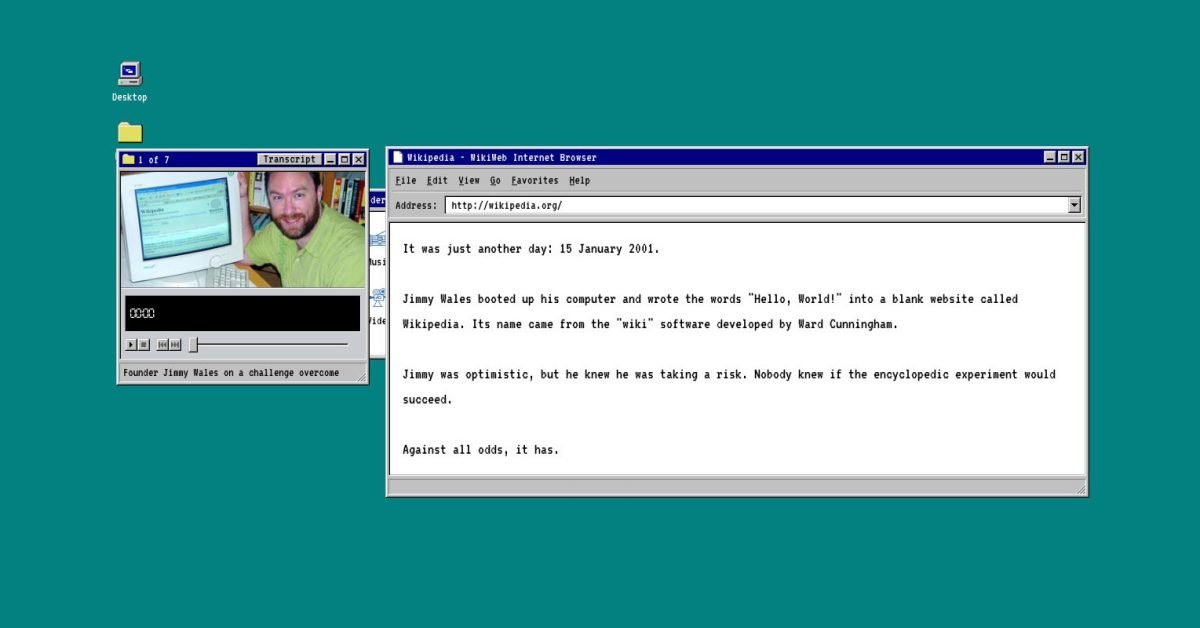
Yet this celebration comes amid growing concern about Wikipedia's sustainability. The Wikimedia Foundation has created a special microsite to mark the occasion, featuring a celebratory video, historical timeline, and merchandise. But beneath the festivities, the platform faces a convergence of threats that could reshape its future.
The Political Battleground
Wikipedia's commitment to neutrality has made it a target in an increasingly polarized information landscape. Conservative groups, including the Heritage Foundation, have accused the platform of liberal bias and threatened to "identify and target" volunteer editors. This political pressure represents a fundamental challenge to Wikipedia's core operating principle: that knowledge should be presented without ideological framing.
The Heritage Foundation's stance reflects a broader pattern where Wikipedia's editorial standards—requiring reliable sources, verifiable facts, and neutral point of view—are increasingly viewed through partisan lenses. What Wikipedia sees as rigorous sourcing, some political actors interpret as ideological gatekeeping. This tension is particularly acute for controversial topics where reliable sources themselves may be politically aligned.
The AI Scraping Problem
Perhaps the most immediate technical threat comes from artificial intelligence. Large language models and AI companies have been aggressively scraping Wikipedia's content to train their systems. While Wikipedia's content is licensed under Creative Commons, the sheer volume of requests from AI crawlers is straining the platform's infrastructure.
This isn't just a bandwidth issue. The Wikimedia Foundation has reported that AI-related traffic now accounts for a significant portion of their server costs, with little to no contribution back to the project. Unlike human visitors who might donate or volunteer, AI systems extract value without supporting the ecosystem that produces the data. The foundation has had to implement rate limiting and other technical measures to manage the load, which can inadvertently affect legitimate users.
The Graying of Wikipedia
Perhaps the most existential threat is the demographic crisis facing Wikipedia's volunteer community. The platform's core strength has always been its nearly 250,000 active volunteers who write, edit, and fact-check content. However, this community is aging, and younger internet users aren't joining at replacement rates.
Several factors contribute to this decline:
- Complexity of modern editing: Wikipedia's policies have grown more elaborate over 25 years, creating a steeper learning curve for new editors.
- Toxic editing environments: High-profile articles often become battlegrounds where editors face harassment, doxxing, and coordinated campaigns.
- Competing platforms: Social media and specialized forums offer more immediate gratification for knowledge sharing.
- Time constraints: Modern life leaves less volunteer time for the meticulous work Wikipedia requires.
The Wikimedia Foundation has attempted to address this through initiatives like the Wikipedia Education Program and simplified editing interfaces, but the trend remains concerning.
The Cultural Drift
Beyond specific threats, there's a broader concern about whether Wikipedia's founding ideals can survive in today's internet culture. The project was born in an era of optimistic collaboration, where volunteers worked for the public benefit. Today's internet is dominated by commercial platforms, algorithmic amplification, and information warfare.
Wikipedia's non-commercial model and volunteer-driven ethos seem increasingly out of step with a digital economy built on data extraction and attention monetization. The very concept of contributing to a public good without direct personal gain feels foreign to many who grew up with influencer culture and gig economy platforms.
Technical Infrastructure Challenges
From a technical perspective, Wikipedia's infrastructure has evolved significantly but faces new pressures. The platform runs on MediaWiki, the open-source software that powers it, and is hosted on Wikimedia's own servers. However, the demands of modern web traffic—especially from AI systems—require constant scaling.
The foundation has invested in CDN improvements and database optimization, but these are reactive measures. The fundamental challenge is that Wikipedia's architecture was designed for human browsing patterns, not the automated, high-volume scraping that characterizes much of today's web traffic.
What This Means for Developers
For mobile developers and cross-platform engineers, Wikipedia's challenges highlight broader trends in digital infrastructure:
- API rate limiting becomes critical: As automated traffic increases, platforms must implement sophisticated rate limiting that distinguishes between legitimate users and bots.
- Open-source sustainability: Wikipedia's reliance on volunteer developers for MediaWiki maintenance reflects a common challenge in open-source projects that power critical infrastructure.
- Cross-platform consistency: Wikipedia's mobile apps (iOS, Android) must balance feature parity with the desktop experience while managing the same infrastructure constraints.
The Path Forward
Wikipedia's survival isn't guaranteed, but neither is it doomed. The platform has survived previous crises, including vandalism, spam, and early funding shortages. Its 25-year history demonstrates remarkable resilience.
However, the current threats are qualitatively different. They attack not just the technical or financial foundations, but the cultural and philosophical ones. The question isn't whether Wikipedia can continue to exist technically, but whether the collaborative, non-commercial model can thrive in an internet increasingly dominated by commercial and political interests.
The Wikimedia Foundation's recent initiatives—including the Wikipedia+ experiment and partnerships with educational institutions—suggest an awareness of these challenges. But the fundamental question remains: can Wikipedia maintain its mission when the internet itself seems to be moving in the opposite direction?
For those of us who rely on Wikipedia daily—for fact-checking, research, or simple curiosity—its 25th anniversary is a moment to reflect on what we stand to lose if this unique experiment in collaborative knowledge fails. The platform's future, as the original article notes, is ultimately up to us.
Comments
Please log in or register to join the discussion